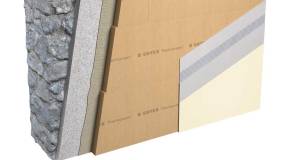
The Irish government hopes that a grant programme to subsidise the energy upgrading of existing dwellings, the Home Energy Saving scheme, will help provide the stimulus for substantial employment in the construction industry once it moves beyond pilot phase early in the new year.
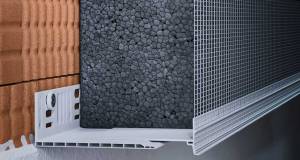
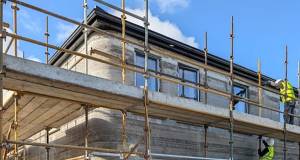
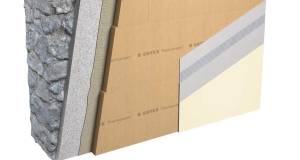
The Construction Industry Federation has recently estimated that in excess of 900,000 homes built priot to the 1990 Building Control Act should be targeted for energy refurbishment measures such as insulating walls and attics, draught-proofing and boiler replacement.
Estimates on the cost of providing the energy upgrade work vary enormously, and depend, amongst other things, on how much of an improvement is sought, and on the type of dwelling in question. For instance, whilst a few thousand euro may go some distance in terms of attic and wall insulation in particular house types, others may prove much more challenging.
Surely, at a time when economic activity is paramount, as much emphasis as possible should be on making substantial improvements, even if capital costs increase more. Is it not much more economically useful in the current context to invest more money in future-proofing a home - and thereby reducing not only ongoing dependency on imported energy, but also preventing the need for further upgrade work down the line? As the cliché goes, if a job's worth doing, it's worth doing well.