

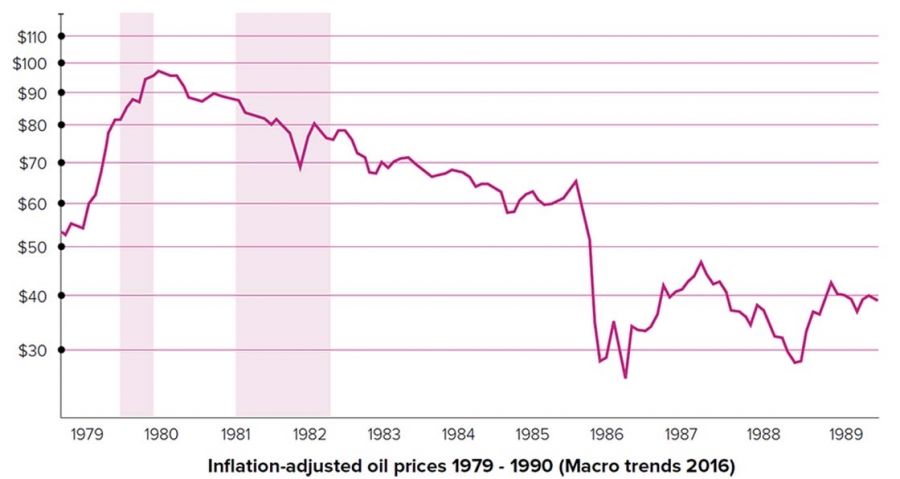
Innovations in low energy building were spurred in the 20th century by oil crises, but the political impetus for meaningful change receded once the crises ended, explains Dr Marc Ó Riain, bringing an attendant failure to set meaningful building regulations.
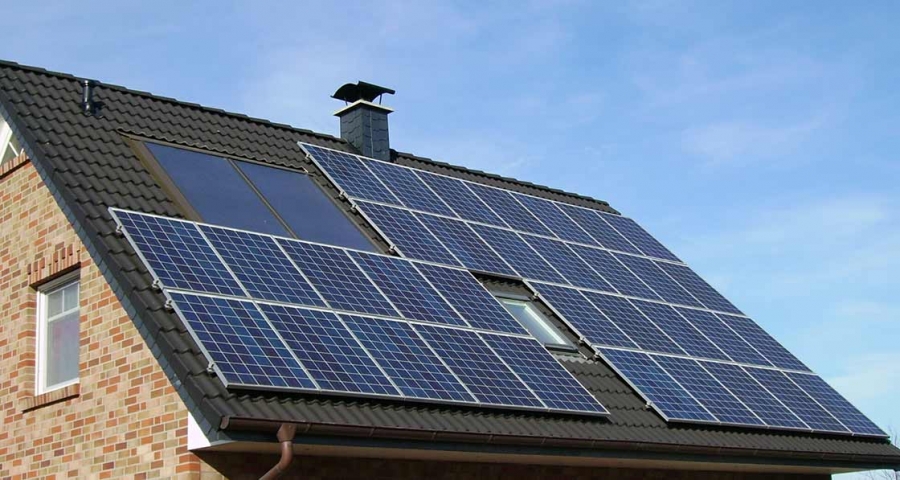
The penny is starting to drop that profound energy saving efforts in buildings – right up to zero emissions levels – are both necessary and urgent if the UK is to honour its climate change targets. So what’s holding up meaningful action, asks Peter Rickaby?
Why construction contracts must change in light of Grenfell
Written by Michael McCarthy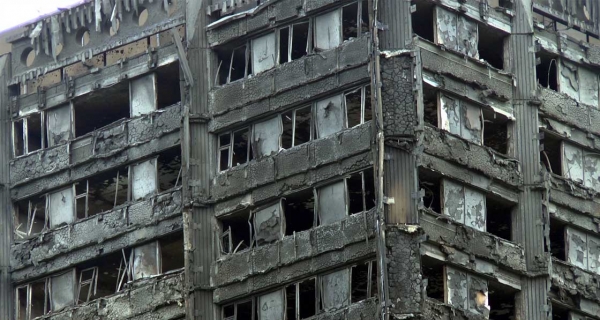
Design-and-build contracts have become increasingly common in construction, a trend that must be reversed in light of the Grenfell Tower fire if we are to deliver safe and high quality buildings, says quantity surveyor Michael McCarthy.
England, Scotland & Wales will fail to meet ‘nZEB’
Written by Kate de Selincourt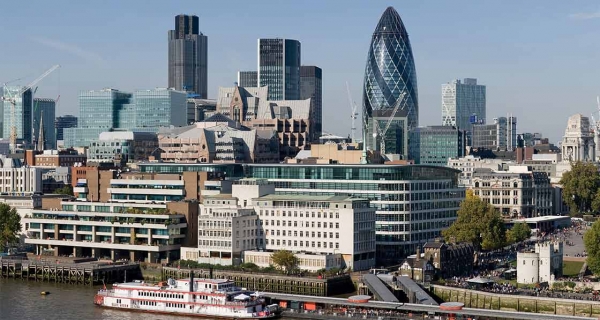
London encouraged to adopt its own building energy standard.
How to make Irish housing genuinely affordable...
Written by Mel Reynolds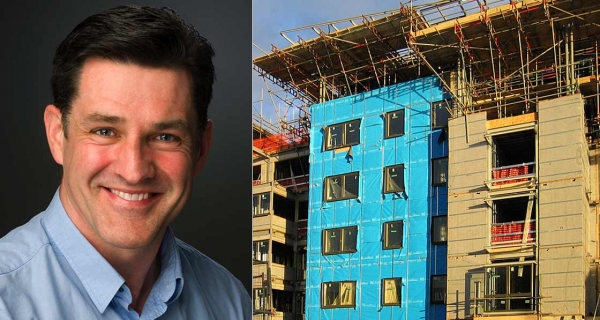
The private speculative sector can’t build affordable housing, but there are other ways of achieving this, writes architect Mel Reynolds.
Government ‘Help to hoard' scheme - why we’re not building homes
Written by Mel Reynolds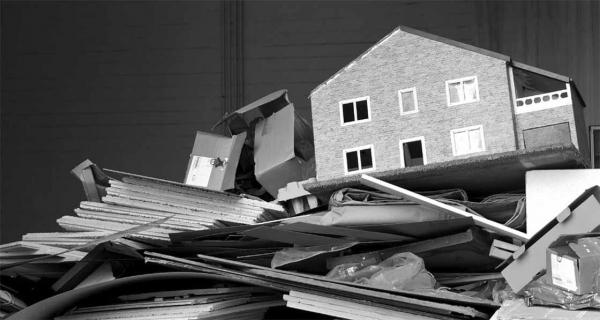
With Ireland’s housing crisis continuing to escalate, government policies may be further exacerbating the problem, argues Mel Reynolds.
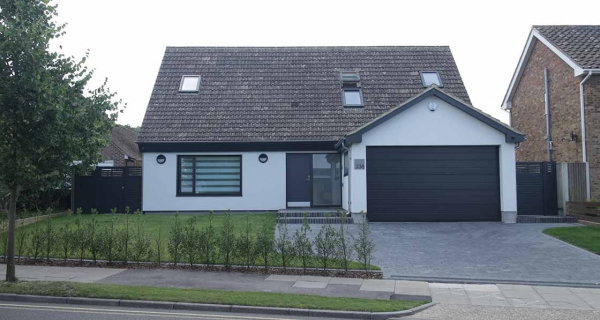
In the current policy vacuum, many questions have been raised about the future of sustainable construction. Despite this uncertainty, there is a steady growth of interest in the AECB Silver Standard, writes architect Mark Siddall.
Time to move beyond the architecture of the oil age
Written by Marc O'Riain
We must discard the architectural baggage of the 20th century to solve 21st century problems – argues our columnist Marc Ó Riain – and relearn some lessons from before the advent of oil.
Cutting-edge technology on display at ISH 2017
Written by Mark Shirley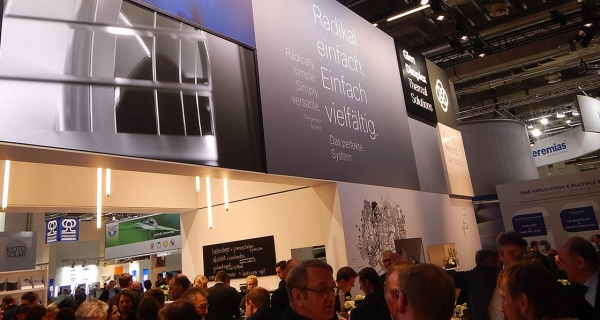
ISH, the world’s biggest showcase for bathroom design, heating, air-conditioning and renewable energy technology, took place last week in Frankfurt. Leading energy consultant Mark Shirley of 2eva.ie went along to see what was on offer.
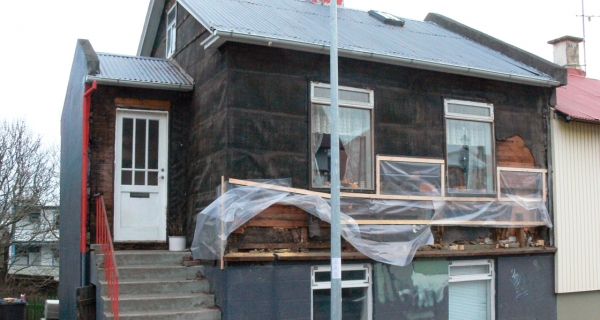
We all do, argues Dr Peter Rickaby, but the goal of mass retrofitting our energy inefficient building stock is hampered by the fact that when it comes to most retrofits, we simply don’t know what we’re trying to achieve.
Can year-round internal air quality be achieved without fans?
Written by Simon McGuinness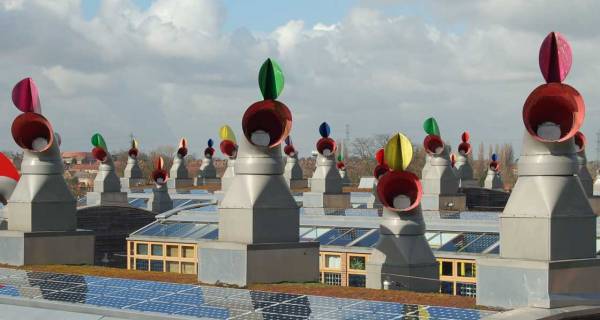
At first glance, designing out electrical fans from ventilation strategies may appear attractive, and even sustainable. Simon McGuinness offers some home truths.
Let’s move beyond the sustainable city oxymoron
Written by Peter Rickaby
A truly sustainable built environment hinges on a multiplicity of factors, not least including the context within which a building sits. Dr Peter Rickaby argues that a focus on cities may lead us in the wrong direction.
QualiBuild trains 200 construction workers in low energy building
Written by Devyn Olson-Sawyer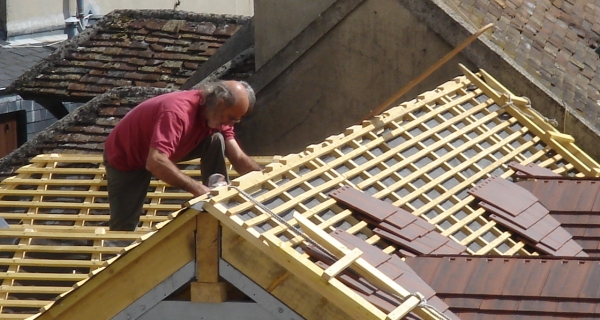
In this blog post, Devyn Olsen-Sawyer of the Irish Green Building Council reviews Ireland's recently complete QualiBuild programme, which upskilled Irish construction workers in low energy building techniques.
Are social housing retrofit efforts failed by finance models?
Written by Peter Rickaby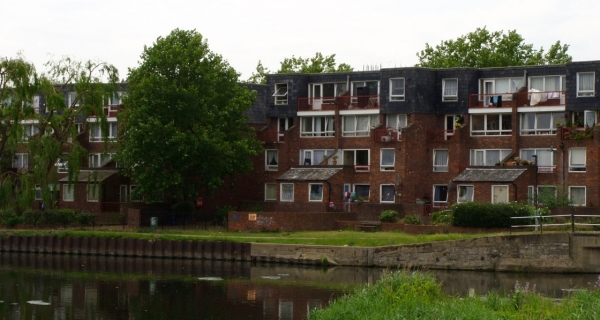
Roughly 50,000 excess winter deaths occur annually between the UK and Ireland, with fuel poverty a primary cause. Yet although concerted social housing retrofit efforts could help tackle climate change while preventing thousands of senseless deaths of vulnerable people, flawed financial modelling is letting us down, argues Peter Rickaby.
ProAir Systems: From humble beginnings to passive house certification
David McHugh
In this blog post, David McHugh of Irish heat recovery ventilation manufacturer ProAir recalls the story of the company, from its foundation in his spare bedroom right up to its recent passive house certification
Look after the health of your building by making it airtight
Written by Helen Brown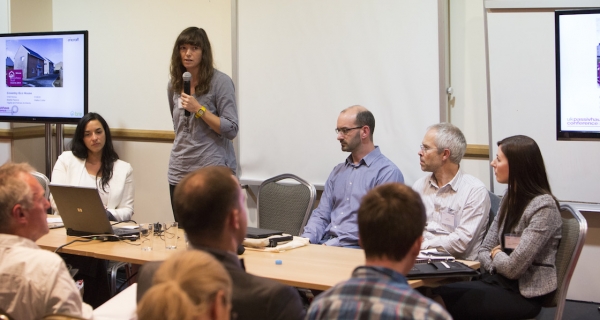
The primary reason for requiring airtightness in buildings has nothing to do with energy efficiency or occupant comfort, writes Helen Brown, head of building physics at Encraft — it's for the protection of the building fabric.
A low energy, ecological approach to wastewater treatment
Féidhlim Harty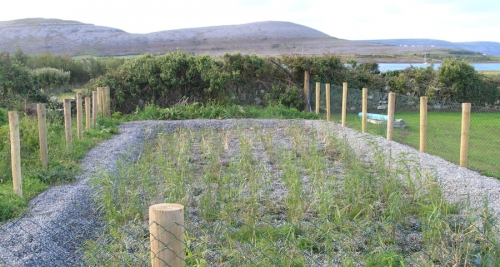
In this blog post, Féidhlim Harty of FH Wetland Systems, looks at the passive and eco-friendly home sewage treatments options for those building low energy and sustainable homes
Striking London building catches the eye as well as the sun
Written by Lenny Antonelli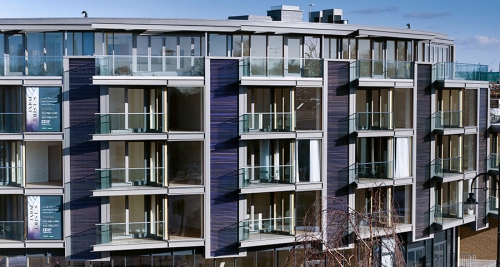
One building in Central London is using solar thermal tubes not just to generate renewable energy but also to create a remarkable and eye-catching facade.
The CIF object to passive house, but do they have a clue what it is?
Written by Jeff Colley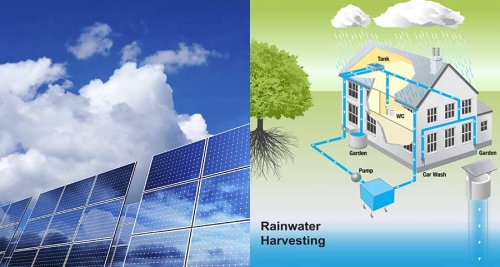
The head of the Construction Industry Federation has warned against local authorities mandating the passive house standard, while not appearing to understand what passive houses are. Interviewed on RTE 1's Today with Seán O'Rourke yesterday, Construction Industry Federation director general Tom Parlon mistakently claimed that passive houses require rainwater harvesting systems and solar photovoltaic systems "and a lot of different expensive extras".
Building industry objections to passive house are deeply flawed
Written by Lenny Antonelli
On Monday the Irish Times reported that both Nama and the Construction Industry Federation (CIF) had objected to plans by Dún Laoghaire Rathdown County Council to make the passive house house standard mandatory for all new buildings under the local authority’s latest development plan, which is due to come into force next year.