


Jeff Colley is the editor of Passive House Plus. He won the Green Leader award at the 2010 Green Awards for his advocacy work on the inclusion of energy ratings in property advertising, and a proposal to finance energy upgrades via utility bills.
He established Construct Ireland (for a sustainable future), Ireland's pioneering sustainable building magazine, in 2003. The magazine evolved into Passive House Plus in late 2012, the world's first English language magazine focused on passive house, as well as other aspects of sustainable building.
He is also a founder of Éasca, (the Environmental and Sustainable Construction Association) , an organisation set up to develop and promote a membership of approved companies offering genuinely sustainable solutions.
He writes a regular column for the Sunday Times, and has authored, co-authored and contributed to articles on sustainable building for numerous newspapers including the Irish Times, The Sunday Business Post, the Irish Examiner & the Sunday Tribune.
World's first passive house office tower certified
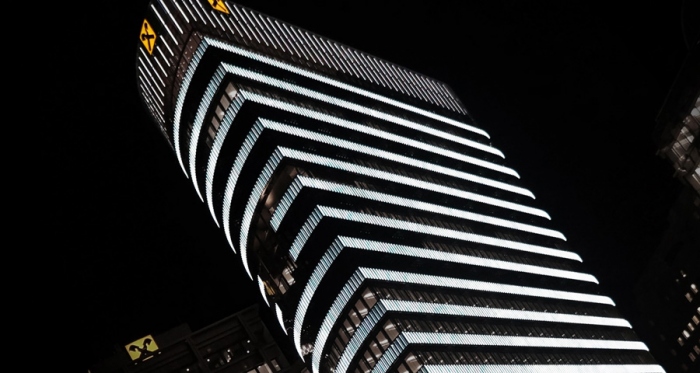
Tall buildings tend to be among the worst offenders in terms of energy and environmental profligacy – but one new Viennese project shows that high rise doesn’t have to mean high environmental impact.
Drawings of Architype's 150 house Kingstone passive house project, Herefordshire
PH+ UK advertisers receive sustainable building leads worth "hundreds of millions of pounds"
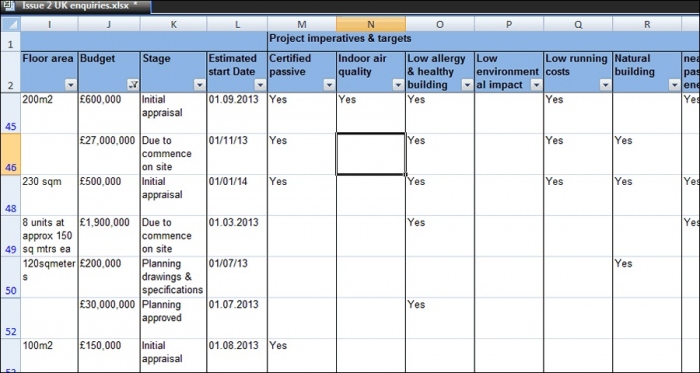
Designed to connect readers involved in sustainable building projects with advertisers offering sustainable solutions, the Passive House Plus enquiry system also provides a fascinating glimpse of sustainable building activity in the UK and Ireland. Editor Jeff Colley analyses the stats from the latest UK enquiries.
Main content of first UK edition of Passive House Plus revealed

With the deadline fast approaching, the bulk of the editorial content for our inaugural UK edition has been confirmed. Curiosity getting the better of you? The following issue overview may make the anticipation unbearable…
Welcome to the new website for Passive House Plus
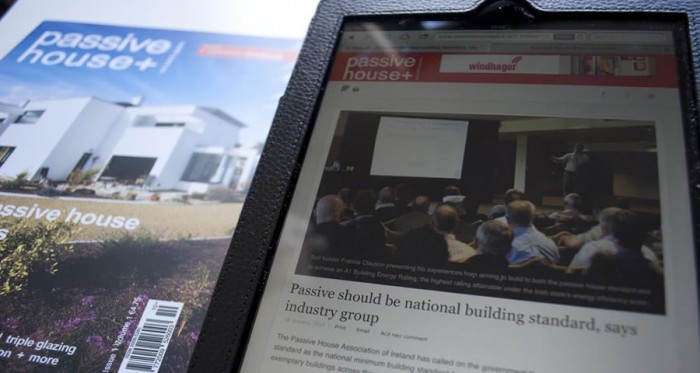
Welcome to the website of Passive House Plus, an award winning magazine about building and upgrading to the highest standards of energy efficiency, health, comfort and sustainability. At the time of writing the site has been published as a beta version, and can be viewed on PCs, laptops or tablets, with formatting for smart phones set to follow imminently.
Windy or cold weather: when does heating demand peak?
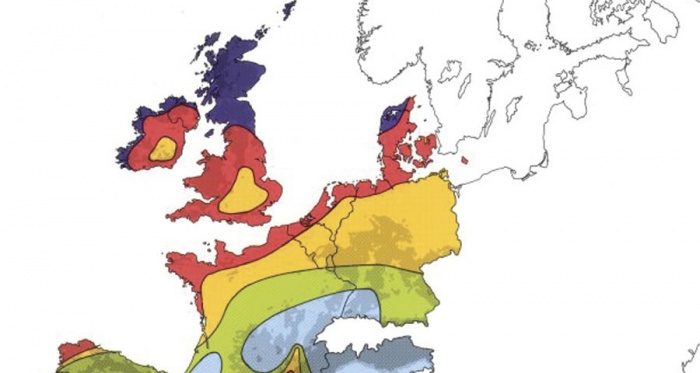
Do Irish buildings need the most heat when it's coldest, or when it's milder but windy? What consequences are there for how we build and heat them? And how airtight are Irish buildings anyway?
Certified passive nursing home extension breaks new ground
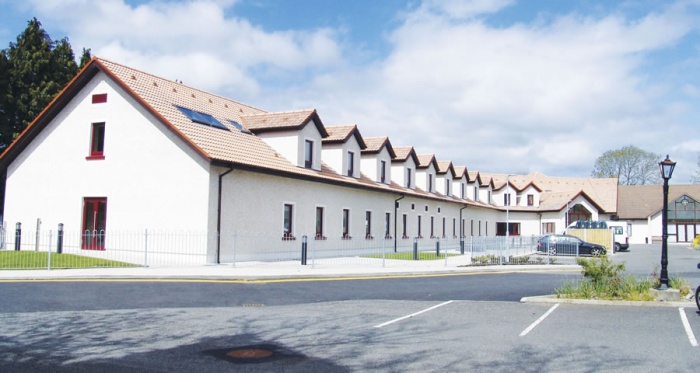
As Passive House Plus goes to press confirmation has come through that an extension to a nursing home in Celbridge, Co Kildare, has become the first healthcare building – and the first extension of any kind – to become certified passive.
Circulation & readership: our approach explained
Circulation and readership aren’t the same thing, though some people conflate them.
Circulation’s easy to measure – if you’re willing to subject your magazine to the scrutiny of independent auditing – but readership’s another matter. So let’s deal with circulation first.
HPA: it's official, heat pumps offer the lowest running costs
The Sustainable Energy Authority of Ireland (SEAI) has introduced estimated running costs for heat pumps into its monthly domestic fuel costs report.
The figures for July released by SEAI now include a section on electricity used by heat pumps, highlighting the difference in operating costs for heat pump technology over other fuels for the first time.
Why Construct Ireland is becoming Passive House Plus
We’ve just published the final issue of Construct Ireland. I say those words not with despondency but with excitement. Mercifully, we haven’t fallen victim to the decline of the construction industry, like so many other construction magazines. Nor are we suffering the fate anticipated for so many magazine titles, with collapses in sales, subscriptions and advertising revenue from print versions not being countered by sufficient income from websites or apps.