

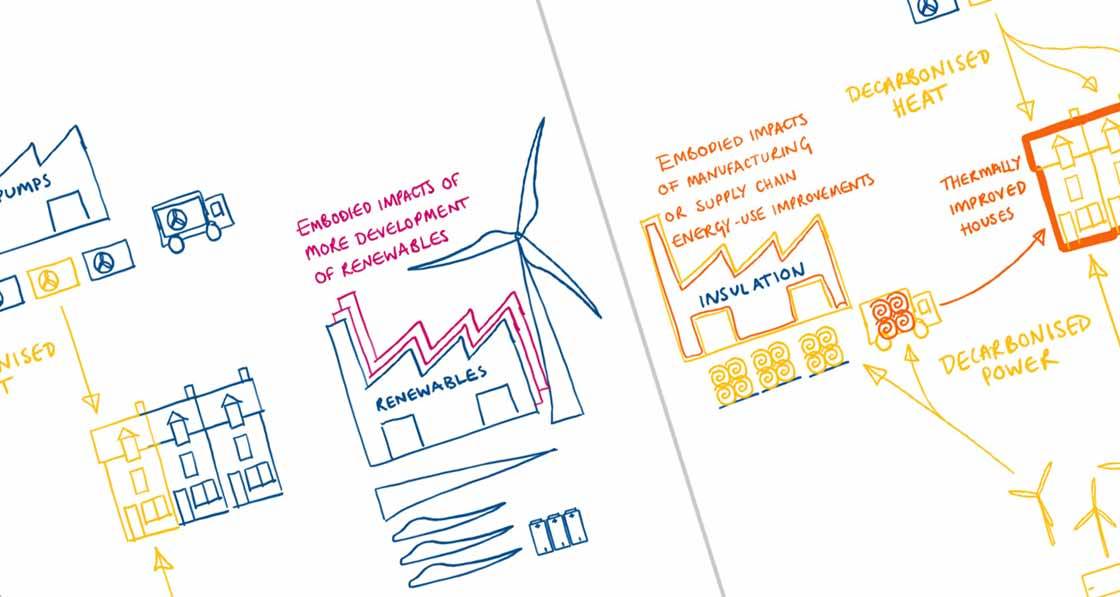
With an increasing emphasis on the electrification of heat as the electricity grid decarbonises, interest in reducing the embodied carbon of buildings is growing. But does a focus on embodied carbon alone risk giving needlessly energy intensive ways of making buildings a free pass? In the first of a new series of articles, Dr Lois Hurst journeys into understanding embodied and life cycle impacts in construction.
It’s a radical idea: that to negate the environmental damage of construction, we don’t just need to build sustainably, we need to build less. However, most architects and building designers earn a living by doing exactly the opposite: by building stuff. So how can the design practice be reinvented for a world in which we need to do more with much, much less?
As the world edges ever closer to the precipice of runaway climate change, some sustainability terms have moved from relative obscurity towards the mainstream of marketing and public discourse – and none more so than zero carbon. But is zero carbon construction a real prospect, or is it just wishful thinking?
Words by John Butler and Andy Simmonds
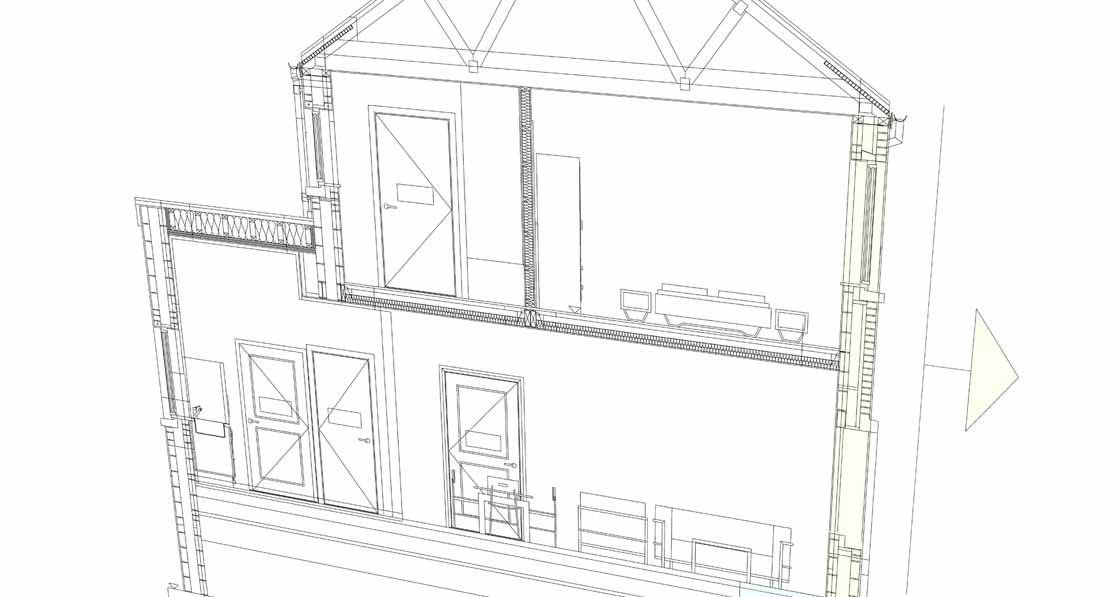
The climate emergency demands that we minimise the energy we use to operate buildings, as well as the energy we use to construct new buildings, where new buildings are needed. A Passive House Association of Ireland-commissioned analysis may start to shed some light on the embodied carbon impact that different build methods can have.
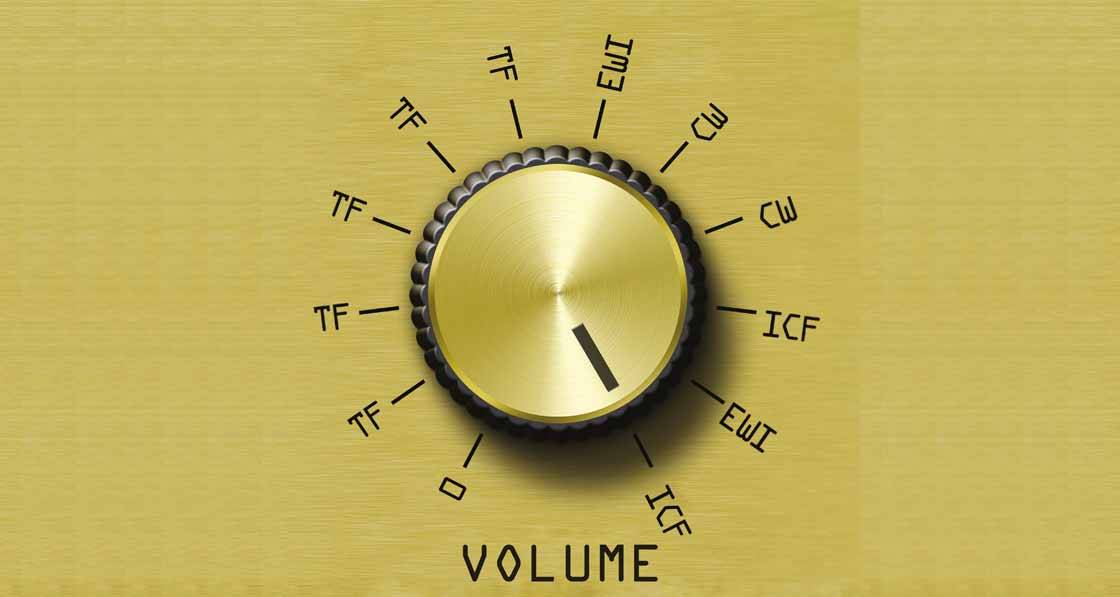
In issue 38 of Passive House Plus we published an in-depth assessment comparing the build specs including five wall types to a typical Irish house. To enable the industry to fairly compare a broader range of build options, we now expand that analysis with the addition of four timber frame wall types and two insulated concrete formwork systems
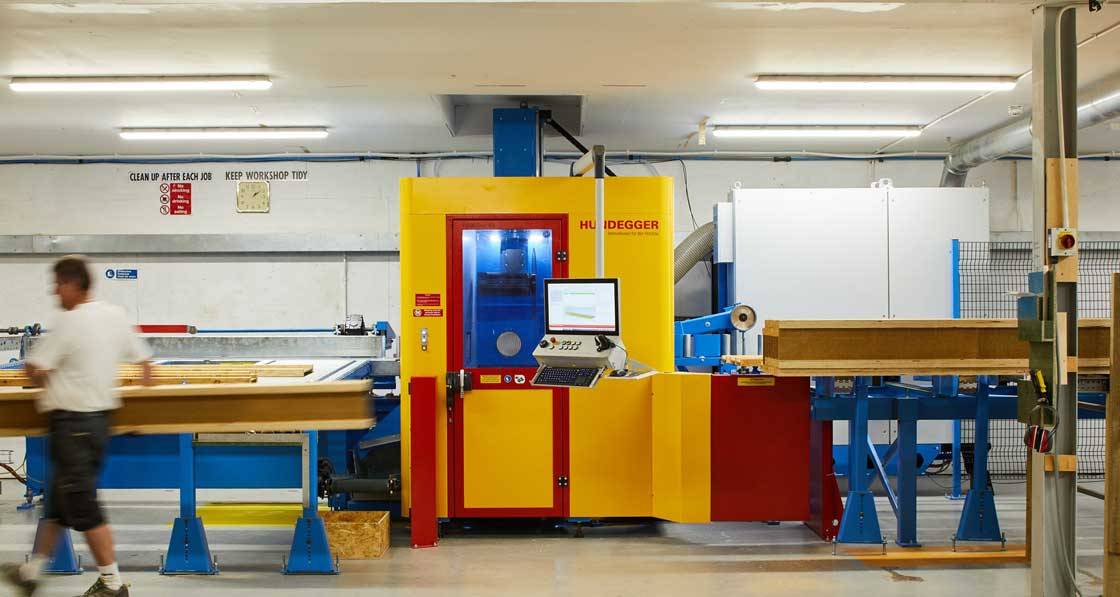
What do you get if you cross a quantum physicist, a forensic accountant, a merchant, an engineer and a software-whizz-kid architect? A terrible punchline presumably. But as Jeff Colley discovered on a trip to Sussex, you get something not to be laughed at: a collaborative approach that may be about to unlock a scalable, highly sustainable, circular economy-proof, flat pack build approach.
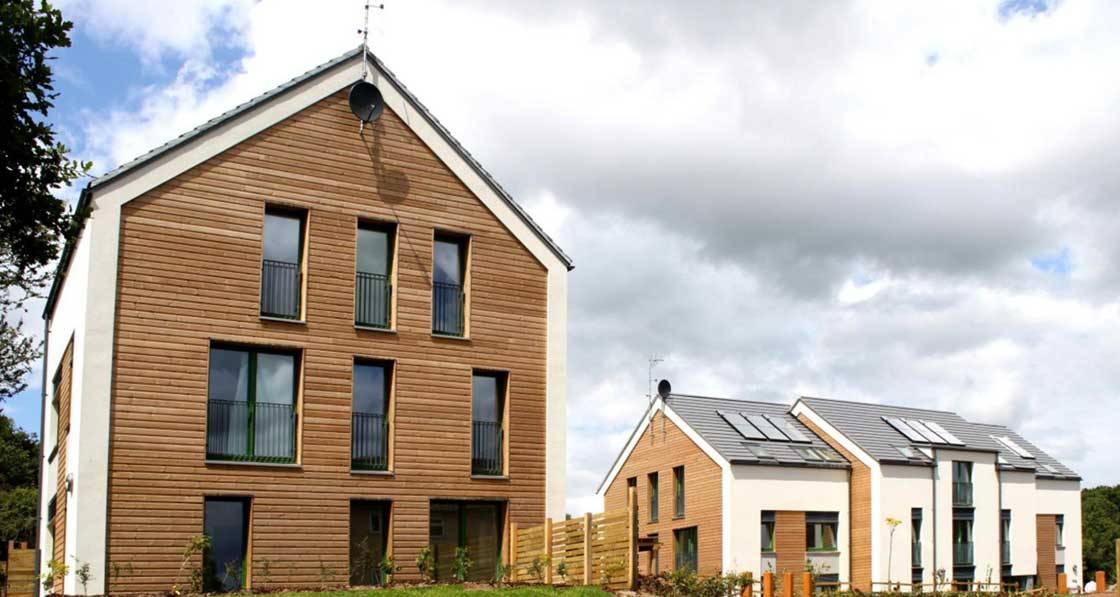
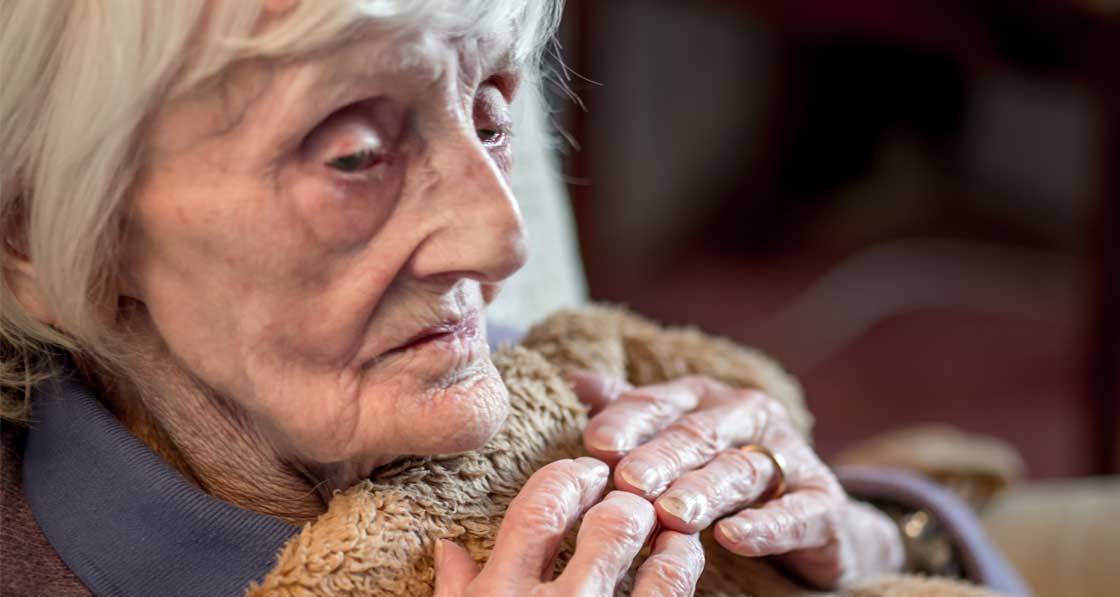
While most people will feel the squeeze as a consequence of the energy crisis, for vulnerable people spikes in energy prices may be a matter of life and death. In a two-part mini-series of articles in this issue, Kate de Selincourt peers into the void to see how vulnerable people may respond to high energy prices, and what the impact will be for their living conditions and their health.
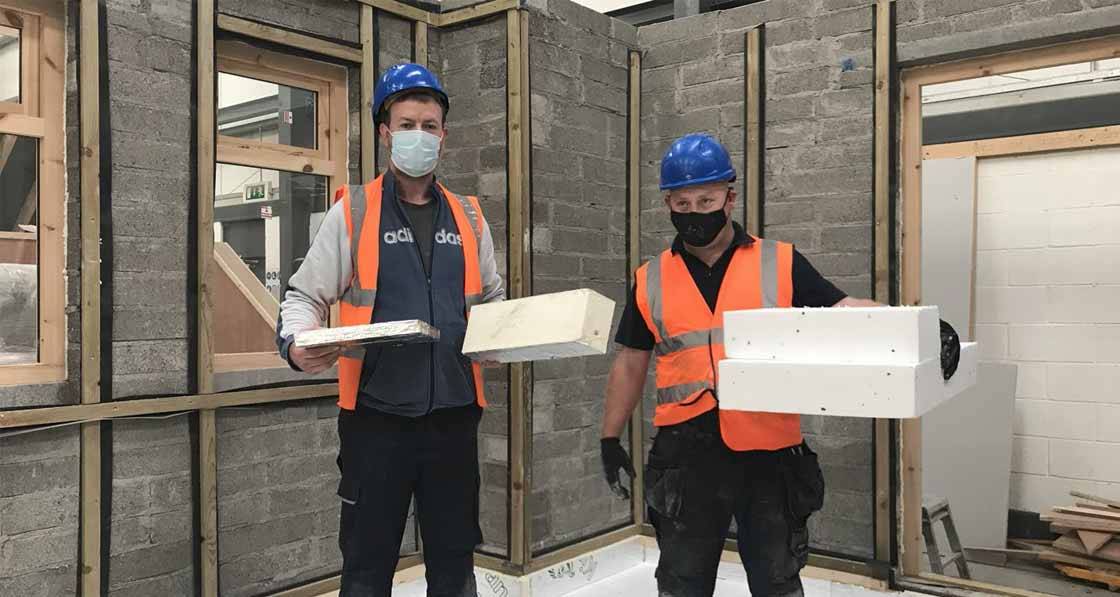
Following its commitment to retrofit one quarter of dwellings in the country by 2030, the Irish government has now announced the establishment of four new centres of excellence for retrofit training, building on the training approach developed to help the industry meet the NZEB standard for new buildings. Workers from state-owned company Bord na Móna are among the first to undergo training as the company transitions out of peat extraction.
Quantifying the greenness of construction products: the rise of environmental product declarations
Written by John Cradden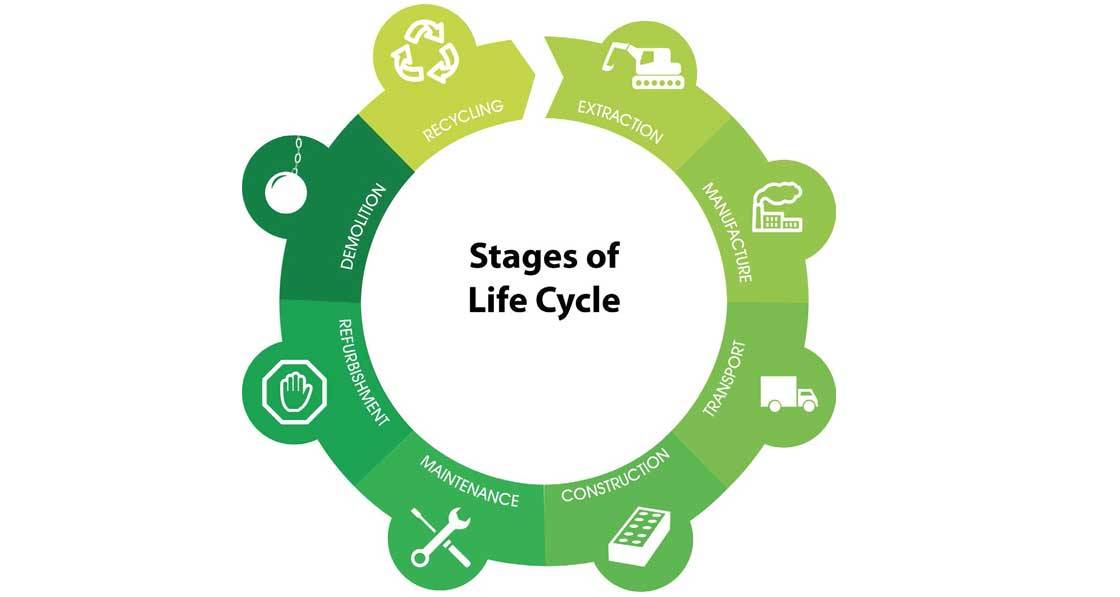
Climate breakdown and global ecological crises mean that our efforts to make buildings sustainable must go far beyond operational energy use – including number crunching and drastically reducing environmental impacts of building materials. John Cradden reports on progress in the uptake of the building blocks of life cycle analysis of buildings: Environmental Product Declarations.
Evidence base: How air source heat pumps fare in canny retrofits
Written by Jeff Colley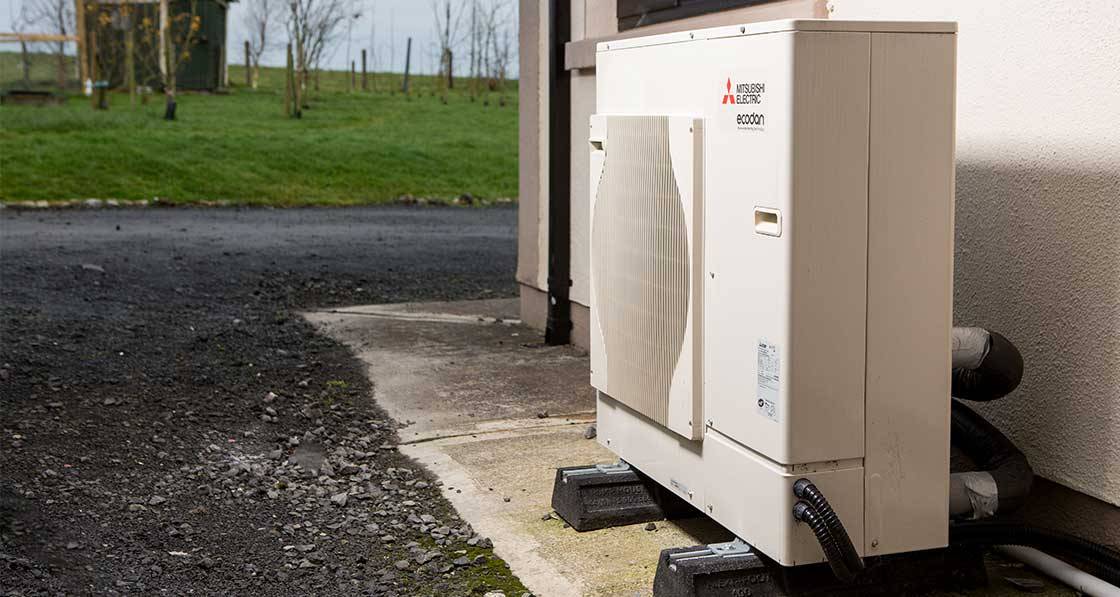
Air source heat pumps are rapidly becoming one of the dominant technologies in sustainable building, but how well do they perform in real world conditions? Can they be part of the solution to retrofitting homes, given the challenges in making existing homes suitable for low energy heating? A rare monitoring study on a pioneering retrofit scheme offers encouraging signs.
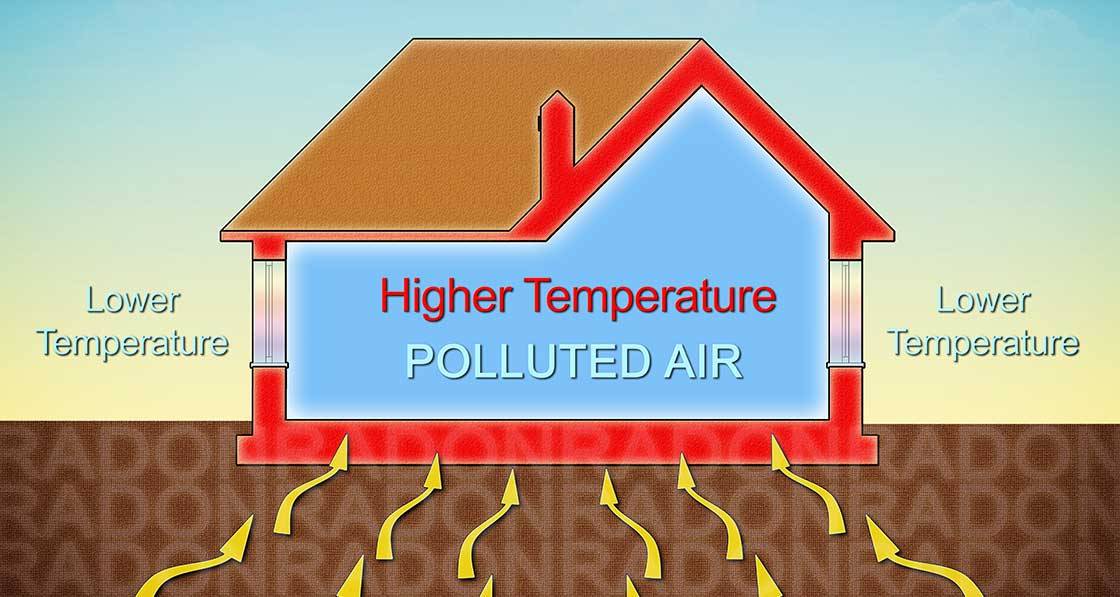
Radon is one of the most dangerous indoor air pollutants, yet there is little research on how it is affected by different forms of construction and ventilation. A new study, however, suggests that homes built to the passive house standard are significantly less at risk of radon build-up.
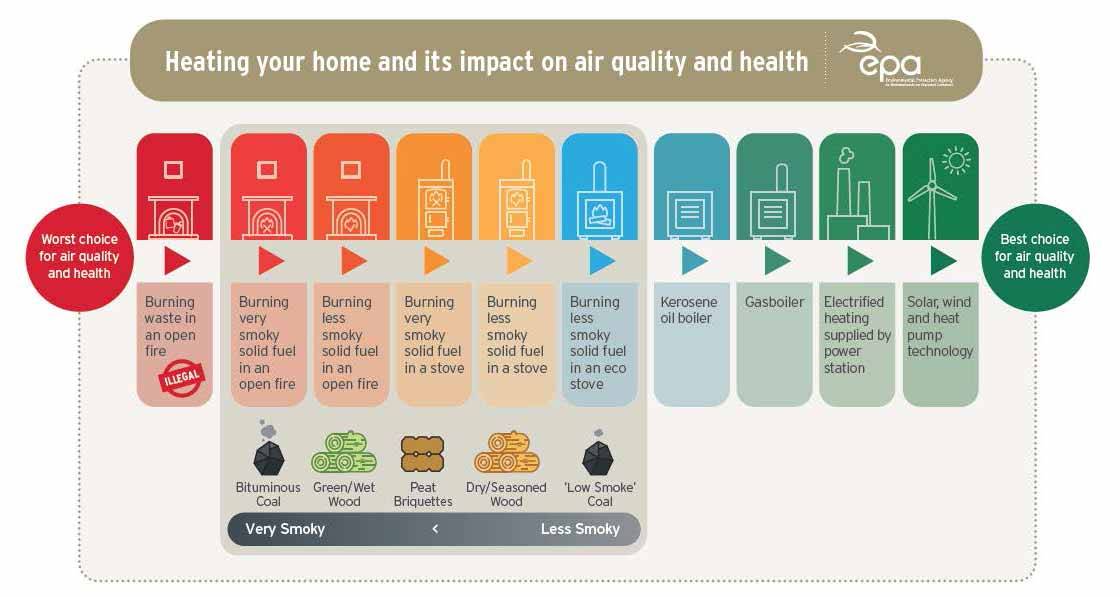
How we heat our homes has a direct impact on the quality of air that we breathe. This impacts on our health. The impact is both local and national. Burning solid fuel – in an open fireplace or stove – generates fine particle pollution which affects the air in our own home and in the local neighbourhood. There are choices and actions we can take that will reduce this pollution.
Dead air - airborne Covid 19 and poorly ventilated buildings
Written by Jeff Colley
In the early stages of the Covid-19 crisis, there was little official recognition that airborne transmission was a risk. Has that view changed, and what role will building ventilation play when winter approaches?

The UN’s Scott Foster says deep retrofit of our building stock, and a sustainable built environment, should be at the heart of our recovery from the Covid-19 pandemic.
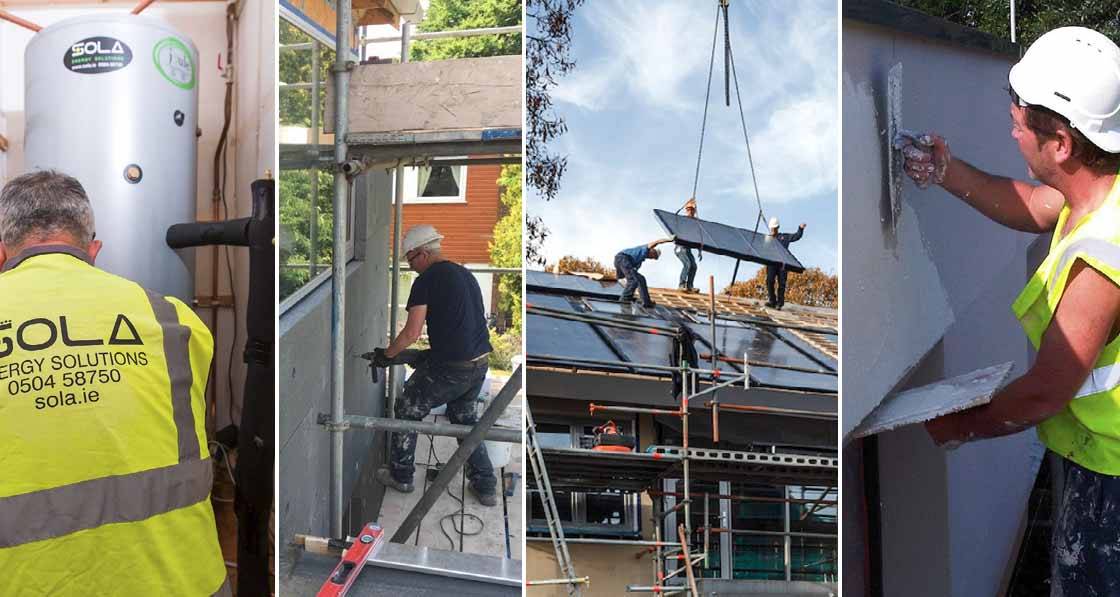
With governments across Europe looking for ways to jump start their economies following the early impact of Covid-19, attention is increasingly turning to deep retrofit. But while there is strong evidence that deep retrofit could play a major role, the devil will be in the detail – and the challenge of dramatically upscaling a nascent industry shouldn’t be underestimated.
Hell's kitchen - Why cooking can destroy indoor air quality
Written by John Hearne
When it comes to air pollution, we tend to worry most about things like traffic fumes and solid fuel burning — or when it comes to indoor air, condensation, damp and mould. But one of the biggest threats in the air we breathe comes from something we are exposed to almost every day, but rarely think about: cooking. John Hearne reports on the evidence for how cooking affects indoor air quality, and what we can do about it.
Dead air - airborne covid 19 and poorly ventilated buildings
Written by Jeff Colley
In the early stages of the Covid-19 crisis, there was little official recognition that airborne transmission was a risk. Has that view changed, and what role will building ventilation play when winter approaches?

Future proof: designing buildings that withstand climate change
Written by Kate de Selincourt
Over the past year cold snaps, heat waves and severe storms have all brought the reality of the climate crisis home to the UK and Ireland. But with the climate changing in fast and uncertain ways, how can we construct buildings that will remain resilient — and keep their occupants healthy and comfortable — long into the future?
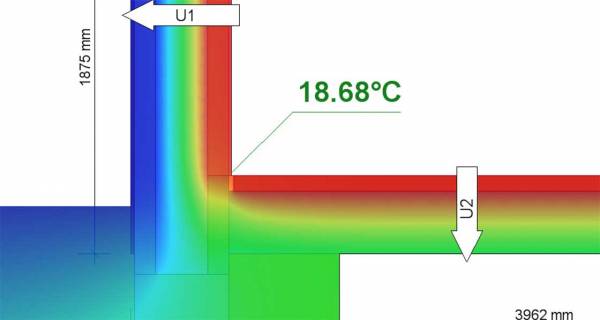
Assessment of thermal bridges is the low hanging fruit lining the path to passive house and low-energy building, according to leading thermal modeller Andy Lundberg of Passivate, who says that taking the time to understand thermal bridging and to minimise and calculate it properly is essential to delivering cost optimal low energy buildings without an Achilles heel.
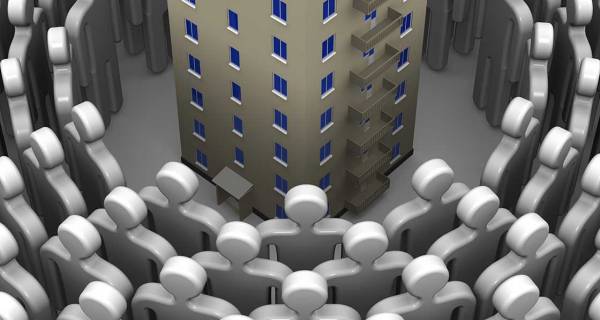
Almost a decade after the economic crash, every political party in Ireland now recognises the country is in the middle of a full-blown housing crisis. Similar problems exist in the UK market, but for different reasons. Now, if the political will to fix things has finally arrived, the question remains — what can actually be done about it?
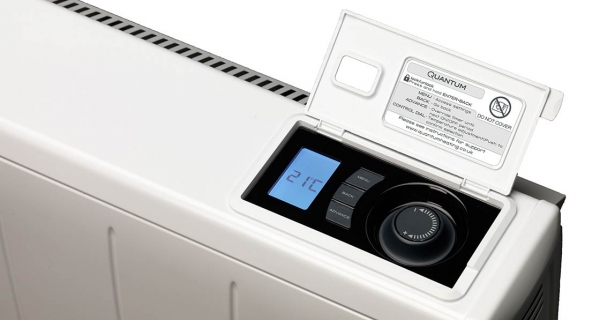
The gradual decarbonisation of our electricity grids — as renewable energy is phased in, while coal and peat are phased out — coupled with the proliferation of new buildings with very limited heat demand, has some experts asking if heating our homes and offices directly with electricity is starting to make sense again. So is it time to bring back the dreaded storage heater?