


Kate de Selincourt is a writer and editor, interested in the environment, sustainable building, and energy.
Kate can be contacted via: mail “at” katedeselincourt.co.uk or on twitter @kate_de
Disastrous Preston retrofits make national headlines
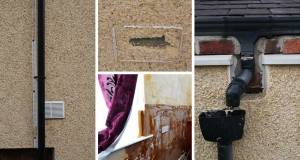
The revelations in Passive House Plus issue 24 about failed external insulation retrofits in the Fishwick area of Preston have been followed up by UK national media, putting pressure on Ofgem, the electricity and gas regulator, to make more effort to help those affected.
New authority to oversee safety in high rise apartment blocks
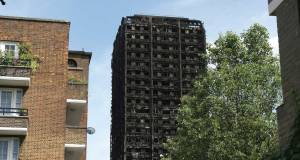
It is being suggested that the creation of a Joint Competent Authority – as called for by Dame Judith Hackitt in her review of the building regulatory system, after the Grenfell tragedy – is due to be announced by the UK Ministry of Housing very soon. And a new industry initiative is calling for Dame Judith’s recommendations to be implemented in full.
UK buildings regulations set for major overhaul
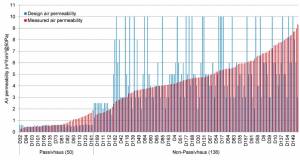
Performance gap much smaller for passive homes, research finds
New UK retrofit standard will mandate ventilation & post occupancy checks
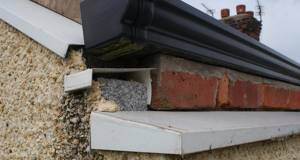
PAS 2035 follows high profile retrofit failures under government schemes
Future proof: designing buildings that withstand climate change

Over the past year cold snaps, heat waves and severe storms have all brought the reality of the climate crisis home to the UK and Ireland. But with the climate changing in fast and uncertain ways, how can we construct buildings that will remain resilient — and keep their occupants healthy and comfortable — long into the future?
Historic London house gets near passive transformation
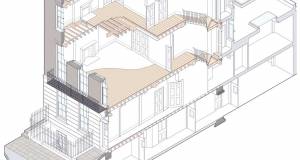
The default answer when you want to do pretty much anything to a listed building is ‘no’. The default assumption if you want to achieve the Enerphit standard for retrofit is ‘tackle everything’. So how on earth do you retrofit a listed building to within a whisker of the Enerphit standard — with the blessing of the conservation officer?
Victorian stone building becomes Enerphit youth hostel
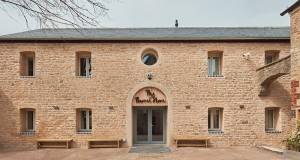
Old buildings are tricky to upgrade – especially if external insulation’s not allowed. Utilising a combination of cutting edge building physics and a carefully selected palette of insulation materials, one Victorian stone building has been upgraded to the Passive House Institute’s Enerphit standard, slashing heating demand by 90%
Granite-hewn Victorian home upgraded to PHI low energy standard

Built in 1850, this home in Dartmoor national park would have relied on local timber supplies for heating until the advent of widely-available central heating. One passive house-flavoured retrofit later, it’s back to its wood-burning roots – only this time with much less wood use, and much higher comfort.
Disastrous Preston retrofit scheme remains unresolved
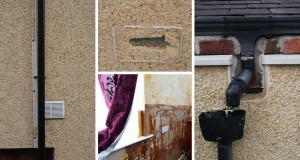
A disastrous failed external insulation contract run under a government energy saving scheme has affected up to 390 homes in Preston with water penetration, mould and damp.