


Freelance journalist John Hearne has contributed a diverse range of news and feature material to a range of Irish newspapers and magazines. Currently, he is a regular contributor to The Irish Examiner and The Irish Independent, where he writes on tourism, consumer affairs, business and careers.
Fermanagh schoolhouse reborn as passive family home
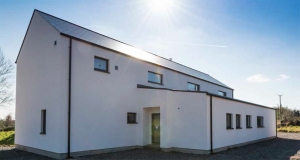
The abandoned husk of a 1960s school building sounds a very long way from a comfortable, ultra low energy family home. Thanks to a remarkable upgrade effort – influenced by reading Passive House Plus – one Fermanagh family are reaping the rewards of one such transformation.
Affordable passive scheme that beggars belief
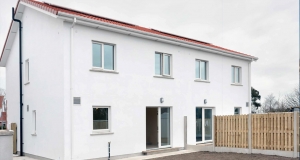
It may sound too good to be true, but a new scheme of semi-Ds in Co Wexford proves that passive houses can be remarkably affordable to buy – and that’s with net zero heating and hot water costs, and the soundproofing levels of a cinema.
Low energy Waterford retrofit with a classic look & feel
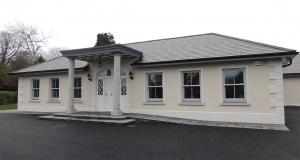
Builder Conor Walsh undertook an ambitious partial rebuild, partial retrofit to this 1960s bungalow, delivering deep energy savings and turning it into a modern family home
Bristol deep retrofit proves worth with monitoring
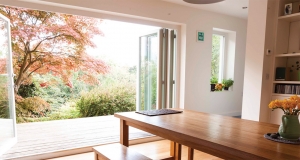
This unique energy retrofit in Bristol walked a fine line between ambition and pragmatism to deliver a healthy, comfortable and ultra-low energy home
Material impacts
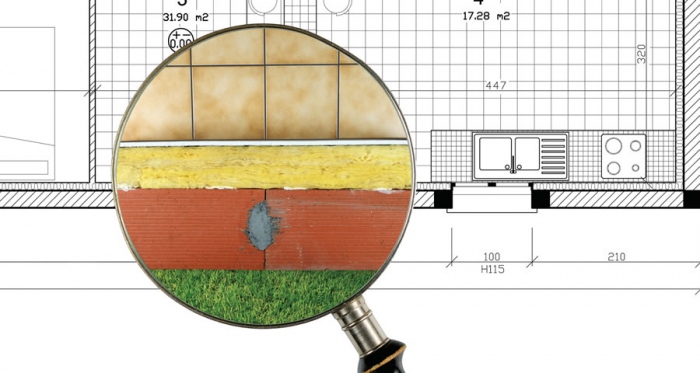
For decades now, European countries have been regulating the amount of energy new buildings can consume for heating and electricity. But as these standards get ever tighter, is time to start controlling the embodied energy and wider environmental impact of building materials — and what’s the best way to do it?
New coastal ICF home goes passive at low costs
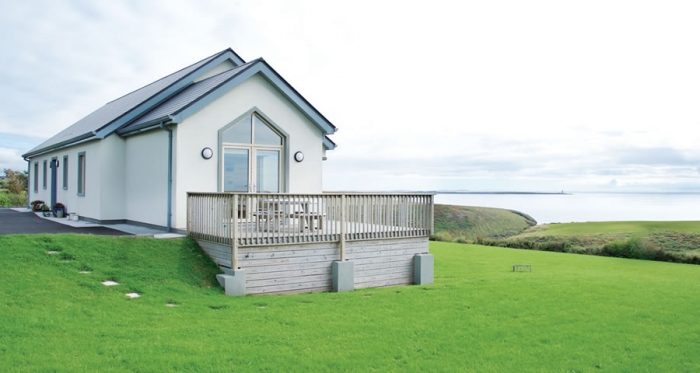
This house on the coast of County Waterford is built from an insulated concrete formwork shell that delivers an inherently warm and airtight construction, and easily exceeds passive house targets.
Warm and healthy Devon flats that need no heating
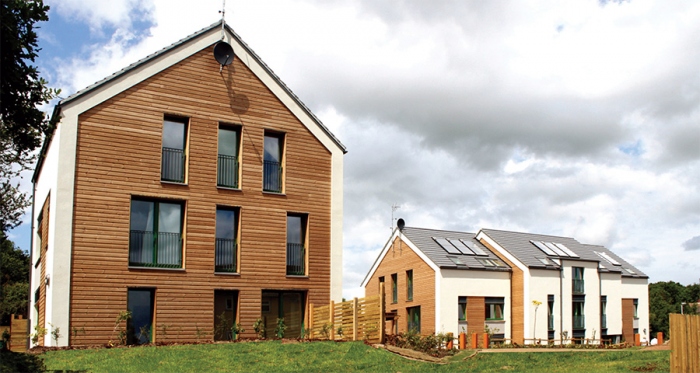
This affordable housing scheme in Exeter not only embraces a suite of healthy and natural materials, but it has vindicated the local council’s embrace of the passive house standard, with many of the units requiring no additional heating whatsoever.
Ecological passive house built on tight budget
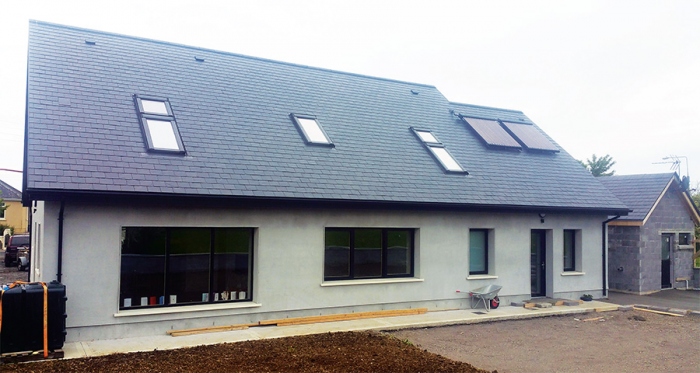
Despite some setbacks, this passive house in Roscommon managed to meet the passive house standard for fairly standard costs — all while emphasising natural materials like untreated timber, cellulose and sheep’s wool.
Artfully crafted Tyrone passive house
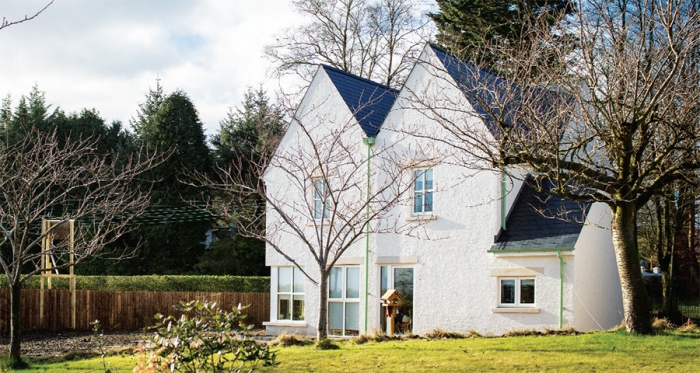
This new Dungannon home shuns conventional passive house design and embraces the late 19th century Arts and Crafts movement.
Passive research centre acts as living showcase for green tech
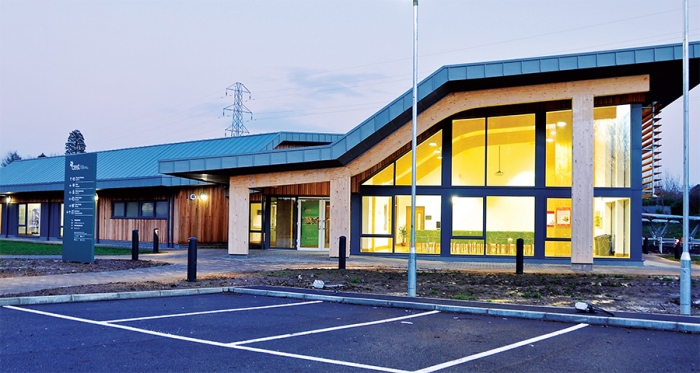
A new research centre in Northern Ireland could stake a claim as being one of the greenest buildings on these islands. Not only is it passive, it boasts a whole suite of ecological features, and aims to be at the cutting edge in the research and development of new sustainable and renewable technologies.