
Double talk: a brief history of insulated glazing
Written by Marc O'Riain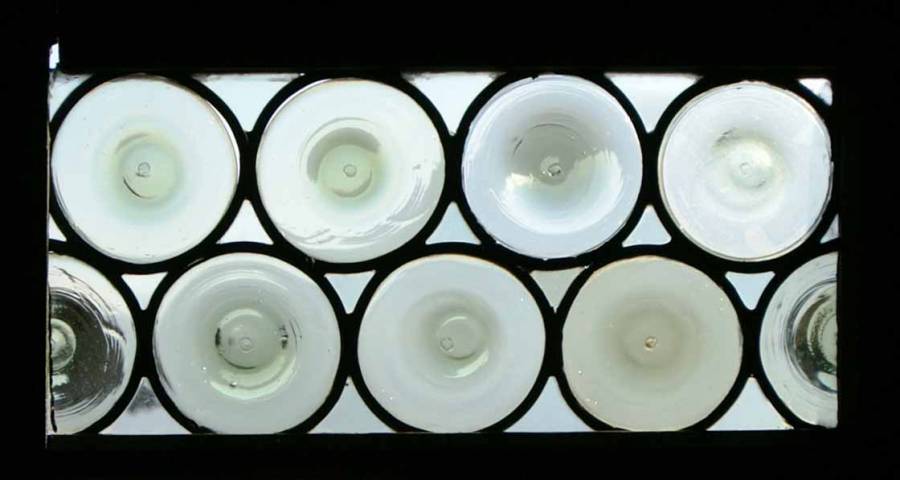
In his latest column on the history of low energy building in the 20th century, Dr Marc Ó Riain charts the surprisingly fascinating history of double glazing.
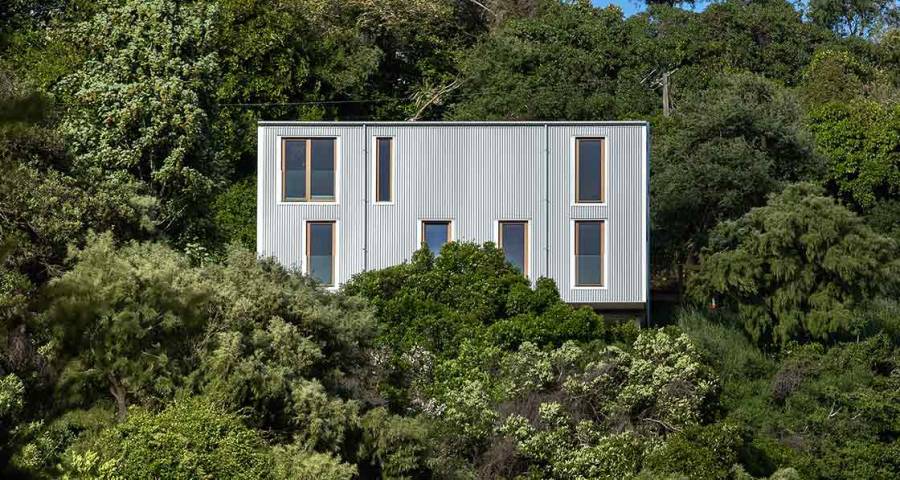
This issue features a certified passive house in South Island, New Zealand, and the Bagley Outdoor Classroom at the University of Minnesota, Duluth.
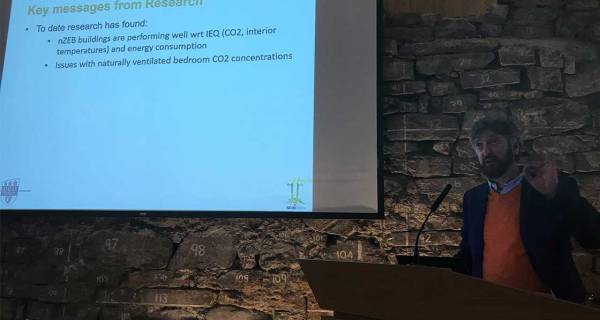
A new research project at UCD will aim to uncover key early lessons from the design and operation of nearly zero energy buildings (NZEBs) in Ireland. The NZEB standard will become mandatory in Ireland for dwellings from November.
Stunning Cork passive house heads list of Isover award winners
Written by News Desk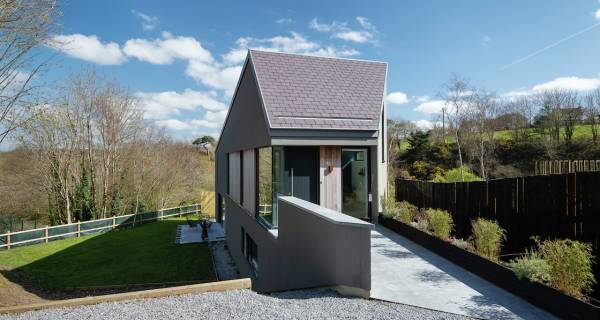
Simply Architecture, and their new build residential project ‘The Fairways’ in Cork, has been named the winner of the 2019 Overall ISOVER Award, as well as being named Designer of the Year 2019, at the third ISOVER Awards.
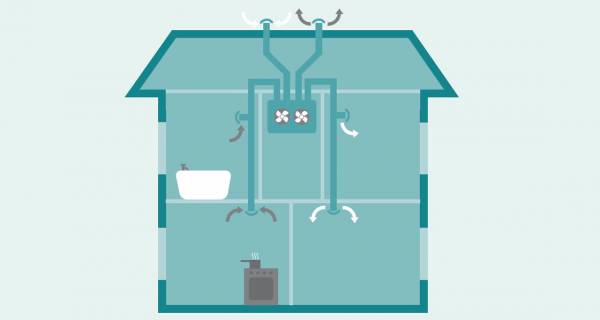
Heat recovery ventilation is an invaluable way to maintain indoor air quality in low energy buildings and minimise the loss of precious heat, but there are several issues to address to ensure optimal performance. Ventilation expert Ian Mawditt, a technical advisor on Part F of England’s building regulations, has decades of experience in field investigations of indoor air quality and ventilation effectiveness. His guide, which focuses on centralised or ducted whole house heat recovery systems, is essential reading to anyone considering such a system.
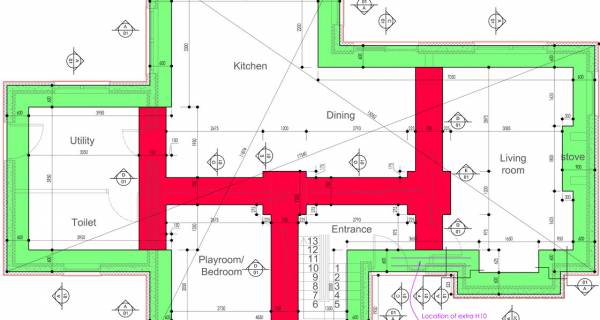
While understanding wall and roof insulation is relatively straightforward, insulation under the ground floor can be a bit of a mystery by comparison. Not only is it buried in the ground, but there are notoriously tricky spots like the wall-floor junction that need to be detailed and insulated properly. And the design of your foundation often depends on site conditions and the type of structure you’re going to build, too. In this guide, we explain some different ways of insulating one of the most challenging parts of the building envelope.

Achieving NZEB, a one-day event that aims to make it easy for the building industry to understand how to achieve nearly zero energy building (NZEB) standards, will take place this Thursday, 30 May in Youghal, County Cork.
Predicted energy usage seldom reflect actual consumption, whether in the case of typical stock or notionally low energy buildings. But how well does passive house turn theory into reality?
With obsessive attention to preserving and restoring the original fabric of these two Victorian townhouses, and a commitment to shunning petrochemicals and using only natural materials, could this be the most wildly ambitious and sustainable passive retrofit ever undertaken in the UK?
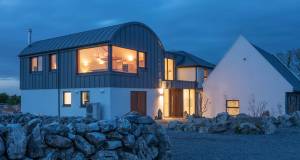
Situated in a stunning location in the west of Ireland, between Galway Bay and the limestone hills of the Burren, this project provided a complex challenge in three parts: deep retrofit an old cottage into a yoga studio, reinvigorate its original extension, and build a new barrel-roofed passive-grade extension — then make it all work together as one unified home and workspace.
More...
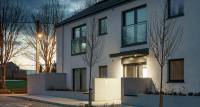
An award-winning social housing development in South Dublin points to a sustainable way out of Ireland’s housing crisis.
10 million tonnes of carbon saved by low carbon cement — Ecocem
Written by News Desk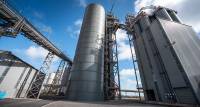
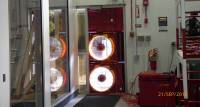
Leading Irish energy & airtightness consultancy Greenbuild has advised the building industry to be prepared for the new requirement, as of January of this year, to test new non-domestic buildings for airtightness on completion.
Green Building Store publishes radical retrofit briefing
Written by News Desk
Green Building Store has published a free technical briefing on its award-winning radical retrofit of a traditional Pennine farmhouse & barn in West Yorkshire, which developed innovative solutions for hard-to treat buildings with solid walls.