


Freelance journalist John Hearne has contributed a diverse range of news and feature material to a range of Irish newspapers and magazines. Currently, he is a regular contributor to The Irish Examiner and The Irish Independent, where he writes on tourism, consumer affairs, business and careers.
Zero in - Inspired design offers route to net zero energy living
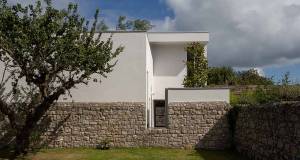
It sounds like an impossibility: a high density, architectural, zero energy home on the tightest of back garden sites, adaptable to the needs of everyone from empty nesters to a family of six without opening a toolbox. But sometimes a project comes along that redefines what is possible.
Pilot light - Pioneering Donegal deep retrofit a roaring success
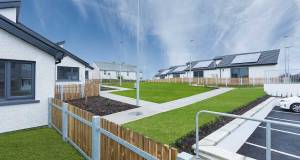
A rundown 1970s scheme of one-bedroom, single storey social housing units in Ballyshannon, Co Donegal, has been transformed into a pioneering development of cosy, A-rated, NZEB-busting homes. The pioneering project – the first completed under Ireland’s deep retrofit pilot scheme – also breathed new life into an unloved green area and is expected to help fuel a regeneration project in the town.
Hell's kitchen - Why cooking can destroy indoor air quality

When it comes to air pollution, we tend to worry most about things like traffic fumes and solid fuel burning — or when it comes to indoor air, condensation, damp and mould. But one of the biggest threats in the air we breathe comes from something we are exposed to almost every day, but rarely think about: cooking. John Hearne reports on the evidence for how cooking affects indoor air quality, and what we can do about it.
Big time - UK's largest passive scheme comes to Camden
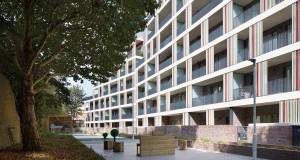
The first phase of the hugely ambitious Agar Grove redevelopment in Camden was finished in April 2018. Not only is it the largest passive house scheme in the UK to date, it also aims to be a model for sustainable urban regeneration and for creating liveable spaces at the heart of our cities.
Inner strength - 60s Dublin city scheme a model for retrofit based regeneration
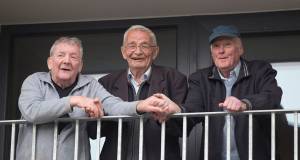
The dramatic conversion of 22 old bedsits on the north side of Dublin City into 11 passive-grade apartments offers an inspiring example of how to retrofit inner city housing while radically improving quality of life for residents.
Social skills - The A1 rapid build council homes that are sustainability all-rounders
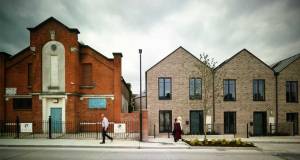
In the midst of a national housing crisis, this new development in Dún Laoghaire sets a hopeful and inspiring example: high quality, high density, rapid build social housing that needs almost no energy to heat and is within walking distance of shops, services and the seafront. No wonder it was one of the first projects to be certified to a rigorous new sustainability standard.
The stunning low energy seaside home that's built from clay
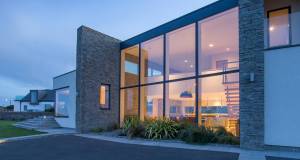
Set on a picturesque coastal plot in north County Dublin, this eye-catching home was built from clay blocks and strives to balance energy efficiency and comfort with expansive sea views.
World class passive social housing

Simultaneously tackling fuel poverty and climate change requires drastic action on deep retrofitting the existing housing stock – and fast. Dún Laoghaire-Rathdown’s deep retrofit and renovation of Rochestown House may be Ireland’s most significant retrofit to date – a fact reflected in the project picking up the sustainability award at the 2017 Irish Architecture Awards.
The PH+ guide to external insulation

In the first in a new series of technical articles on some of the key technologies in sustainable building, John Hearne makes the case for wrapping buildings in an external insulation layer, and describes some of the main issues to watch out for.
North Dublin sheltered scheme makes A1 breakthrough
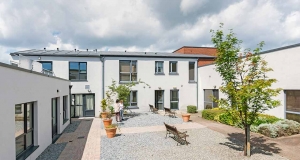
The first social housing scheme of any kind to top Ireland’s BER scale, this project is a timely reminder that in the midst of a national housing emergency, it is possible to tackle climate change and blitz the forthcoming nearly zero energy building targets, while housing the most vulnerable in society in healthy, fuel poverty-proof homes predicted to incur zero heating cost.