

Displaying items by tag: Ireland
Carbon first, fabric second
Much ado about nothing
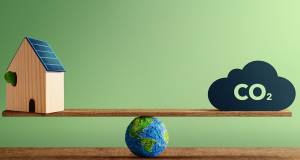
As the world edges ever closer to the precipice of runaway climate change, some sustainability terms have moved from relative obscurity towards the mainstream of marketing and public discourse – and none more so than zero carbon. But is zero carbon construction a real prospect, or is it just wishful thinking?
Words by John Butler and Andy Simmonds
Play to win
Dr. Barry Mc Carron appointed MD of KORE Retrofit
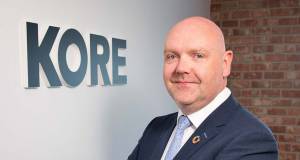
KORE Retrofit, a leading provider of sustainable retrofit solutions in Ireland, is pleased to announce the appointment of Dr Barry Mc Carron as its new managing director. Mc Carron brings extensive experience in sustainable development, building energy performance, and project management to this pivotal role.
Handled with care
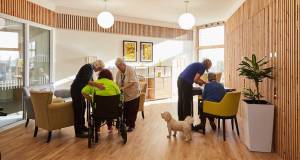
If thermal comfort is important for people of all ages, it’s even more so for elderly people, for whom the right living conditions can be a matter of life or death. Passive House Plus visited one award-winning extra care facility in Exeter to learn how the decision to go passive was working out for the residents.
Home from home
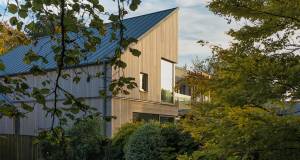
Few architects are tasked with knocking their old family home, but for John Morehead, once this difficult decision was made, it was a chance to create a future-proofed new passive house that embraces its stunning natural surroundings and exhibits remarkable attention to detail.
Bungalow Bills
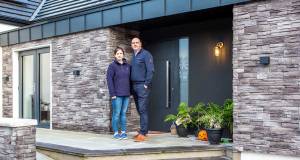
What does it feel like to suffer the cold, mould and discomfort of a 1960s bungalow, and experience its rebirth as a passive house? The owner of one award-winning project spills the beans.
Additional reporting by Jeff Colley
Embodied carbon & zero emission targets adopted in new EPBD
All new homes in Europe must meet binding embodied carbon reduction targets and produce zero on site emissions by 2030, due to changes led by Irish Green Party MEP Ciarán Cuffe.
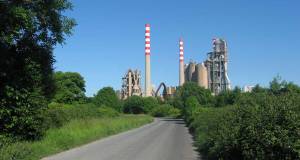
Most polluting cements ruled out in Irish public procurement
Big picture - Triana House boutique hotel
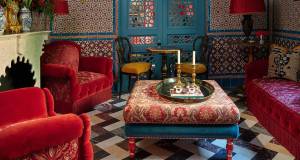
The first passive house certified hotel in Seville’s historic centre defies the challenges posed by its hot climate, small size, and preservation requirements, showcasing innovative strategies to mitigate heat and maximize energy efficiency.
by Juan Manuel Castaño and María Vico, Castaño & Asociados Passivhaus
Buy, hold or sell

Recent analysis has suggested a slowdown in the property sector for 2024, but what impact might a drop in inflation have? Mel Reynolds runs the numbers.
Banking on sustainability
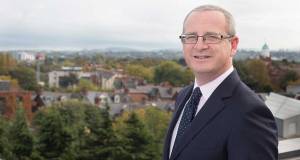
Last year Irish banking behemoth AIB launched discounted development finance for homes certified to the Irish Green Building Council’s rating system, the Home Performance Index. But what was behind the move, how is it being received and does this indicate the finance industry is getting serious about green homes?
Additional words by Jeff Colley
Seal of office
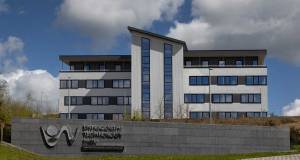
While the passive house standard has had a lasting impact on the design and construction of new homes in Ireland, progress has been slower in commercial property. With the business world under increasing pressure to take meaningful climate action while providing better working conditions for staff, one new office building in the southeast may be a sign of things to come – and a beacon for a UN-affiliated project.
Key industry events at Energy Show 2024
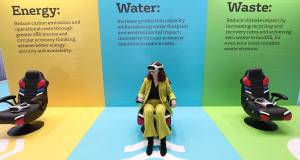
Businesses involved in the supply chain for low energy building or retrofit in Ireland take note: there are a number of must see events at the Energy Show in Dublin.
Licence to skill

The ever-tightening ambitions to integrate sustainability throughout Ireland’s new and existing buildings won’t be realised unless we can find smart, flexible ways to upskill the industry. Lis O’Brien of Technological University of the Shannon (TUS) explains how Digital Academy for Sustainable Built Environment (DASBE) has it cracked.
Big picture - Huff'n'Puff Haus - a straw bale passive house
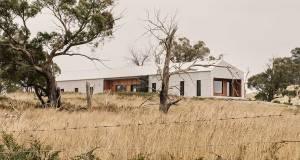
If you were choosing how to build in a bushfire-prone region of Australia, you could be forgiven for skirting over the possibility of packing your walls with straw. Talina Edwards of Envirotecture describes an extraordinary off-grid passive house which uses straw and a range of low embodied carbon building materials to blitz regulatory requirements on fire, while delivering year-round comfort levels that the neighbours can scarcely believe.
Green finance products for sustainable homes must meet new EU rules, experts warn
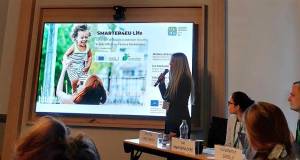
Green home certifications and mortgage products must align with new EU rules on green finance, the pan-European Smarter Finance for EU consortium has warned.
#BuildingLife series: Addressing the environmental impacts of buildings across their lifecycle
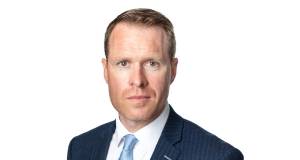
In this #BuildingLife Ambassador Spotlight Series, Passive House Plus is profiling leaders who have endorsed the Irish Green Building Council’s (IGBC) call to address the environmental impacts of buildings across their lifecycle.
Up to 11
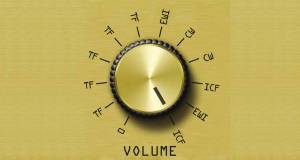
In issue 38 of Passive House Plus we published an in-depth assessment comparing the build specs including five wall types to a typical Irish house. To enable the industry to fairly compare a broader range of build options, we now expand that analysis with the addition of four timber frame wall types and two insulated concrete formwork systems
Ireland's climate targets threatened by critical skills shortage in sector
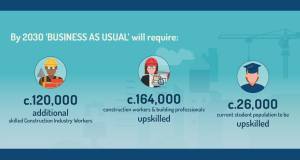
Research, led by Technological University of the Shannon, has identified significant skills and labour shortages in the built environment sector. The study highlights how this challenges Ireland in reaching its climate targets and points out possible solutions.
Irish Green Building Council launch event to promote sustainable building practices
The week of live and online events will show how to accelerate our transition to a more sustainable and resource efficient built environment
Adaptation sensation
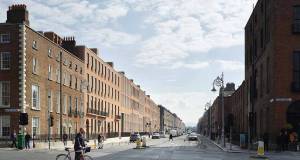
Sometimes a building comes along that asks challenging questions. Chris Croly, building services engineering director of BDP, describes one such example – a building designed to tackle the specific energy profile of offices, while trialling an innovative, dynamically controlled approach to adaptive comfort.
Safety net
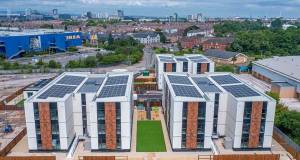
Phit the bill
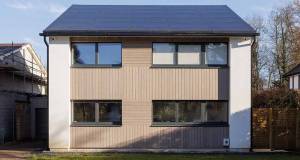
A passive house, by its nature, requires a much smaller amount of energy than a typical home, and when its heating demand is met by electricity, and you cover it in solar PV panels, you can start to see the potential for a whole new generation of passive homes that are semi-independent of the electricity grid. This is the case for Carrstone House in Bedfordshire, which generates so much solar energy it had to be registered as a power station.
A grid of their own
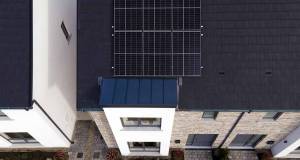
A new development in County Wicklow demonstrates how typical housing estates might be turned into electricity microgrids through solar power and battery storage, with residents buying and selling renewable energy from each other, helping to insulate them from price spikes and outages.
Passive Power
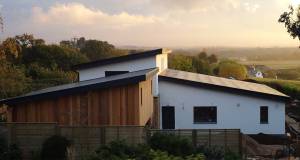
A passive house, by its nature, requires a much smaller amount of energy than a typical home, and when its heating demand is met by electricity, and you cover it in solar PV panels, you can start to see the potential for a whole new generation of passive homes that are semiindependent of the electricity grid. This is the case for Carrstone House in Bedfordshire, which generates so much solar energy it had to be registered as a power station.
It's a lovely house to live in now
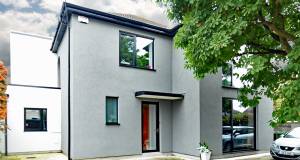
Northern comfort
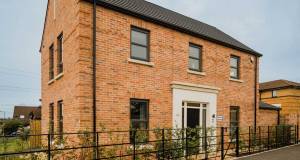
In trickier housing markets, the instincts of house builders have often tended towards building to the worst legal standards required – or worse. One award-winning new project in Belfast’s suburbs is showing that it doesn’t have to be this way – and that developers can thrive by pitching homes designed to ensure comfort and low bills at increasingly energy-conscious consumers.
Big picture - off grid passive house in British Columbia
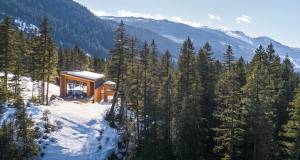
Issue 43 featured an off-grid prototype house in British Columbia, designed and constructed to demonstrate an innovative approach to future building.
Flat pack on track
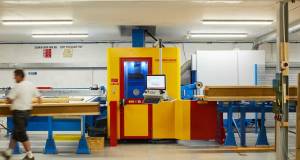
What do you get if you cross a quantum physicist, a forensic accountant, a merchant, an engineer and a software-whizz-kid architect? A terrible punchline presumably. But as Jeff Colley discovered on a trip to Sussex, you get something not to be laughed at: a collaborative approach that may be about to unlock a scalable, highly sustainable, circular economy-proof, flat pack build approach.