


Kate de Selincourt is a writer and editor, interested in the environment, sustainable building, and energy.
Kate can be contacted via: mail “at” katedeselincourt.co.uk or on twitter @kate_de
Radical retrofit transforms Pennines historic barn
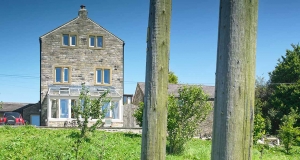
This ambitious experimental retrofit of a Victorian barn high in the hills of West Yorkshire has turned a cavernous, draughty space into a comfortable low energy period home — and cut its heating bills by over 80%.
Chair of post-Grenfell fire review “shocked” by construction culture
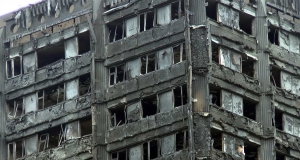
The engineer tasked by the UK Government with examining building fire safety regulation in England following the Grenfell fire has said she is shocked by construction practices. The industry urgently needs to change its culture, and “clearly identifiable” individuals must take responsibility for what is built, she concludes.
South London scheme delivers better health for residents
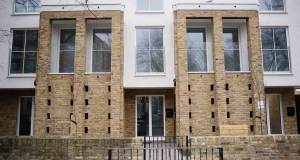
A sensitive development of social housing in Lambeth combines three new passive houses with six low energy flats delicately constructed inside an old Victorian terrace — and with the emphasis on good indoor air quality, residents are already reporting improvements in health & well-being since moving from their old accommodation.
Secrecy of fire tests undermines public safety, Grenfell Enquiry hears

The commercial secrecy surrounding the fire-testing of construction materials undermines fire protection by potentially obscuring serious concerns, a major alliance of fire bodies has told the public enquiry into the Grenfell disaster.
England, Scotland & Wales will fail to meet ‘nZEB’
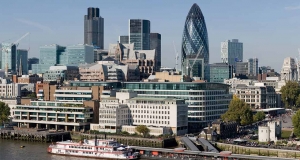
London encouraged to adopt its own building energy standard.
Grenfell Tower - How did it happen?
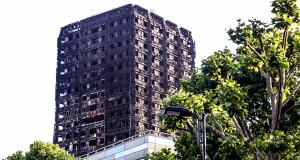
Investigations may eventually confirm the specifics of how the fire at the West London tower block spread so catastrophically on the night of 14 June, but the government and construction industry faces much deeper questions about whether a culture of deregulation, cost-cutting and buck-passing turned what should have been a small, inconsequential fire into a national tragedy.
Together in Electric Dreams

The gradual decarbonisation of our electricity grids — as renewable energy is phased in, while coal and peat are phased out — coupled with the proliferation of new buildings with very limited heat demand, has some experts asking if heating our homes and offices directly with electricity is starting to make sense again. So is it time to bring back the dreaded storage heater?
2016 UK Passivhaus Conference gets into detail on delivery
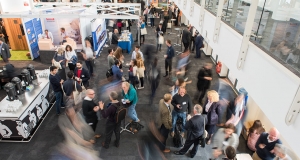
2016’s UK Passivhaus Conference, which took place in London in October, was the biggest yet, with 300 delegates and another 100 visitors to the expo that ran in parallel. Also in attendance were students from half a dozen architecture schools, some of whom had risen before dawn for the chance to attend.
UK's largest passive building opens to 2,400 students and staff
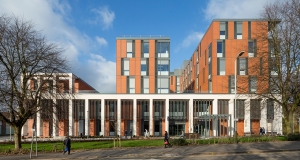
Completed early this year, the new Centre for Medicine at the University of Leicester is by far the largest single building in the UK to meet the passive house standard — and not surprisingly, its design and construction posed tough new challenges for how to meet the rigorous low energy standard on such a large, complicated building.
Sensitive passive retrofit transforms Victorian North London home
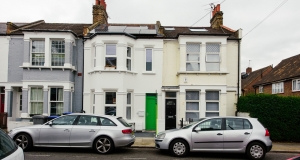
Upgrading a historic home to the passive house standard typically means leaving the façade untouched to preserve the building’s historic appearance, but the team behind this fully passive retrofit in Kensal Green took a totally different approach.