


Kate de Selincourt is a writer and editor, interested in the environment, sustainable building, and energy.
Kate can be contacted via: mail “at” katedeselincourt.co.uk or on twitter @kate_de
New research reveals high failure rate for ventilation systems
New evidence indicates that decentralised MEV systems – an increasingly popular option, now questions are being raised over the standard “background-plus-intermittent extract” ventilation strategy – can also fail to provide adequate indoor air quality, and may even perform worse than the standard approach in new build homes.
District heating and passive house - are they compatible?
Thanks to fabric-first energy performance approaches such as passive house, heating demand is collapsing. So how does district heating stack up in buildings which need such little heat?
1960s ‘icebox’ transformed into warm and bright eco home
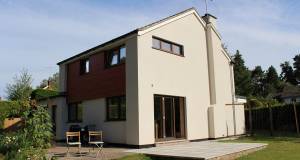
A deep retrofit of this 1960s block-built home turned it into a modern ultra low-energy home that emphasises wood, light and natural materials.
Isle of Wight development goes passive against the odds
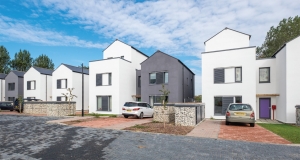
This new development of 28 units brings affordable passive housing to the Isle of Wight, bolstering the island’s bold eco ambitions while embracing a traditional seaside aesthetic.
Overheating - a growing threat that mustn't be ignored

As the climates gets warmer, overheating in buildings is likely to get worse — particularly given the modern architectural preference for huge expanses of unshaded glass. But what really causes overheating, is it really worse in low energy buildings, how do passive houses fare, and what can be done to prevent it?
Mechanical ventilation and IAQ - what the evidence reveals
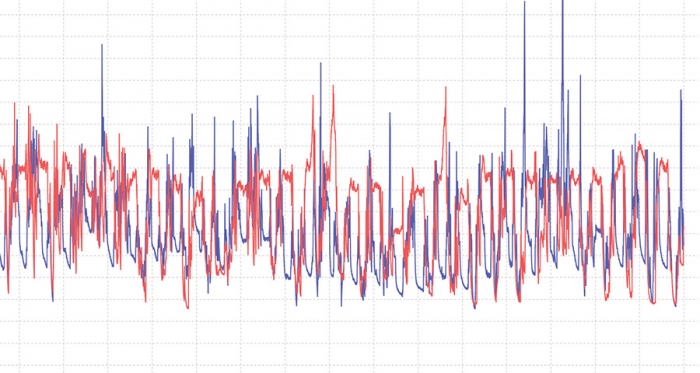
As previously revealed in Passive House Plus, the evidence appears to indicate that natural ventilation systems don’t adequately ventilate our homes. But does mechanical ventilation perform any better?
Ecological Lake District passive house generates its own electricity
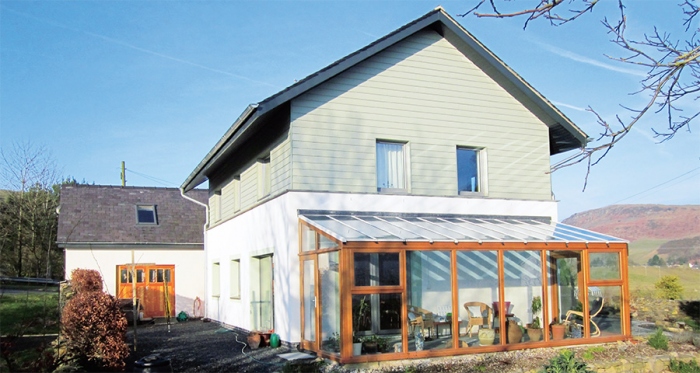
This new home in Cumbria not only meets the passive house standard, it embraces natural and recycled materials and produces its own electricity — and achieved it all on a ‘shoestring’ budget.
Hereford archive chooses passive preservation
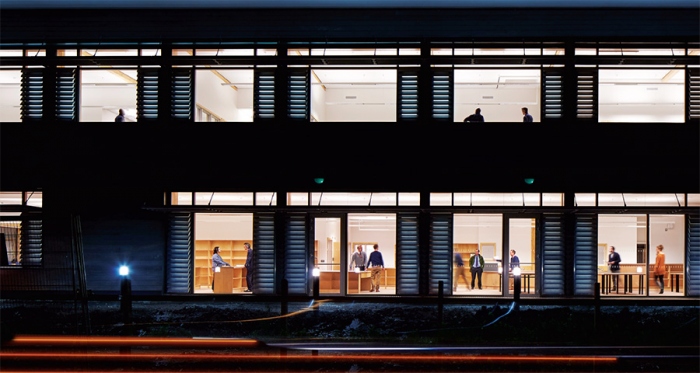
Safeguarding historic documents and other artefacts requires stable building conditions. Until now this was usually achieved with the expensive and energy-hogging use of heating and cooling equipment, but a new approach by Herefordshire Council used the passive house approach to conserve energy, money — and the county’s precious historical archives.
Ledbury passive house embraces warmth, wood & light
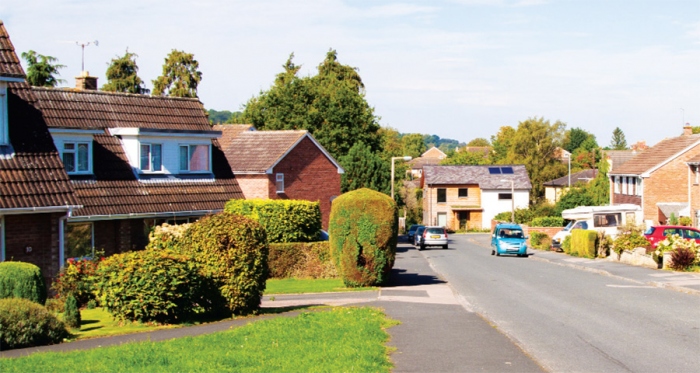
For Ruth Busbridge and her builder Mike Whitfield, aiming for the passive house standard was just one part of an environmentally conscious approach that put natural, healthy materials to the fore.
Mixed use London scheme delivers passive at scale
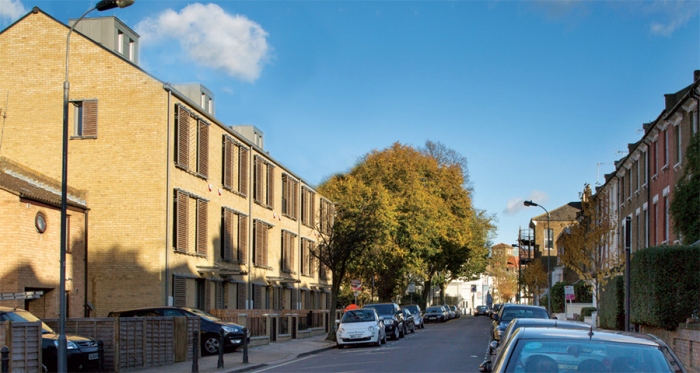
The latest in a string of passive house projects by social housing providers, Octavia’s Housing’s new mixed-use development at Sulgrave Gardens embraced fabric first design on an awkward London site to help protect occupants against rising fuel costs.