Pilgrim's house, Basque country
Building: 95 m2 hostel
Location: Zegama, Basque Country
Building method: CLT with wood fibre insulation
Standard: Passive House Classic
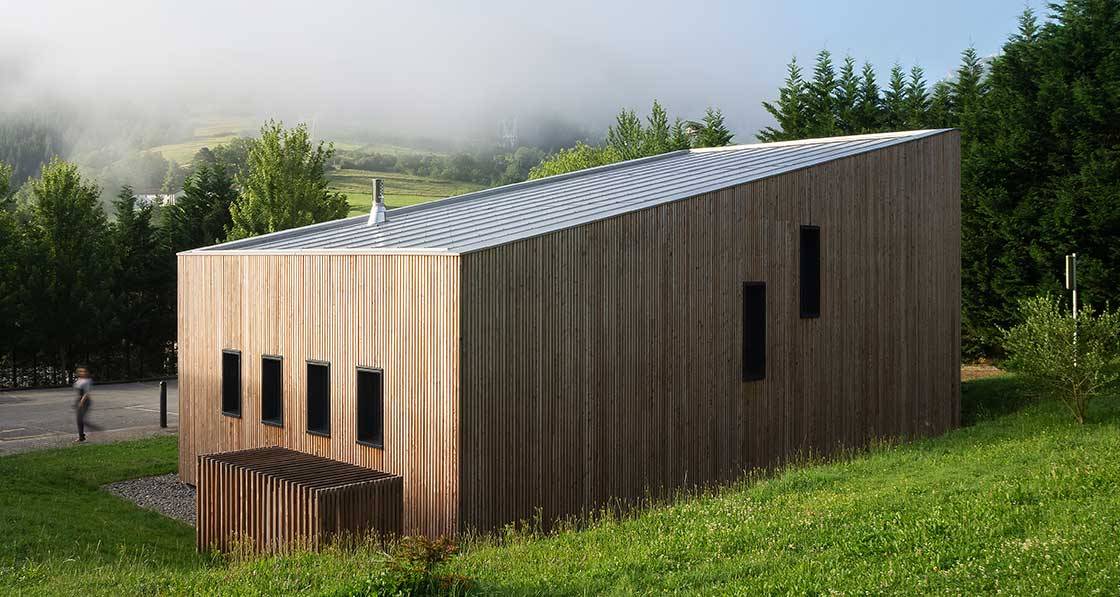
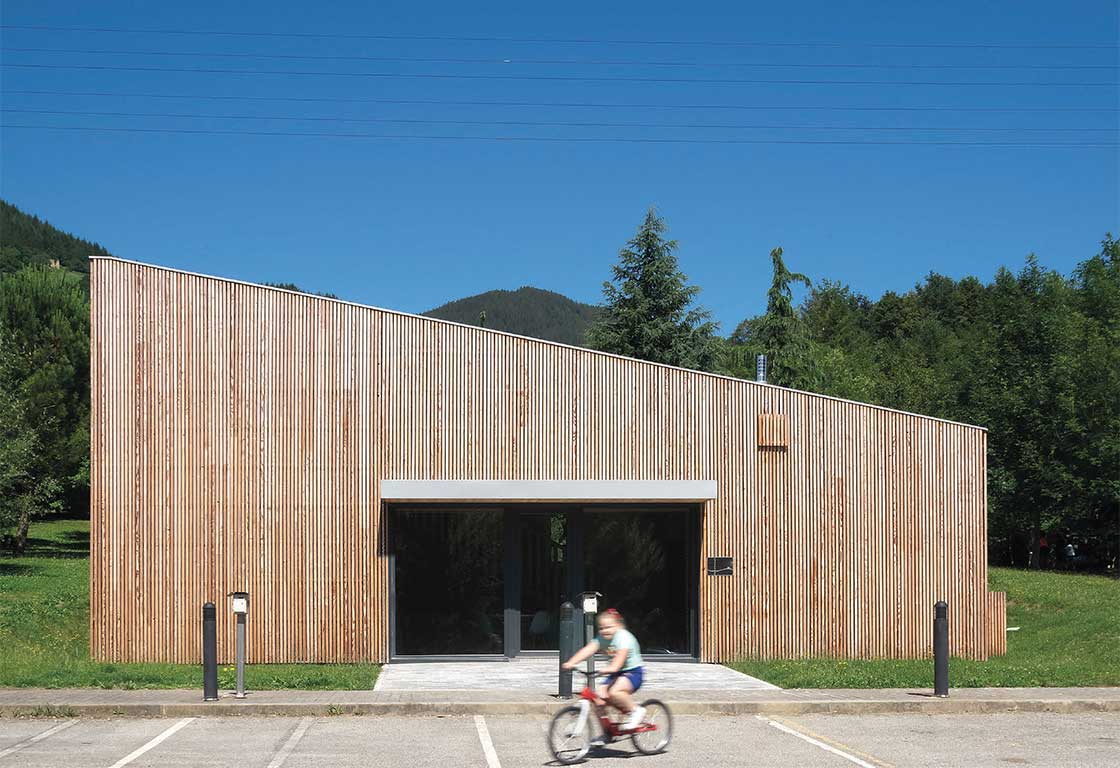
Built on the route of the Camino de Santiago in the interior of the Basque Country, this simple and elegant hostel in the town of Zegama was built to accommodate 12 pilgrims.
It was commissioned by the local town council, which had two key stipulations: that the finished building had to meet the passive house standard, and that because it was going to sit beside the town’s timber museum, it had to be constructed from wood.
The town of Zegama sits among the forested hills of the Basque Country, and the hostel itself sits right at the entrance to Aizkorri-Aratz Natural Park, which is known for its endless beech woods.
Designed by architects Natxo Ibarretxe and Iñaki del Prim, the finished hostel is a lesson in spare-but-smart design.
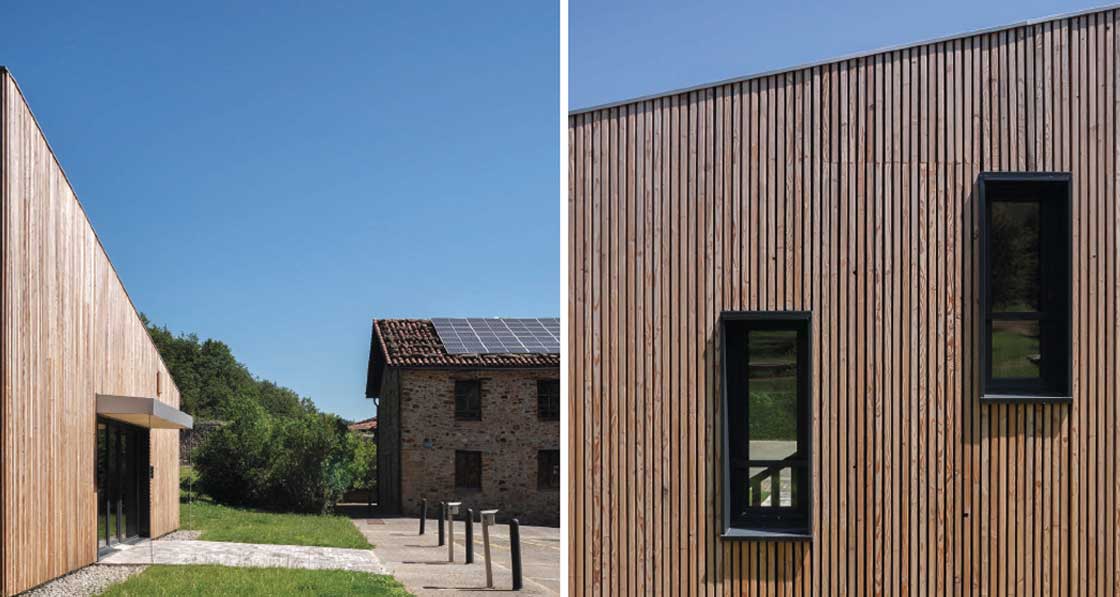
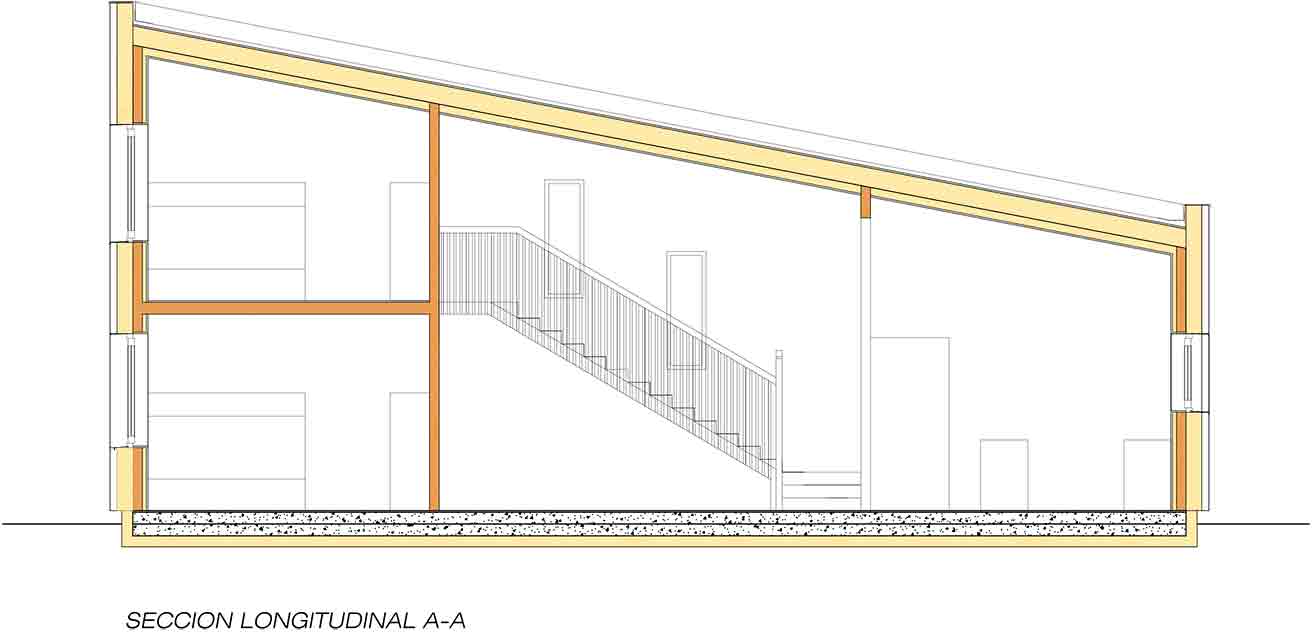
The careful orientation of the building, the modestly sized glazing, and the deep-set windows meant no additional shading was needed externally on the south-west façade.
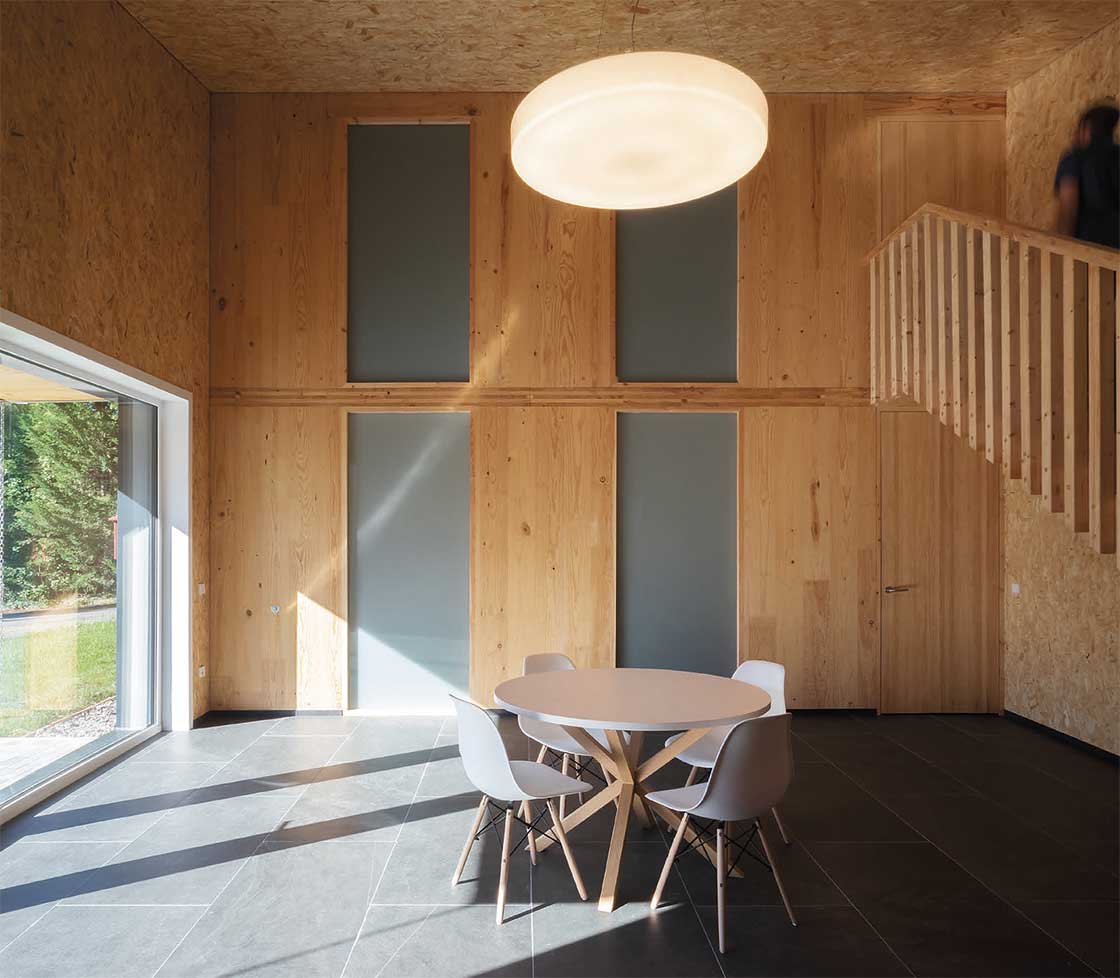
The size of the north-east elevation, meanwhile, was minimised to prevent heat loss to cold winds in the autumn and winter. Inside, the internal layer of OSB board was left exposed, creating a simple-yet-warm detail that eliminated the need for extra wall finishes.
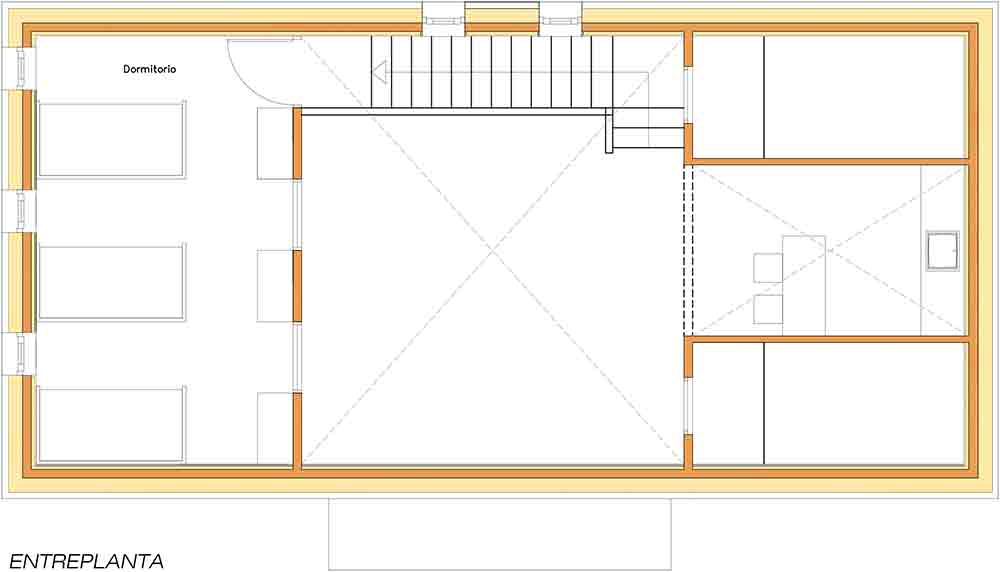
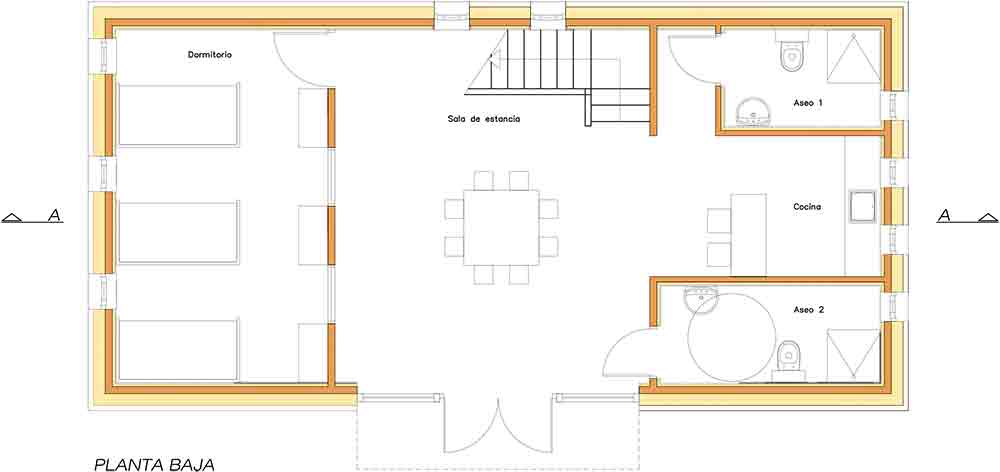
The finished hostel features two communal bedrooms, with six bunks each, plus a simple living and dining space, an adjoining kitchen, and two bathrooms.
This article was originally published in issue 39 of Passive House Plus magazine. Want immediate access to all back issues and exclusive extra content? Click here to subscribe for as little as €10, or click here to receive the next issue free of charge
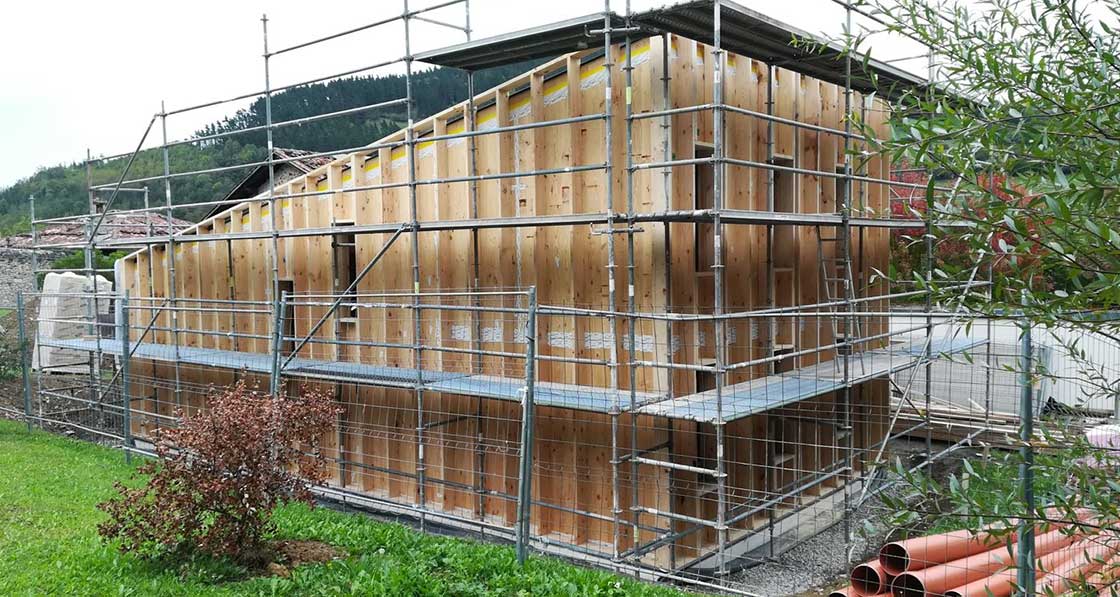
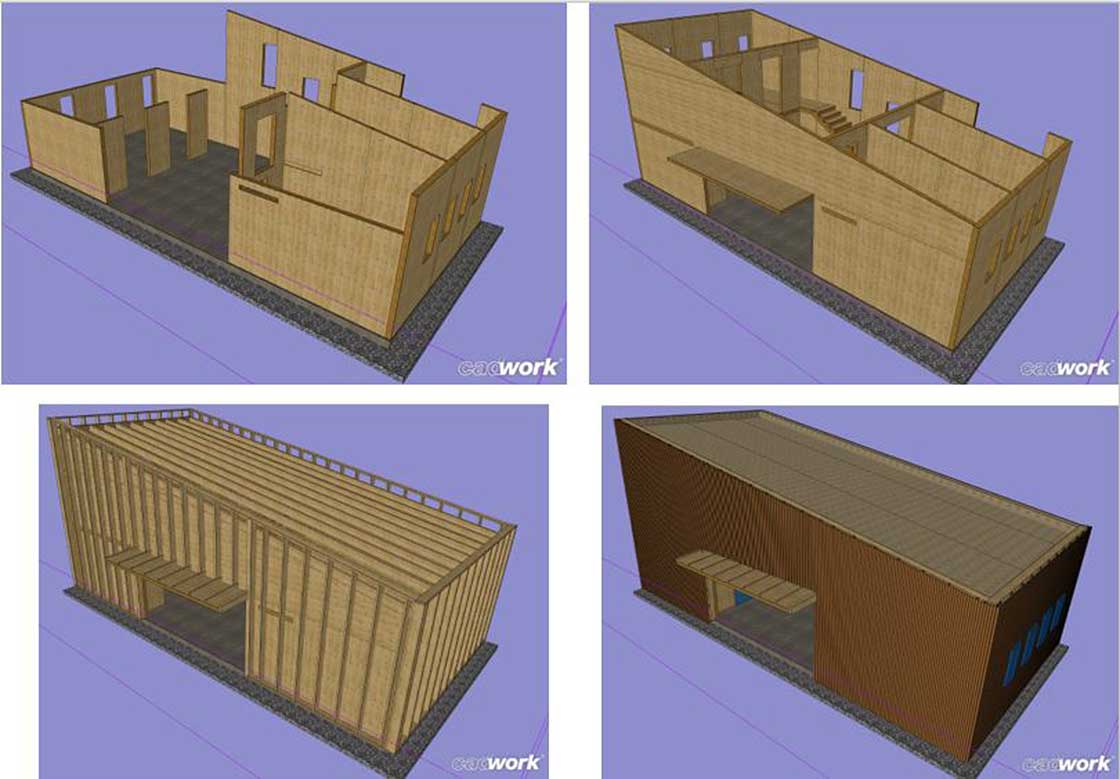
It was primarily constructed with a cross-laminated timber system that was sourced and manufactured locally, while wood fibre was used as the main insulation material, and the hostel is externally clad with timber too.
Meanwhile, the building’s heat pump and underfloor pipework can provide active cooling, should it be needed in summer when the building is fully occupied (the building’s peak cooling load of 10 W/m2 is almost equal to its heating load of 11 W/m2).
All-in-all the simple palette of materials, beautiful detailing and guarantee of passive house comfort at the Casa Del Peregrino makes us want to visit almost as much as the forests and hills outside do.
https://staging.passive.ie/home/browse-by-category/international-buildings/item/2681-international-issue-39#sigProId37ec61fd6d