

Victorian stone building becomes Enerphit youth hostel
Written by Kate de Selincourt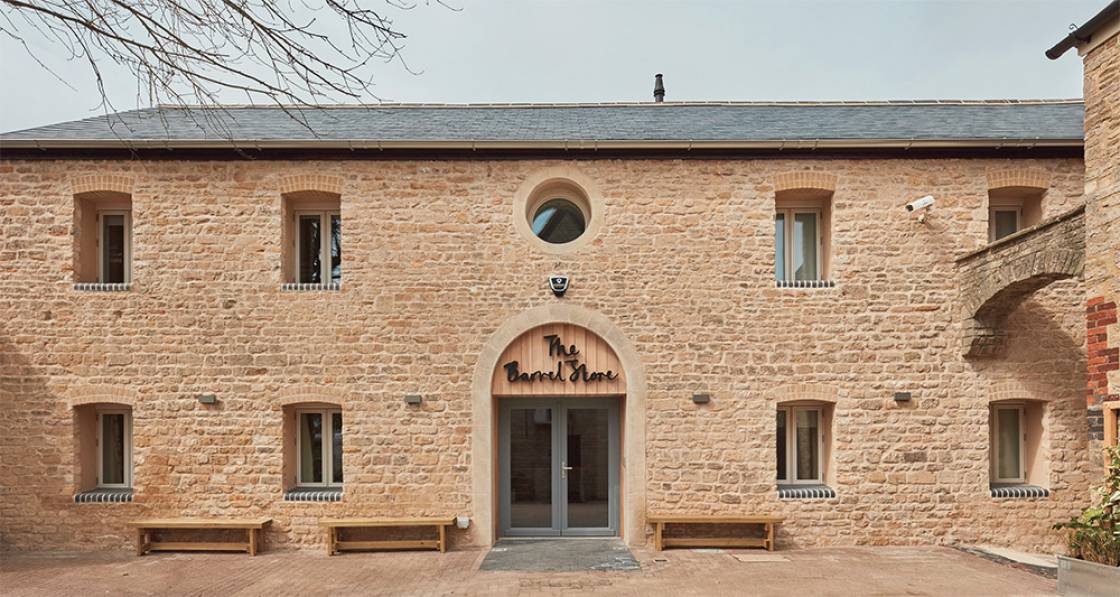
Old buildings are tricky to upgrade – especially if external insulation’s not allowed. Utilising a combination of cutting edge building physics and a carefully selected palette of insulation materials, one Victorian stone building has been upgraded to the Passive House Institute’s Enerphit standard, slashing heating demand by 90%
Granite-hewn Victorian home upgraded to PHI low energy standard
Written by Kate de Selincourt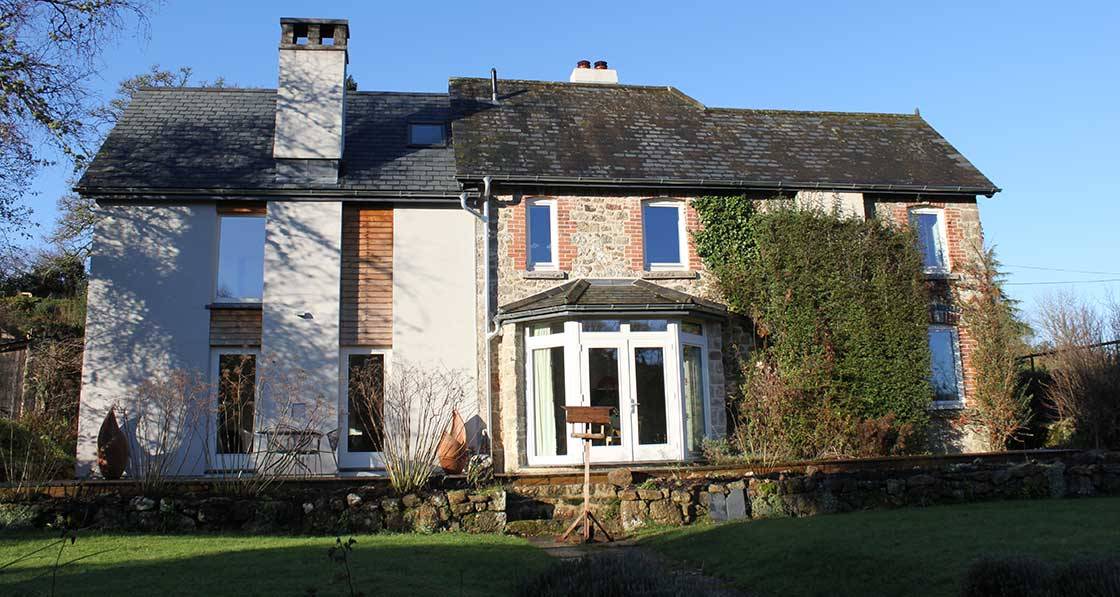
Built in 1850, this home in Dartmoor national park would have relied on local timber supplies for heating until the advent of widely-available central heating. One passive house-flavoured retrofit later, it’s back to its wood-burning roots – only this time with much less wood use, and much higher comfort.
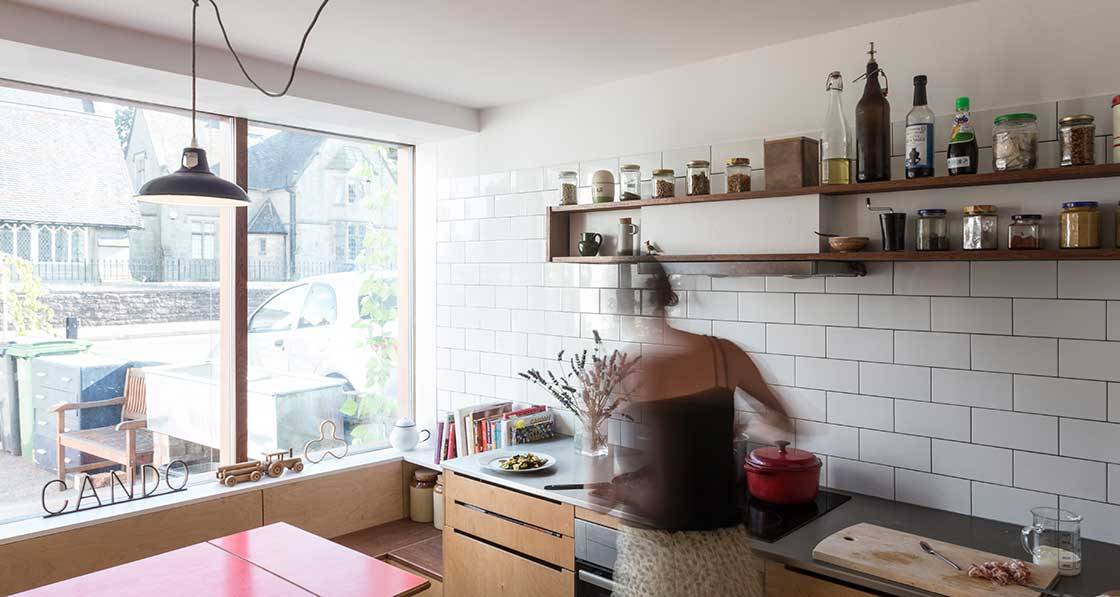
In 2014, one couple decided to give up life in a van and convert an old newsagents in Shrewsbury into a very small low energy home, using the principles of the passive house standard as their guide. So how did it work out, and what is life really like in such a small home?
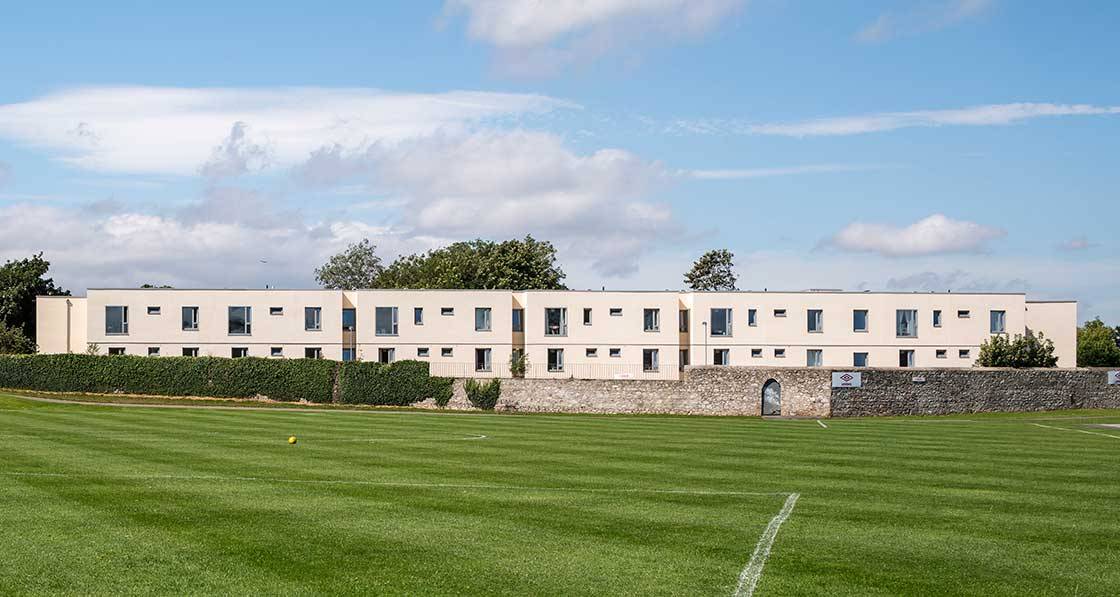
Simultaneously tackling fuel poverty and climate change requires drastic action on deep retrofitting the existing housing stock – and fast. Dún Laoghaire-Rathdown’s deep retrofit and renovation of Rochestown House may be Ireland’s most significant retrofit to date – a fact reflected in the project picking up the sustainability award at the 2017 Irish Architecture Awards.
Radical retrofit transforms Pennines historic barn
Written by Kate de Selincourt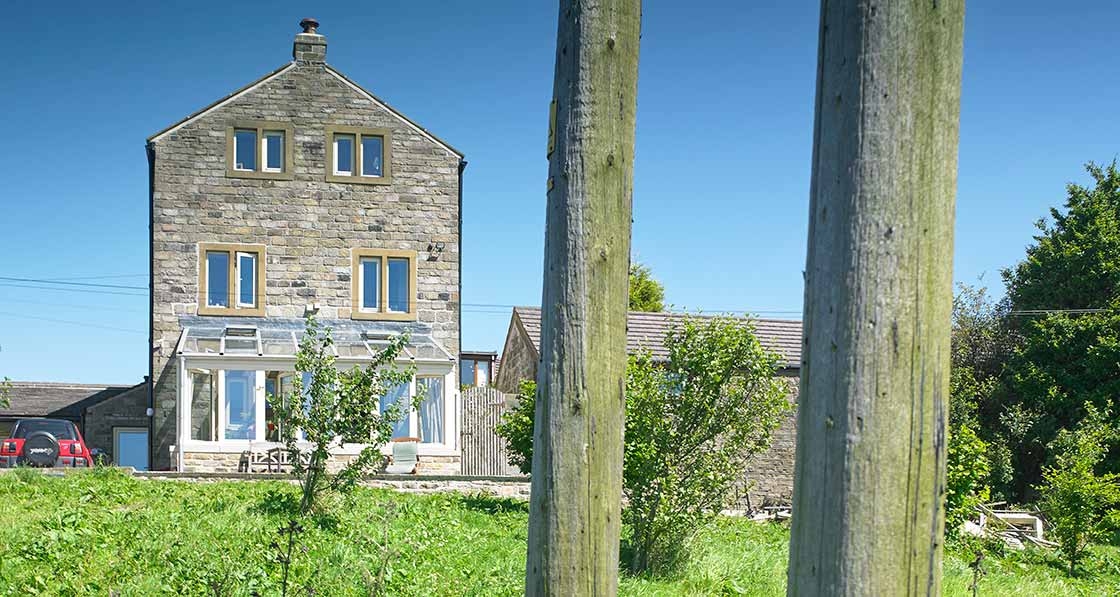
This ambitious experimental retrofit of a Victorian barn high in the hills of West Yorkshire has turned a cavernous, draughty space into a comfortable low energy period home — and cut its heating bills by over 80%.
Dublin boiler house reborn as green building exemplar
Written by John Hearne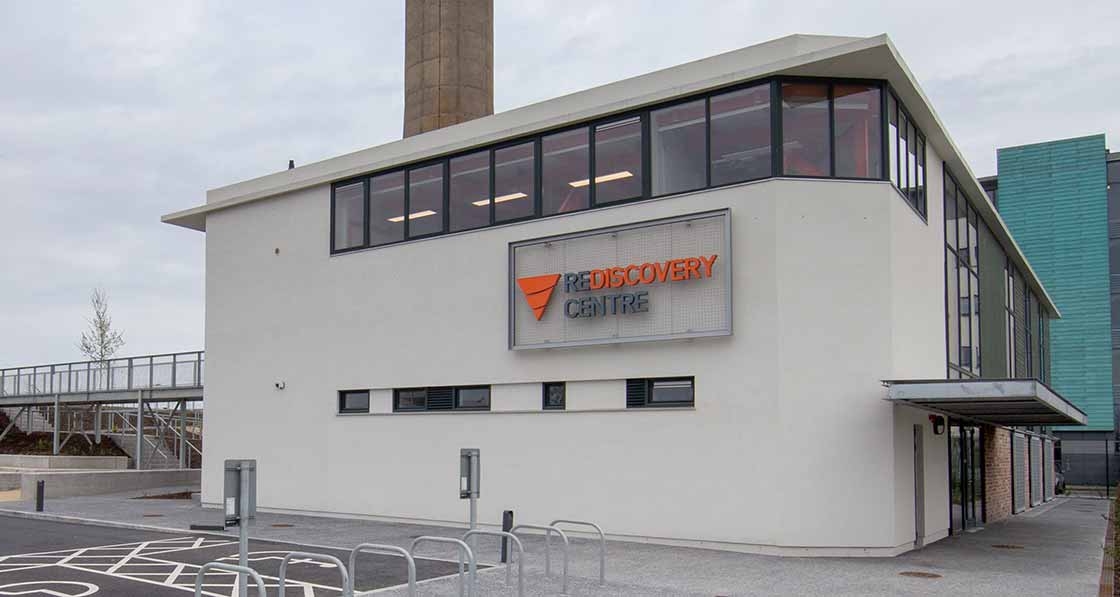
If the reduce, reuse, recycle mantra has a built embodiment, it’s arguably the recently completed Rediscovery Centre in Ballymun, Dublin – a 1960s boiler house for a much maligned early district heating system that’s been transformed into a sustainability education centre, and that makes use of a remarkably large palette of green materials and sustainable technologies.
Brecon Beacons stone cottage gets Enerphit treatment
Written by John Cradden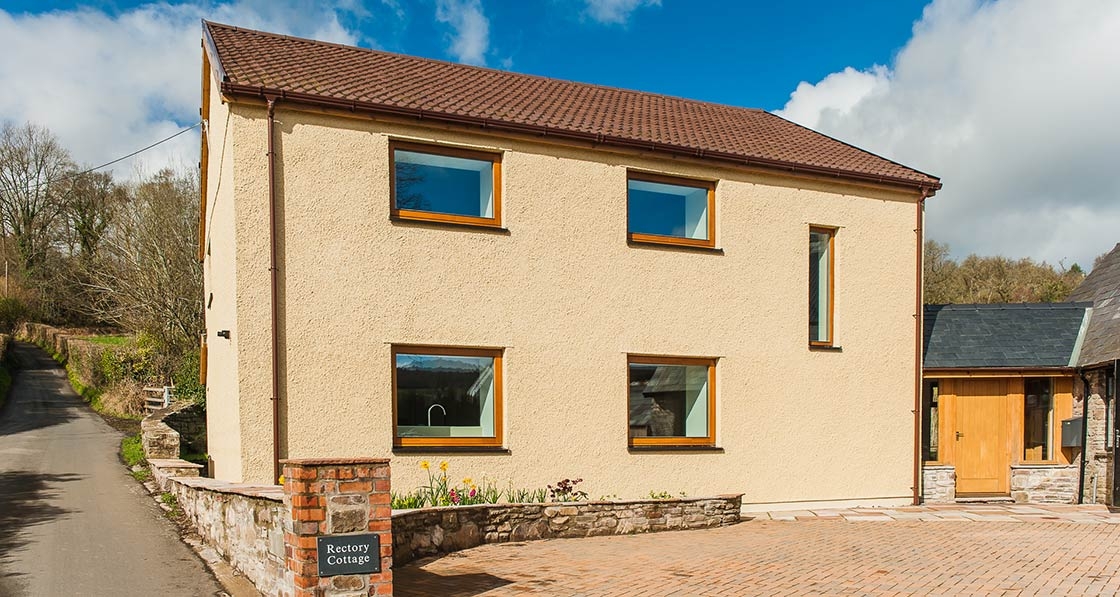
When it came to upgrading an old stone-walled building to the Enerphit standard — with all the inherent challenges such an upgrade poses for energy, airtightness and moisture — who better to have as your client and defacto site manager than a professor of physics?
18th century ruin becomes stylish low-energy home
Written by John Cradden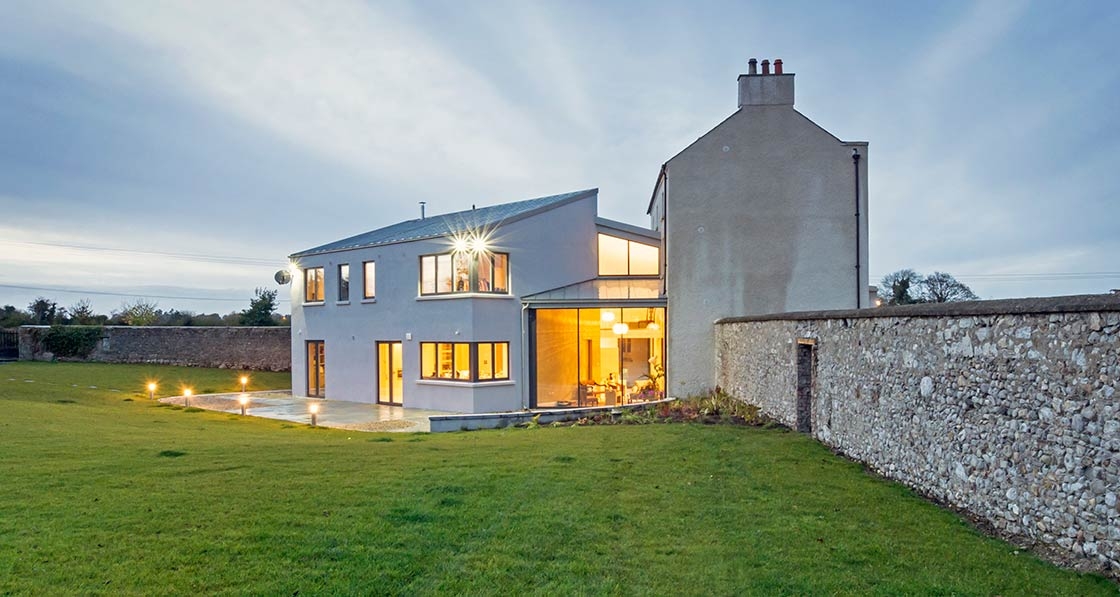
Homeowners Anne and Patrick Jordan’s ambitious upgrade and extension project in County Kildare took the shell of an 18th century farmhouse and transformed it into an elegant family home with a striking-yet-sensitive modern extension — all while embracing a healthy and fabric-first approach to retrofit combined with clever heating system design that has brought them from a G to an A3 rating.
Solihull upgrade trials revolutionary retrofit approach
Written by Ben Adam-Smith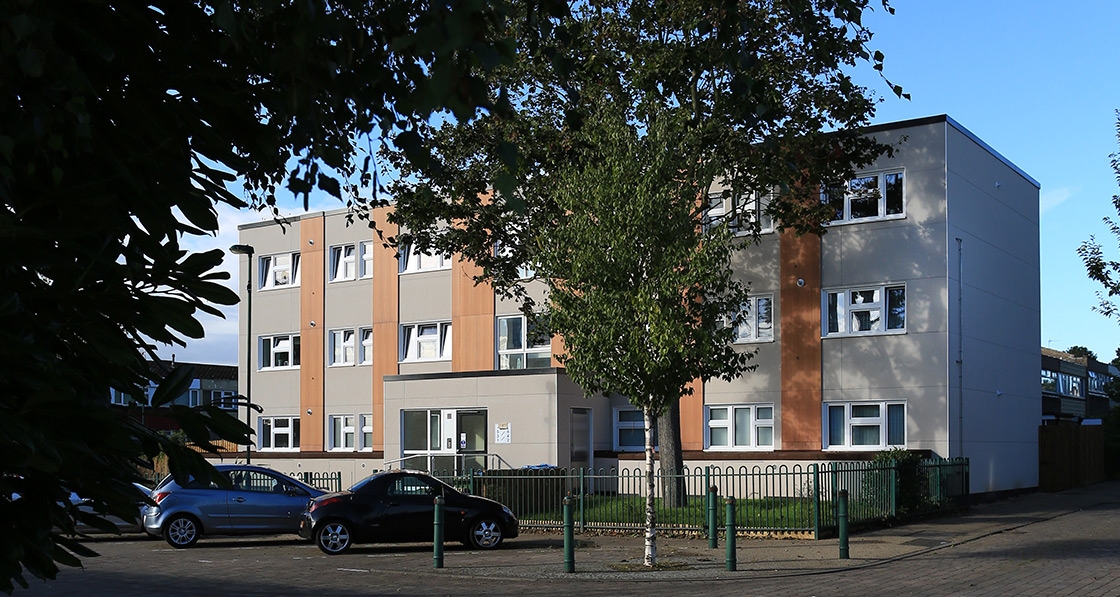
An exciting and innovative new deep retrofit project in Solihull has drastically cut the energy consumption of a small block of flats by smoothly and efficiently wrapping the entire structure in both insulation and ventilation ducting, delivering huge energy savings and minimal disturbance to the residents.
Deep retrofit transforms big, complex South Dublin home
Written by John Hearne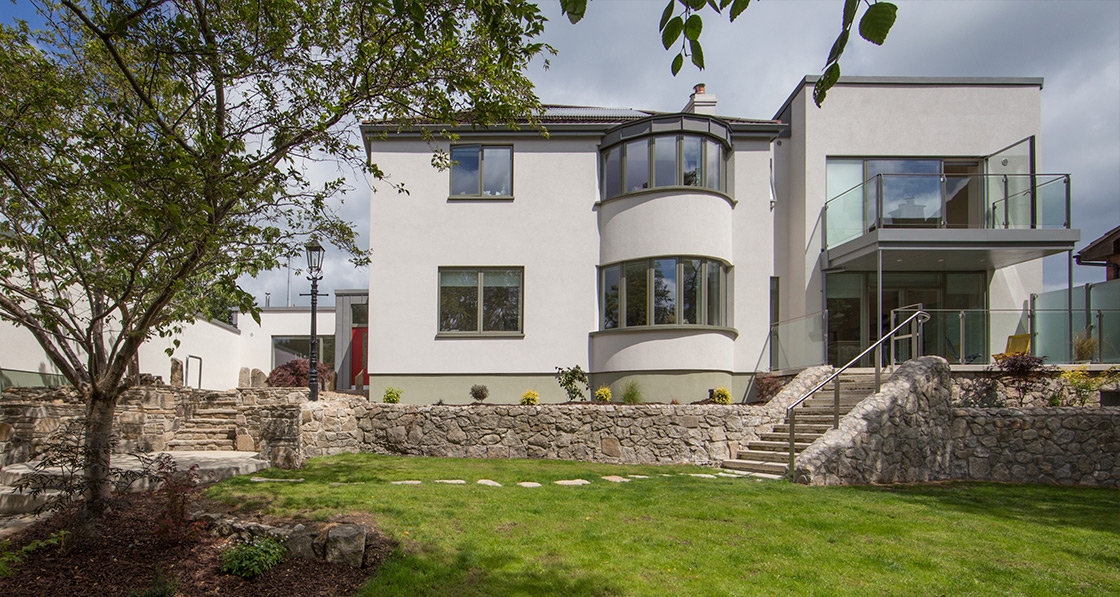
At first glance, this sprawling house in Blackrock would appear to be a nightmare candidate for a deep energy upgrade — large and sprawling, and with a mix of structures built at different times and with different materials. But guided by the passive house standard, the team behind it managed to turn a G-rated energy guzzler into a healthy and very-low energy family home – complete with an A rating.
Welsh school fuses passive & eco material innovation
Written by Lenny Antonelli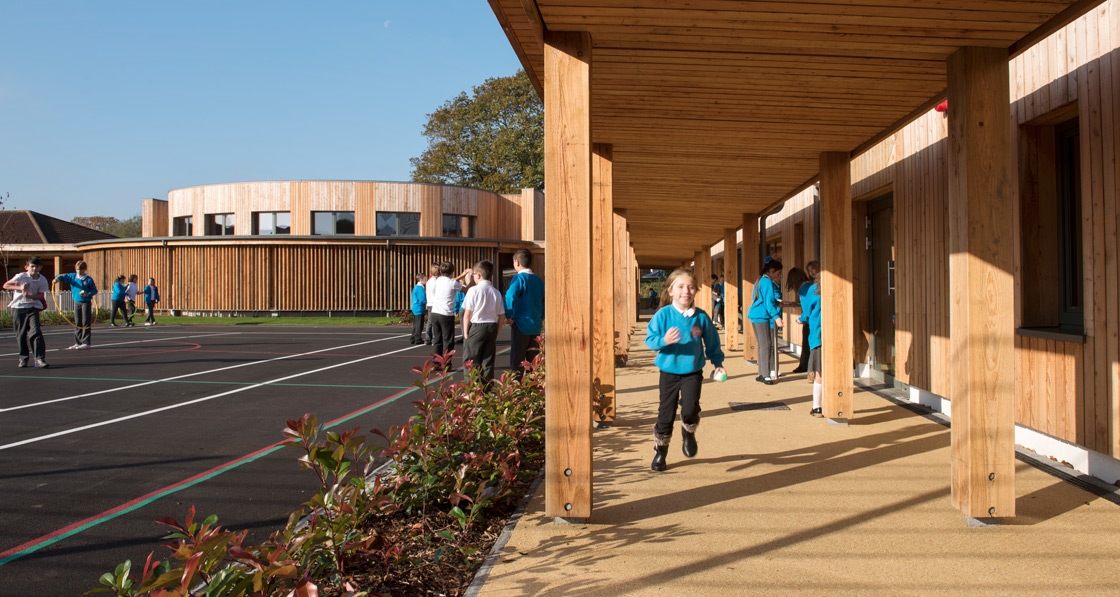
This new award-winning two-building extension to a primary school in the south of Wales delivers healthy, ultra low energy school buildings – one of which is passive house certified – while pushing the boundaries of timber engineering.
1950s Cork City house reborn as healthy low-energy home
Written by Ekaterina Tikhoniouk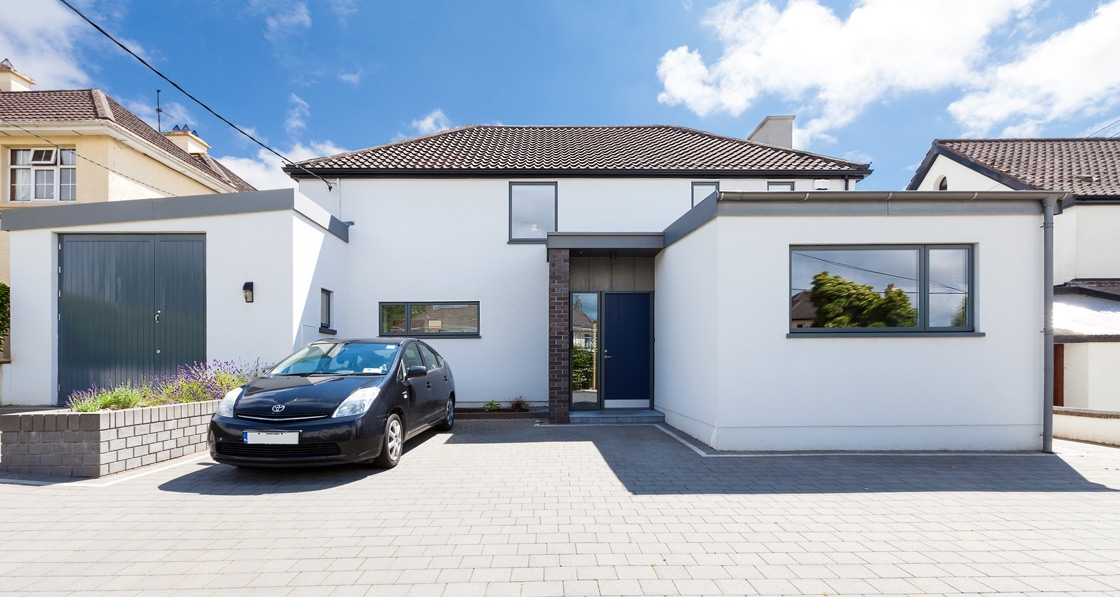
The deep retrofit of this two-storey 1950s house in Cork City transformed a draughty, poorly-insulated dwelling into a comfortable, low-energy home for one family – coming close to the Enerphit standard in the process.
Sensitive passive retrofit transforms Victorian North London home
Written by Kate de Selincourt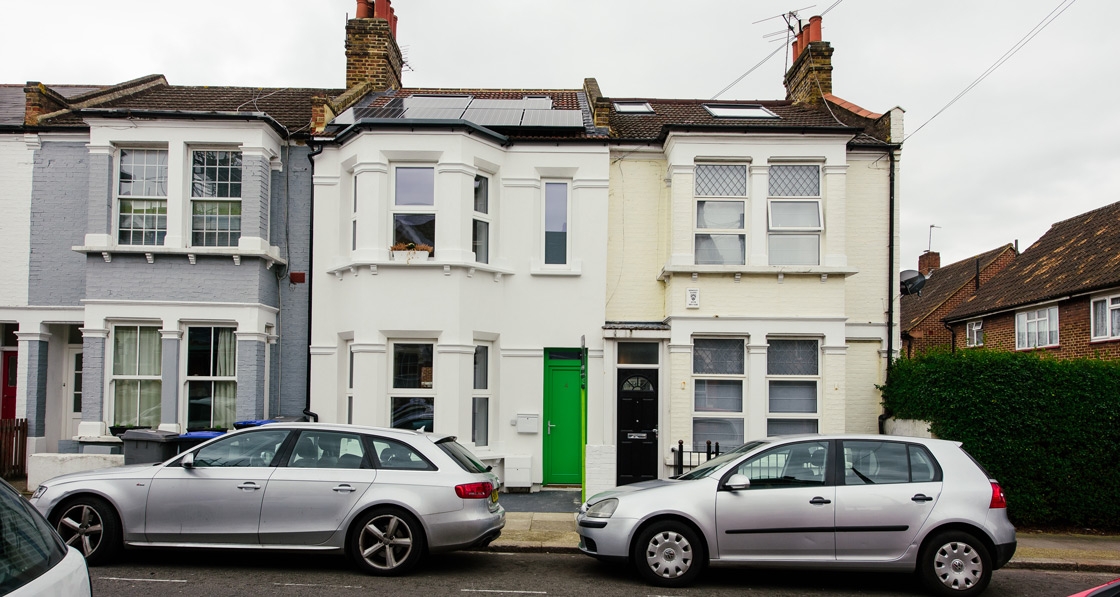
Upgrading a historic home to the passive house standard typically means leaving the façade untouched to preserve the building’s historic appearance, but the team behind this fully passive retrofit in Kensal Green took a totally different approach.
Wicklow step-by-step retrofit reveals new way to go passive
Written by John Hearne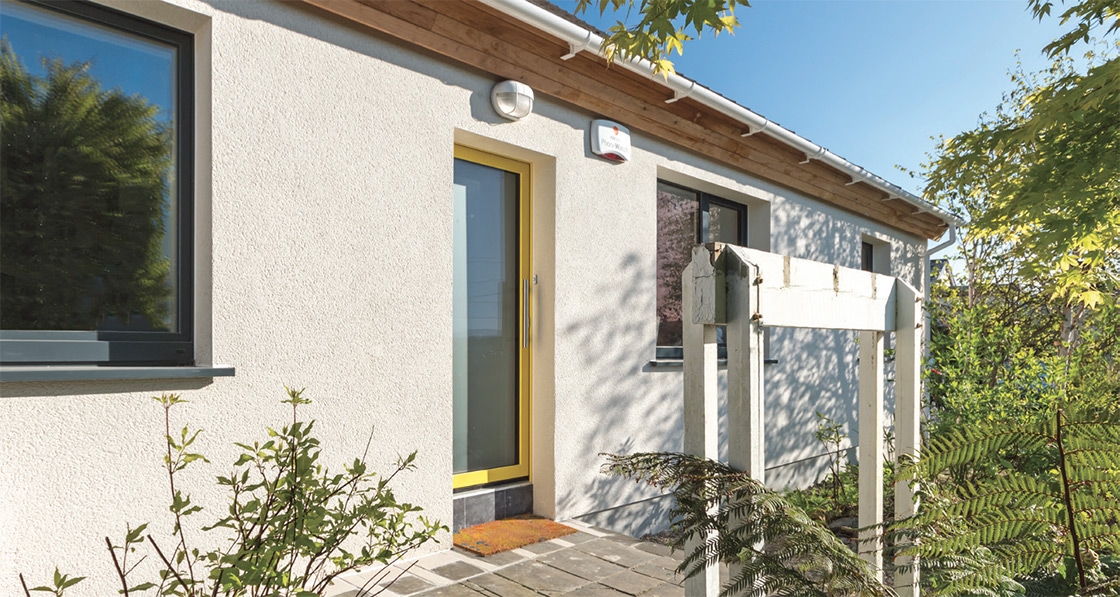
This pioneering deep energy upgrade of a 1960s home in Wicklow will take place in phases over at least five years, with the aim of making it more affordable to go passive by renovating on a step-by-step basis.
1960s ‘icebox’ transformed into warm and bright eco home
Written by Kate de Selincourt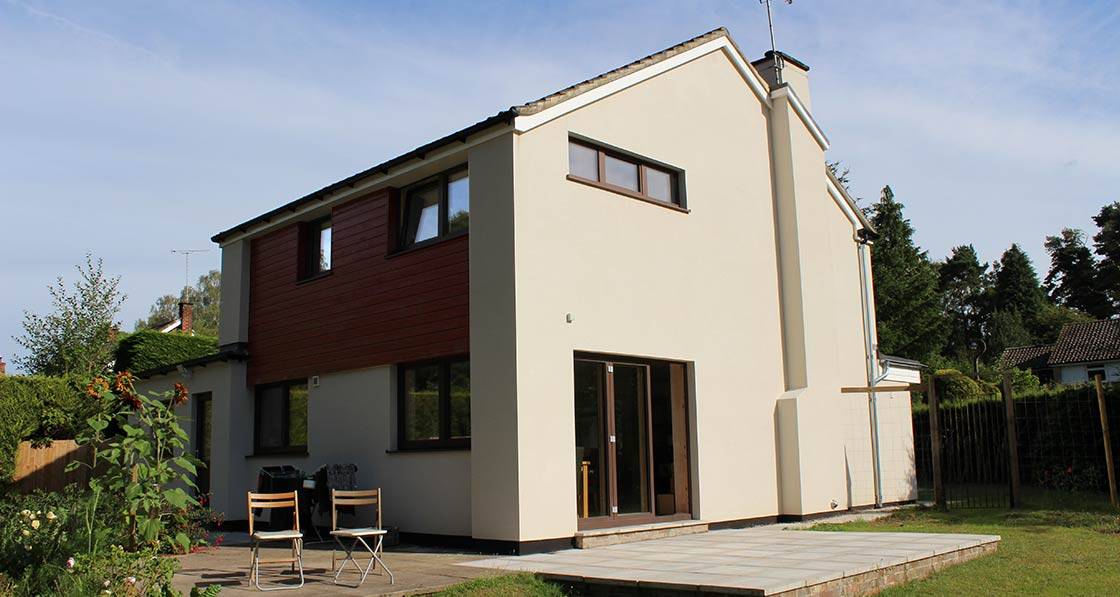
A deep retrofit of this 1960s block-built home turned it into a modern ultra low-energy home that emphasises wood, light and natural materials.
Fermanagh schoolhouse reborn as passive family home
Written by John Hearne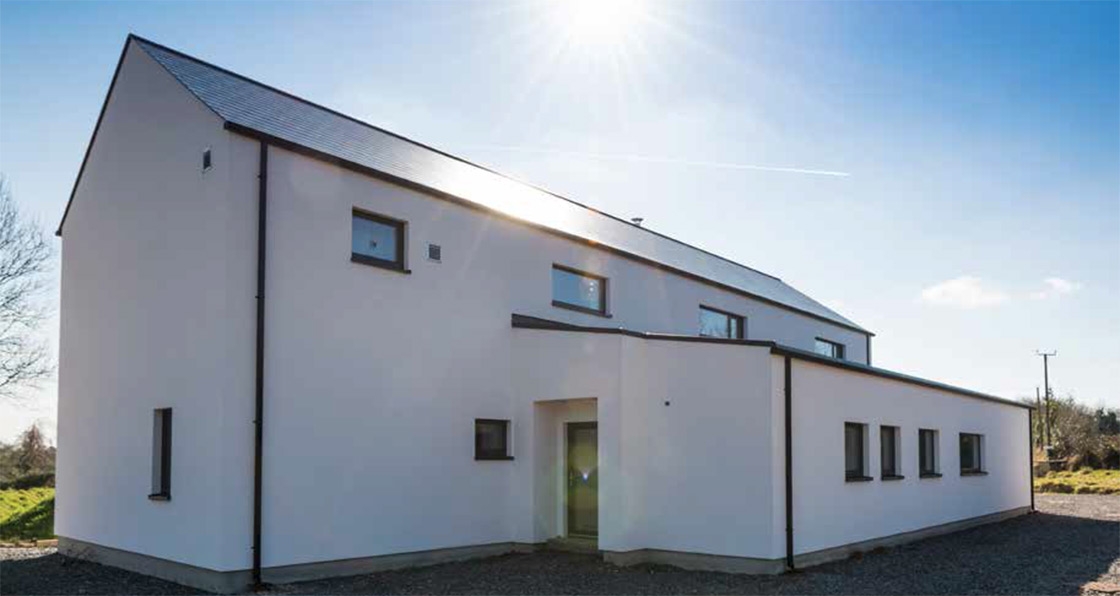
The abandoned husk of a 1960s school building sounds a very long way from a comfortable, ultra low energy family home. Thanks to a remarkable upgrade effort – influenced by reading Passive House Plus – one Fermanagh family are reaping the rewards of one such transformation.
Low energy Waterford retrofit with a classic look & feel
Written by John Hearne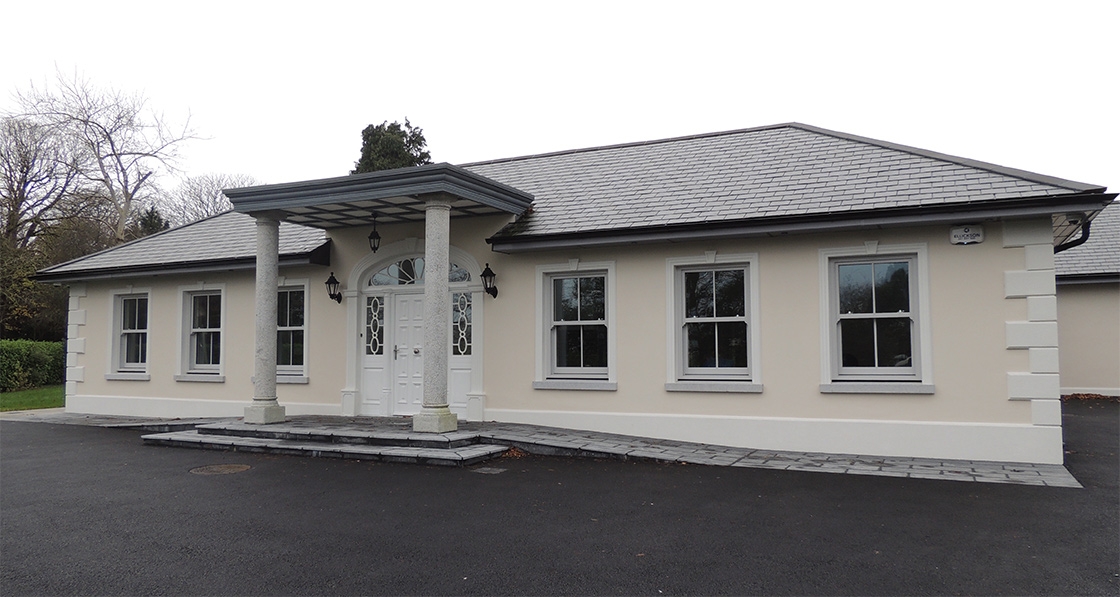
Builder Conor Walsh undertook an ambitious partial rebuild, partial retrofit to this 1960s bungalow, delivering deep energy savings and turning it into a modern family home
Bristol deep retrofit proves worth with monitoring
Written by John Hearne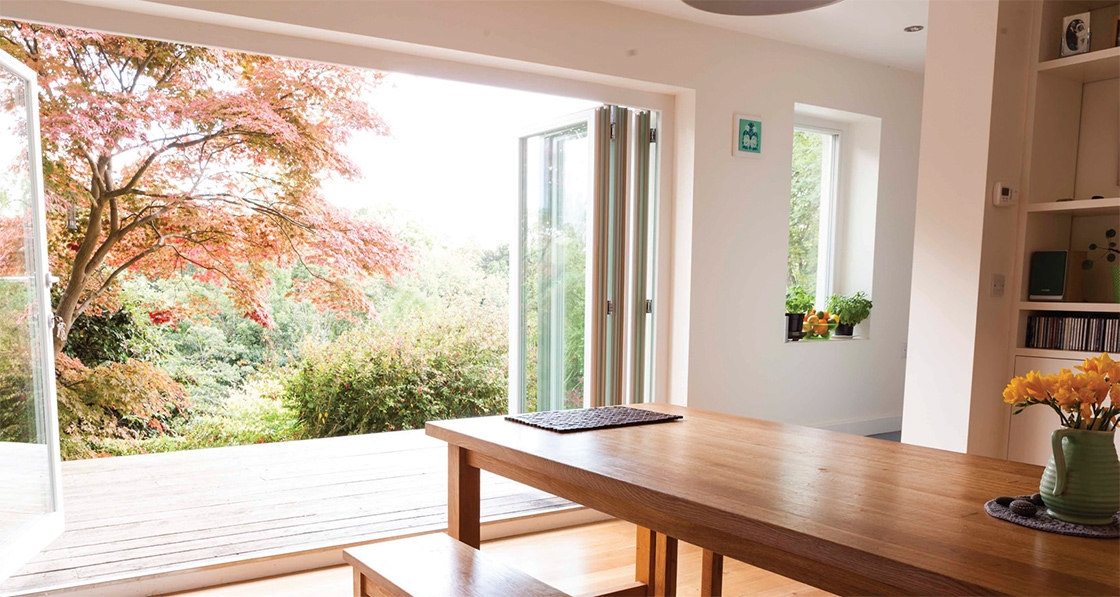
This unique energy retrofit in Bristol walked a fine line between ambition and pragmatism to deliver a healthy, comfortable and ultra-low energy home
The UK's greenest ever retrofit - 6 years on
Written by Lenny Antonelli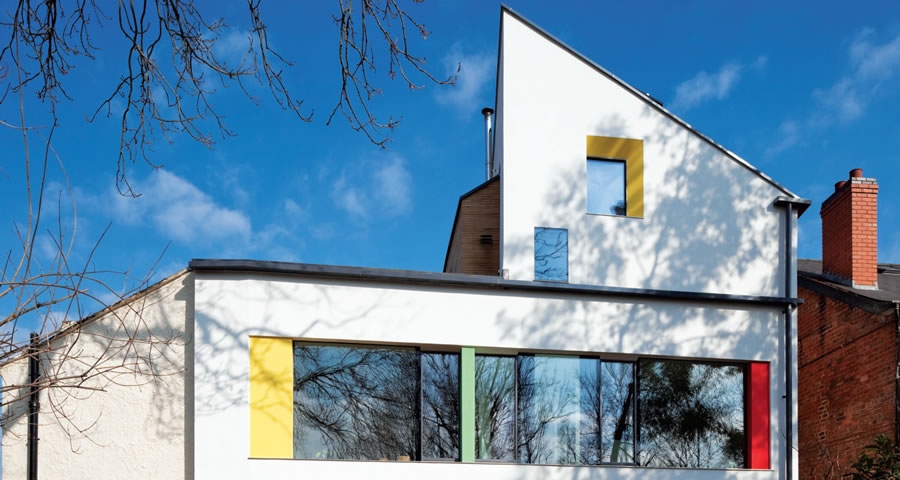
This pioneering upgrade project, completed in 2009, turned a Victorian redbrick in Birmingham into one of the UK’s greenest homes. Along with a much wider ecological agenda, the house employed fabric first principles of insulation and airtightness, and met passive house design targets at a time when the standard was still in its infancy in the UK.
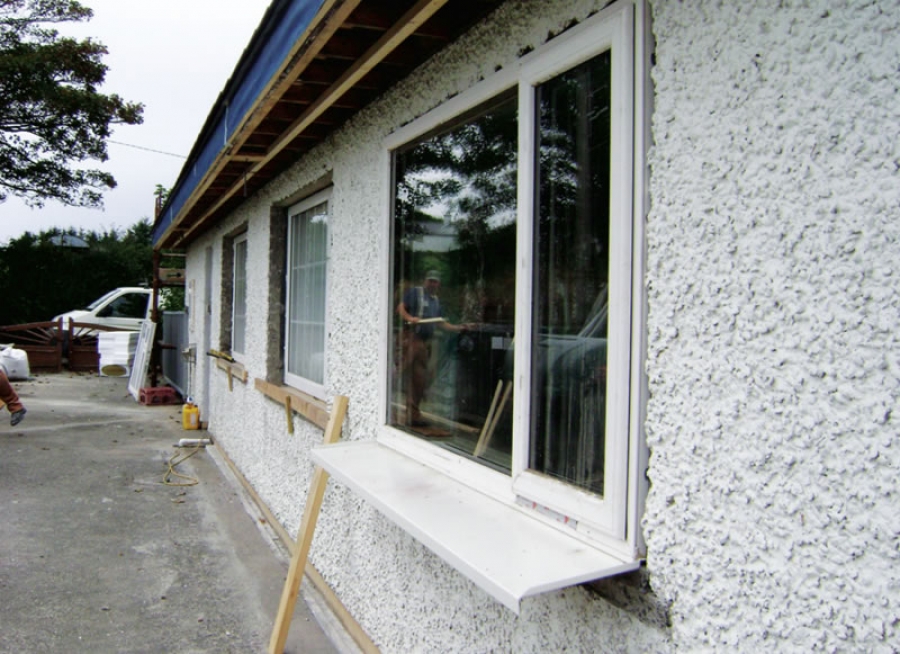
It’s taken Mick Kiernan more than 10 years to upgrade his Cork bungalow, and it’s still not finished. But along the way he discovered the passive house standard and let its principles guide his way towards a warm, airtight and healthy home.
Manchester social housing gets passive regeneration
Written by Lenny Antonelli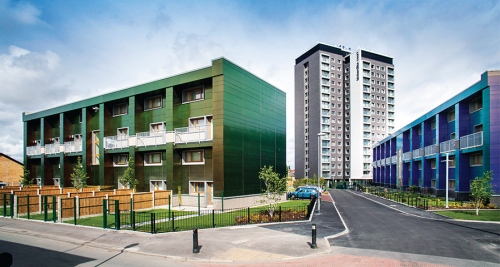
The upgrade of two social housing blocks in Manchester to the Enerphit standard demonstrates how deep energy retrofit can play a part in turning old, run-down estates into vibrant, comfortable, low energy communities.
Enerphit upgrade breathes new life into Dublin home
Written by Lenny Antonelli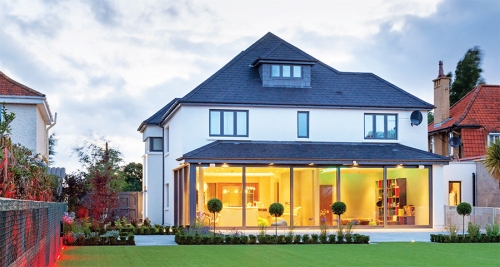
This ambitious and complicated project — a partial upgrade, partial rebuild of an old detached property in south Dublin — is on course to achieve the onerous Enerphit standard for retrofit.
Private Enerphit homes come to London rental market
Written by Lenny Antonelli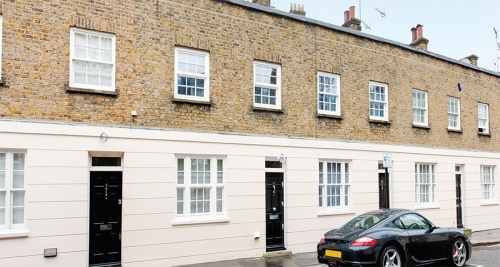
Grosvenor’s upgrade of two historic properties in Belgravia brings high-end passive housing to Westminster.
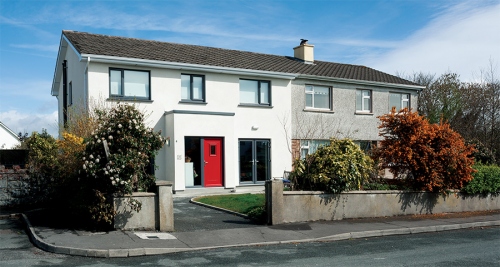
This 1960s Galway home was turned into a passive house - and is costing just €55 per year to heat.