

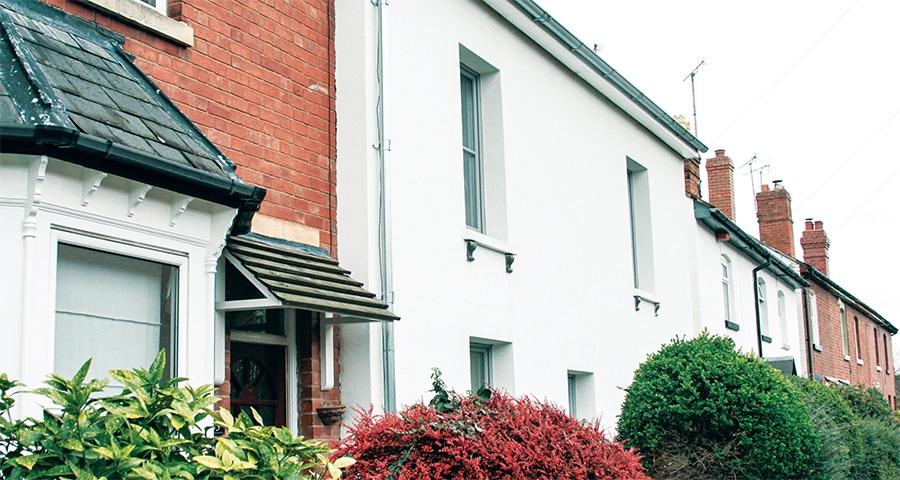
Fabric first retrofit rejuvenates Dublin social housing
Written by Jason Walsh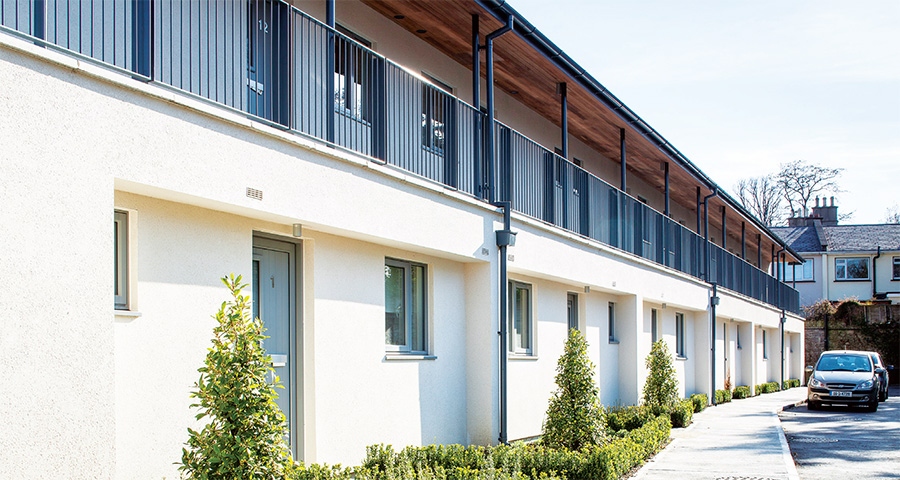
Built in the 1970s, Rochestown House was a cramped, cold and damp social housing block in Sallynoggin, Co Dublin that has now been completely transformed, thanks to a deep energy retrofit inspired by passive house principles.
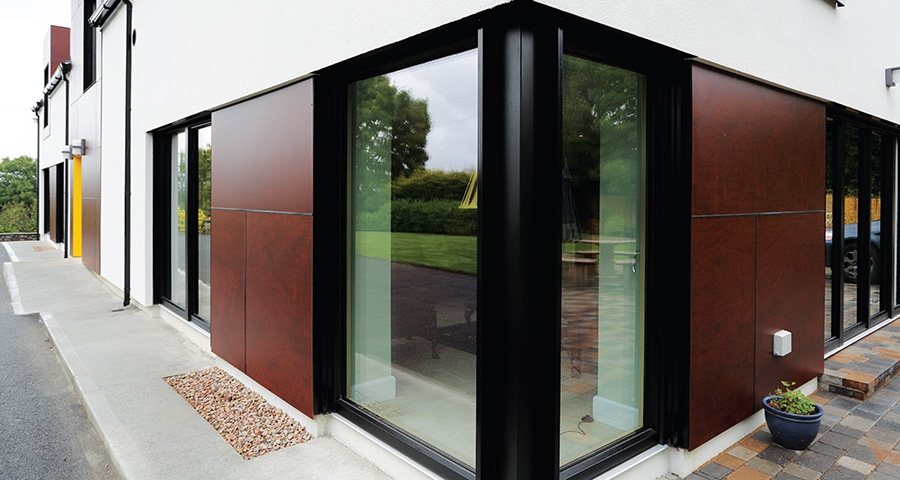
A passive retrofit in Co Meath offers a template that could be applied across much of the Irish housing stock: a long, dark, 1970s bungalow was transformed into a bright modern home that’s now warm and comfortable.
Passive retrofit emerges from ashes of 80s bungalow
Written by John Hearne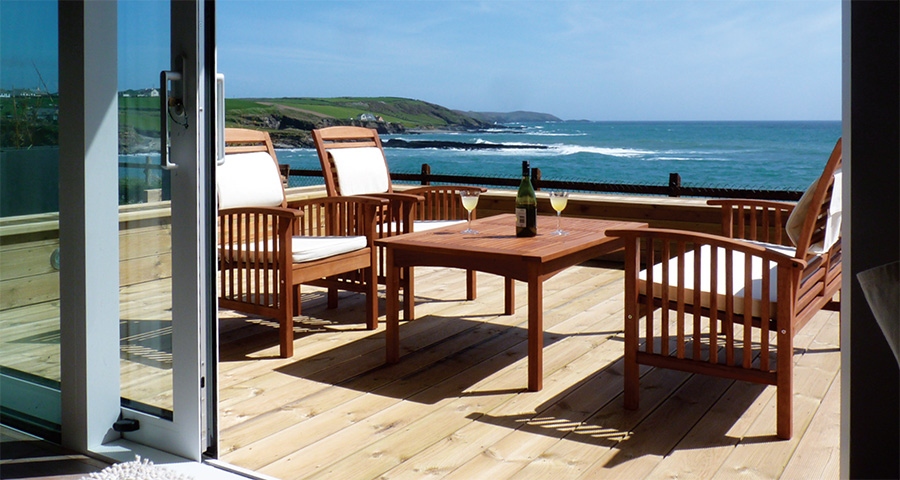
If you’ve ever wanted to take a passive house for a road test, one holiday letting on the coast of west Cork may be too good an opportunity to turn down. The aptly named Sea Spray – an as yet uncertified Enerphit upgraded bungalow – is a bona fide triumph in the face of adversity.
19th century barn gets 21st century fabric upgrade
Written by Lenny Antonelli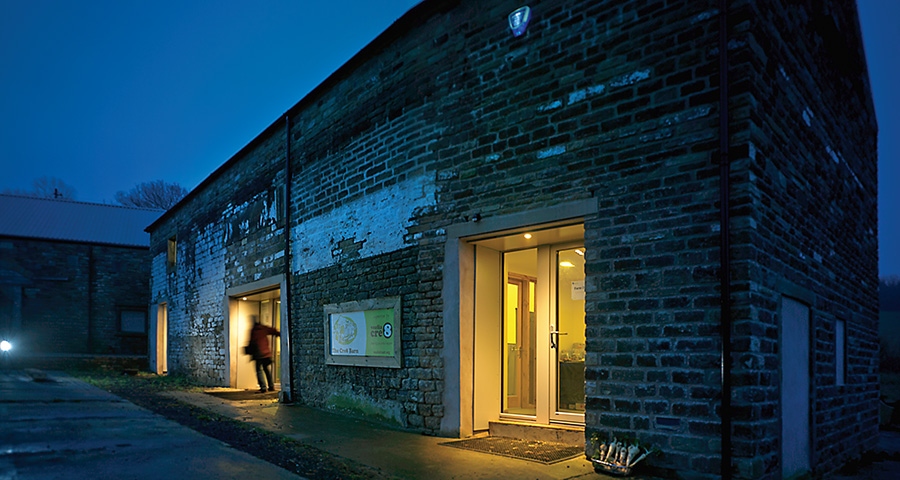
Hitting Enerphit – the passive house standard for retrofits – wasn’t challenging enough for one Yorkshire retrofit project. The team also had to stop the building falling down, and avoid wholesale changes to the building’s external appearance.
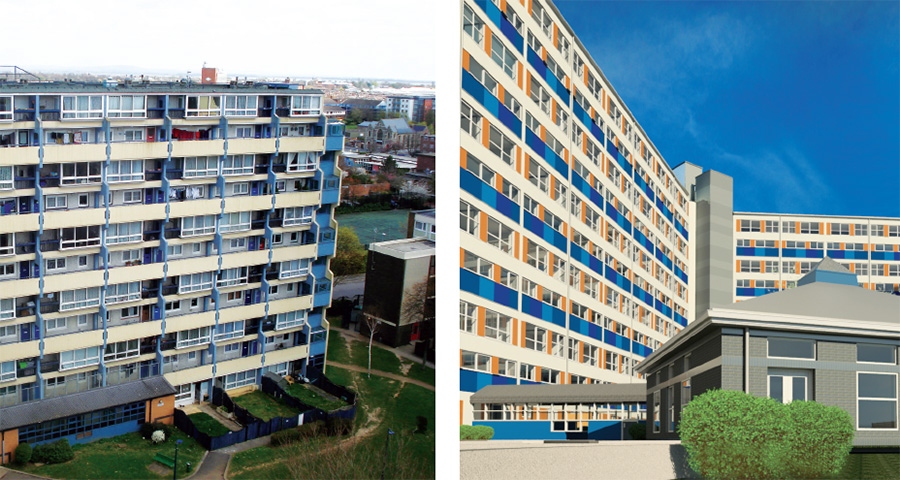
Britain and Ireland’s post-war social housing blocks are seen as ugly and uncomfortable, and suffer from high energy bills, damp and mould. But three ambitious renovation projects show the answer doesn’t always lie in demolition.
Deep retrofit brings Victorian home up to Enerphit
Written by Lenny Antonelli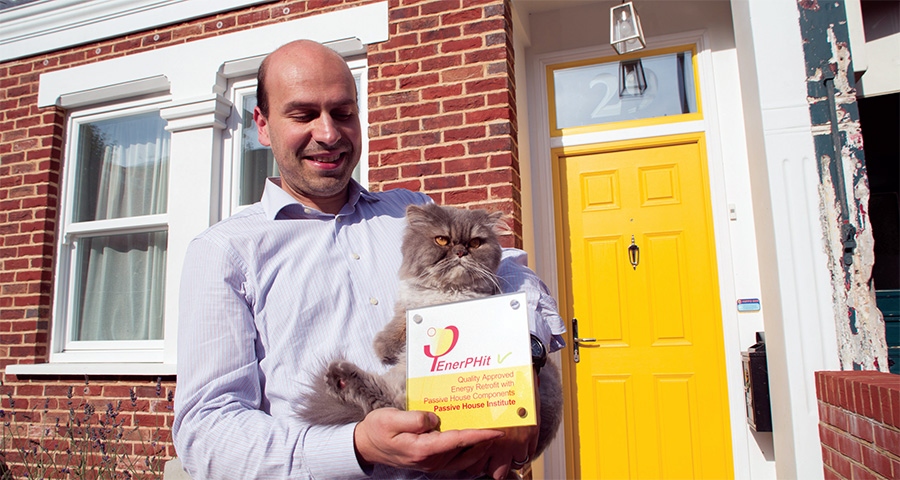
There was a time when insulating an historic property meant treading lightly on its building fabric. But today, guided by building physics, passive house designers continue to push the boundaries of retrofit by bringing old homes up to modern standards of super-insulation. This project is the third such deep retrofit to an historic London property by Green Tomato Energy.
London upgrade future proofs historic building
Harry Paticas, Alan Clarke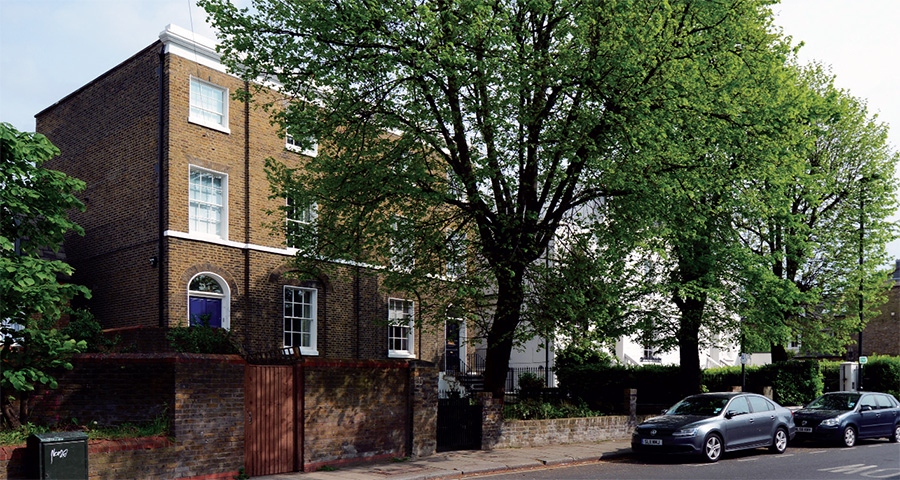
The general consensus is that it’s not appropriate to upgrade historic buildings to avant garde energy efficiency levels, creating a sense that conservation of the natural and built environments may be mutually exclusive concerns. Not so, argue Arboreal Architecture’s Harry Paticas and passive house engineer Alan Clarke in an updated version of a paper presented at the 2014 International Passive House Conference, about a highly experimental upgrade to a London townhouse that may point to a sustainable solution.
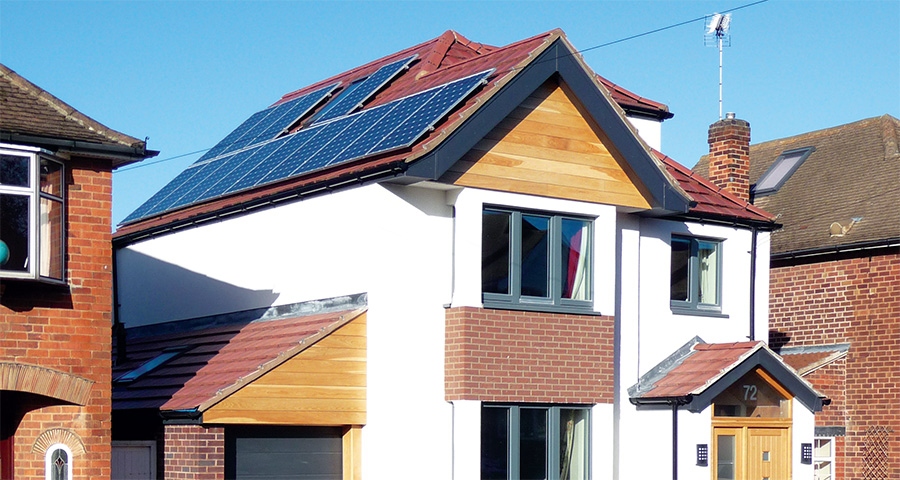
Tina Holt had experience advising homeowners on energy efficiency, so when she wanted a low energy home, buying a run-down 1950s dwelling and aiming to turn it passive was an obvious step. She tells her own story below.
Victorian upgrade hits 80% energy saving
Written by Lenny Antonelli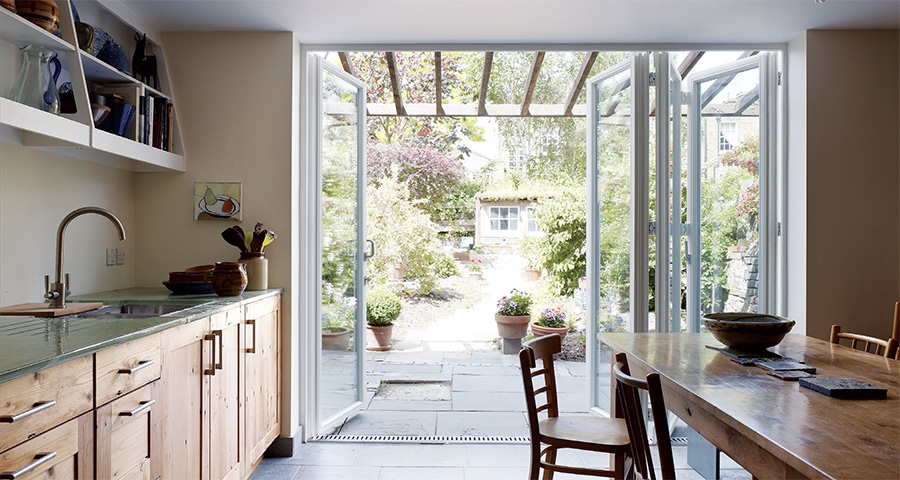
Most energy upgrades to historic homes in architectural conservation zones take a fairly gentle approach to insulation and airtightness — this one did the exact opposite.
Dublin hillside rebuild tackles low energy in stages
Written by Lenny Antonelli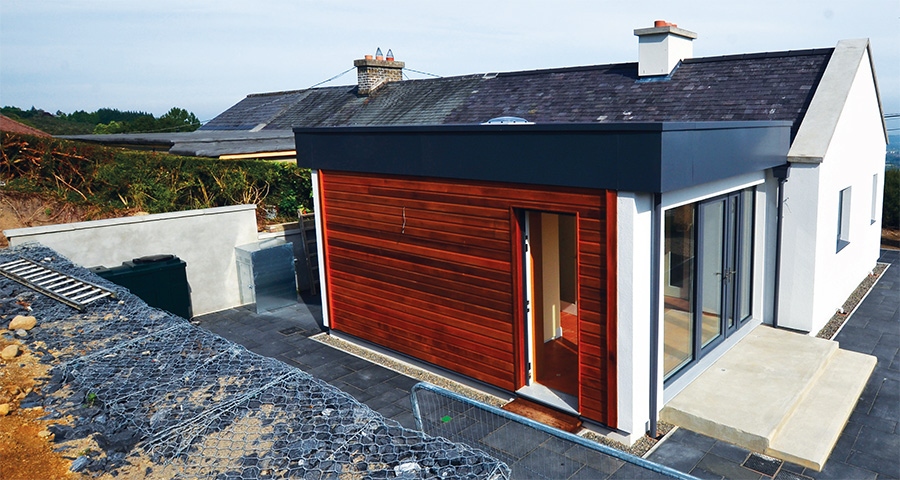
Some buildings are beyond saving, such as a south Dublin cottage which had to be knocked to deliver the first phase of a sleek new low energy home.
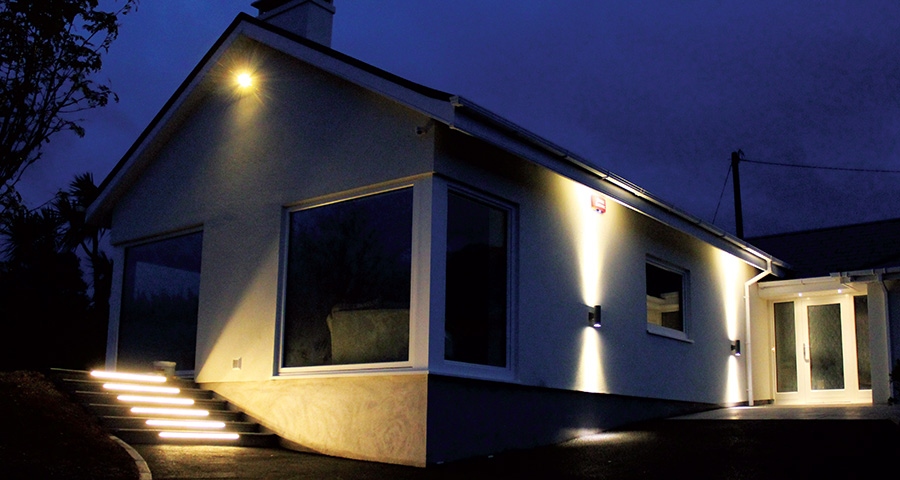
This upgrade and extension to a rural home in County Cork cut its energy use by almost 90%, bringing it to the cusp of an A1 Building Energy Rating.
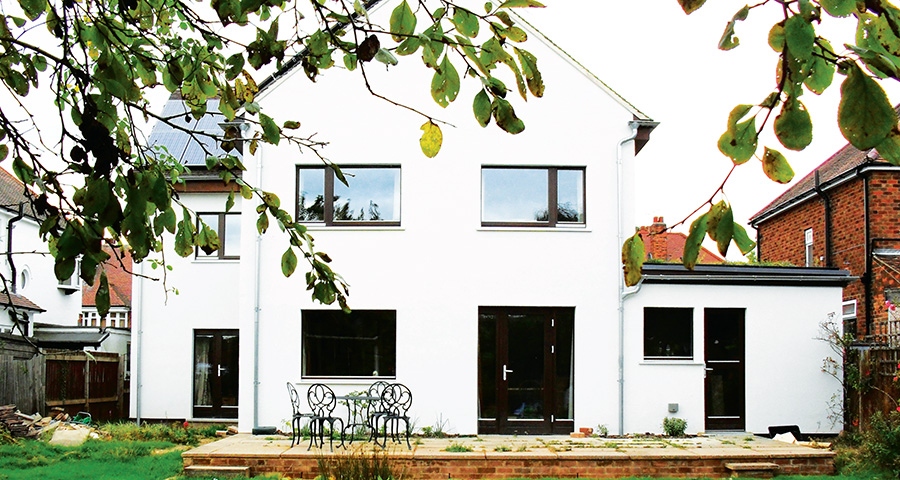
Hitting the Enerphit standard can be challenging for even the most seasoned passive house specialist, so what chances did Kate and Geoff Ball’s semi-d have when the architect and builder had no passive experience? With a well-planned approach and no end of enthusiasm, they passed with flying colours, as Kate Ball explains.
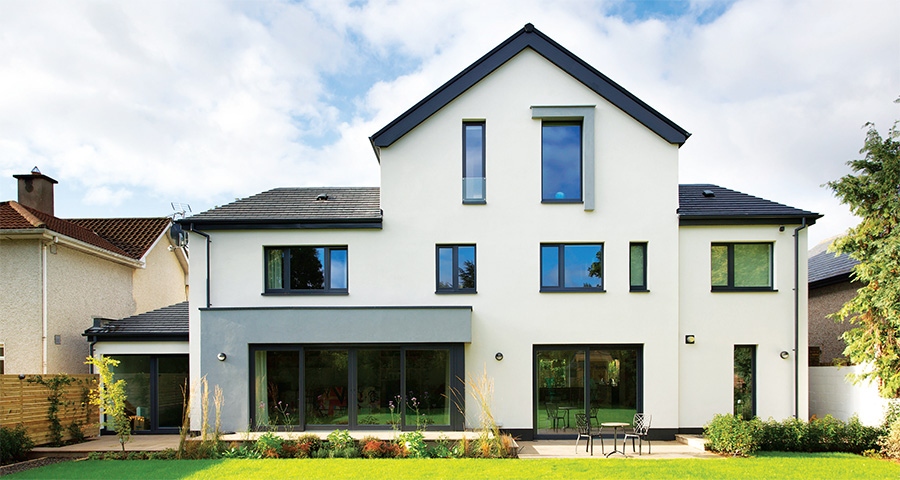
Cork home hits 94 percent heat reduction with Enerphit
Written by John Hearne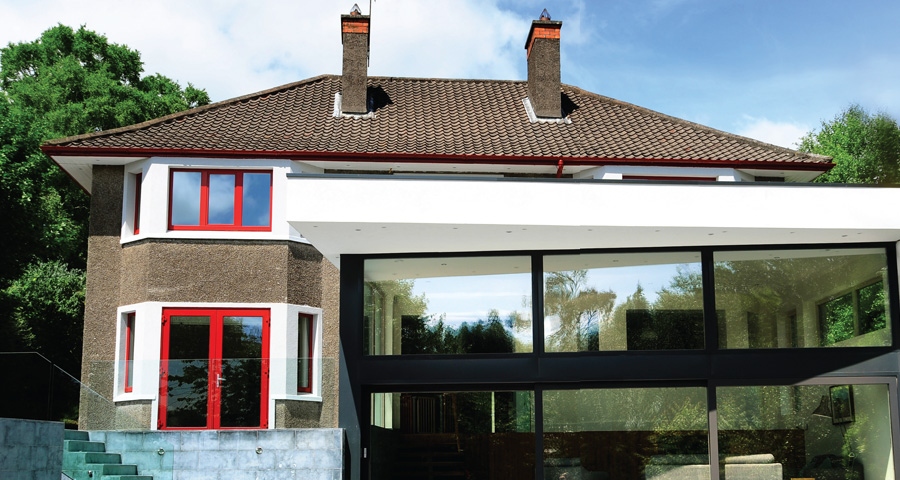
The vast majority of energy upgrade projects aim for low hanging fruit measures, and risk locking buildings and their occupants into needlessly high energy usage, environmental impact and discomfort. This recent home upgrade on the outskirts of Cork City shows what truly deep retrofit looks like.
1970s Devon home becomes certified passive B&B
Written by Lenny Antonelli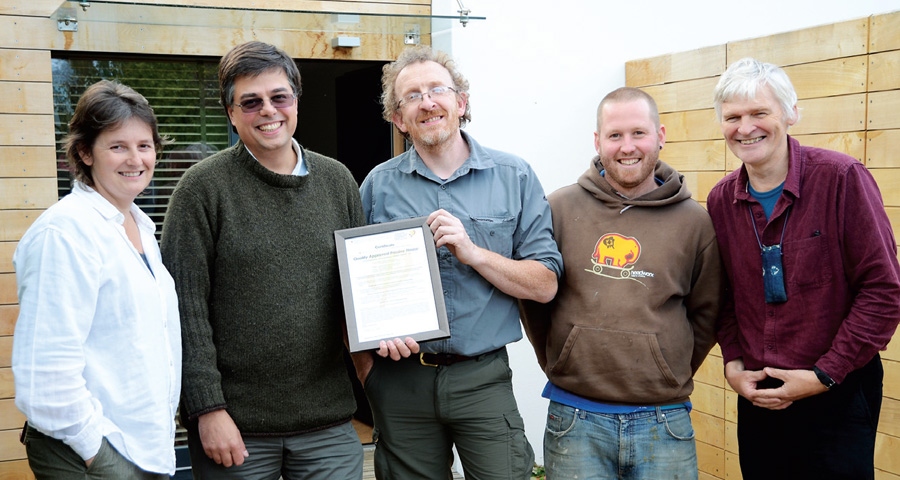
If you’ve ever wondered what it’s like to live in a passive house, a B&B in Devon could be just the ticket. The winner of the private housing award at the 2013 UK Passivhaus Awards, this upgraded 1970s home proves that even existing buildings can be made passive.
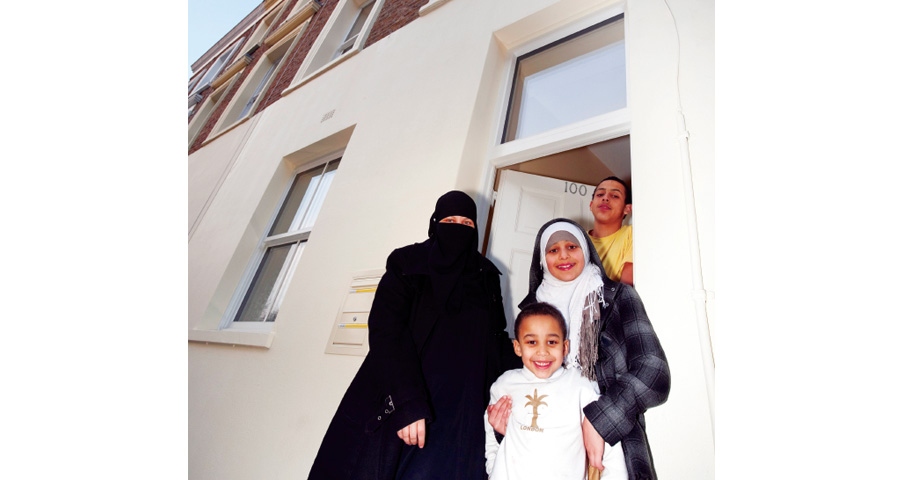
Turning an old Victorian home into a passive house is a painstaking job that would frighten many building professionals. But the team behind this innovative retrofit didn't just end up with a certified passive house, they got one of the lowest energy dwellings in the UK.
Cork engineering school pilots deep energy upgrade
Written by John Hearne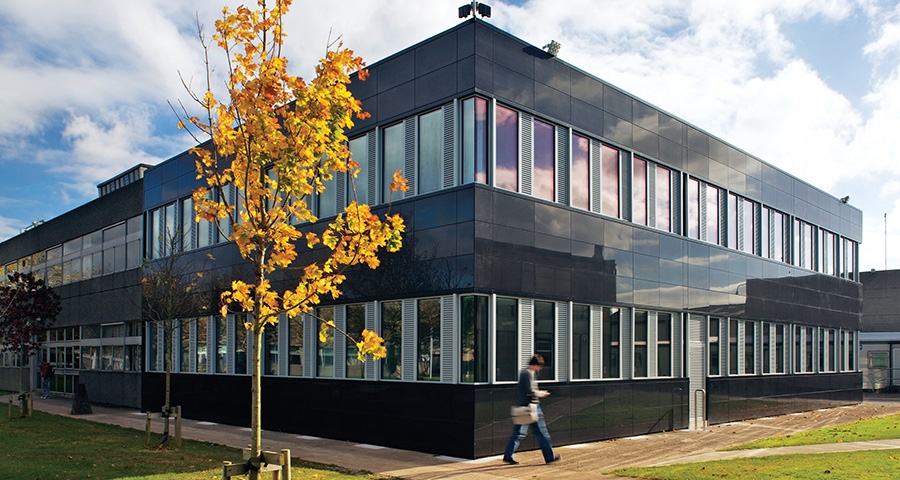
A recently completed pilot project by Cork Institute of Technology may be a model for bringing untenably inefficient and uncomfortable office buildings up to near zero energy performance levels.
Islington centre gets award-winning passive upgrade
Written by Lenny Antonelli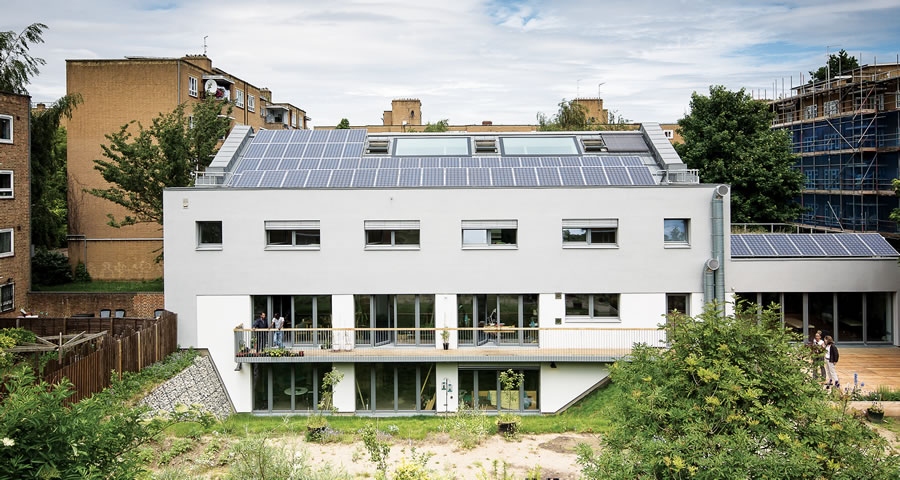
A community centre in a deprived area of north London has become one of the few buildings in the UK & Ireland to get passive house certification with a renovation.
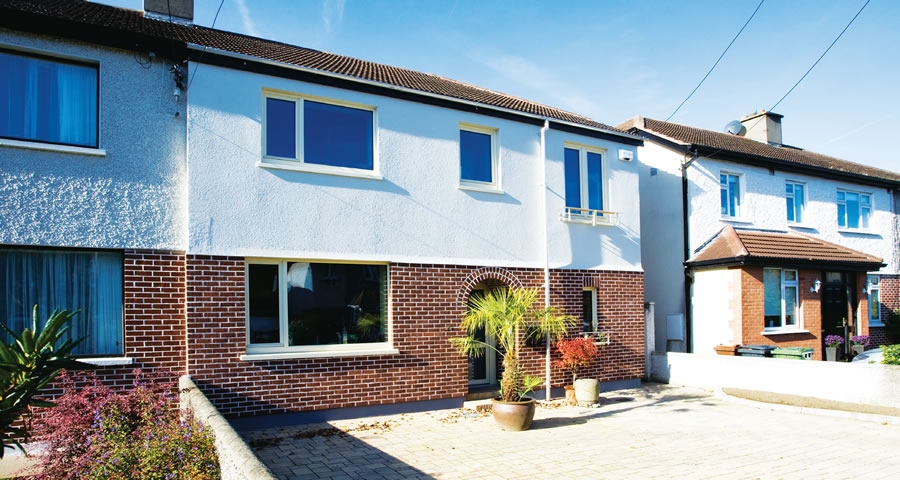
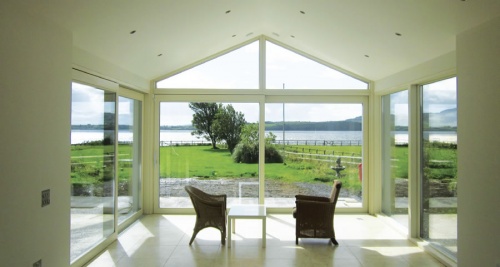
How do you make an old building liveable on Ireland’s wind ravaged Atlantic coast? The answer lies in the envelope, with airtightness, super insulation and the eradication of cold bridges
Certified passive nursing home extension breaks new ground
Written by Jeff Colley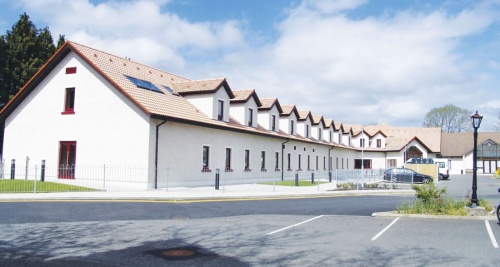
As Passive House Plus goes to press confirmation has come through that an extension to a nursing home in Celbridge, Co Kildare, has become the first healthcare building – and the first extension of any kind – to become certified passive.