Eamon Ryan, former Minister for Communications, Energy and Natural Resources (2007-2011)
 |
Once again energy security is an issue of concern right cross our globe. The price of oil is on the rise as people challenge the political order in the Middle East. The future for nuclear power hangs in an uncertain radioactive cloud over Fukushima. The spectre of climate change remains and is behind the recent rise in global food prices.
We have made real progress in Ireland in recent years by improving our energy efficiency and developing new renewable power supplies. However as a country we are still dependent on imported fossil fuels for 90% of our energy needs. The urgency in reducing this import bill has never been greater and presents one of the greatest challenges facing the new government.
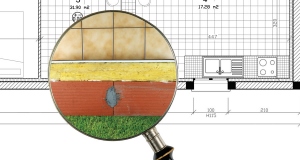
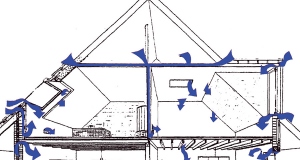
Fortunately the solutions to our fossil fuel dependency also present one of the best opportunities for creating a sustainable economic recovery in our country. Most parties went into the election citing the retrofitting of buildings for energy efficiency as central to their recovery plans. The new programme for government commits to increased spending on the existing retrofit programmes, before switching to a ‘pay as you save’ model in 2013.
In wishing the new minister Pat Rabbitte well in his task, I would advise he starts the transition to a new retrofitting model sooner rather than later. The Home Energy Saving scheme, Warmer Homes scheme and local authority home improvement schemes have been very effective but they need to be expanded and co-ordinated under a more comprehensive and co-ordinated support scheme.
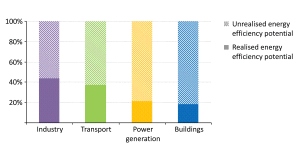
This new programme should involve improvements to commercial and public buildings, and private rented accommodation as well as domestic dwellings. We have committed to a 30% improvement in energy efficiency in the public sector by 2020. The most economic way of achieving this target is to reduce the need for water and space heating in every school, hospital and public building across the country. Making the savings will require us to push energy service company models where the upfront capital cost can be financed from future revenue savings.
We also need to turn around the business models of our energy utility and supply companies so that their profits are determined by how much energy savings they help achieve for our customers, rather than how much energy they supply. At the heart of a new retrofit programme has to be a new obligation system which measures and rewards the delivery of such savings by the energy companies.
The new government has the advantage that the department, the Sustainability Energy Authority of Ireland, the energy regulator and the main energy supply companies are already set on this course. A lot of preparatory policy work has been done. New funding arrangements are also in the pipeline via the tax relief proposal contained in the recent budget and from the possible application of the National Pension Reserve Fund into this long term investment opportunity.
We are also better placed because our construction companies are starting to develop the skills base we will need for this whole new industry. We are paying dearly for our recent reliance on new construction activity as a driver of economic growth. One of the benefits we can derive from our economic crisis is the development of a more balanced construction industry which promotes the upgrading of existing building stock and the provision of advanced building management services.
One of the greatest risks to the development of this new retrofit industry is if the quality of work is not up to the mark. This is one reason why we do need continued support measures from the state. So that we can ensure quality control measures are maintained so the public can have confidence that the right technological solutions are being applied.
Public enthusiasm for retrofitting clearly exists. The response to the likes of the Home Energy Saving scheme has been remarkable and will only increase as householders look to match what their neighbours have already done. The impetus can be maintained following two recent cold winters and will be enhanced as the adverts for house sales are mandated to show the energy rating of the building.
As I write, our Taoiseach is heading to the White House for a meeting with the US president for the traditional St Patrick’s Day celebrations. Perhaps one of the topics of conversation should be around the race for clean energy jobs that President Obama outlined in his recent ‘State of the Union’ address. With some pride our Taoiseach could outline how this country is already well advanced in the development of new smart metering, renewables integration, electric vehicles and retrofitting systems.
I can think of no better example of how our country is looking to the future. We have a story to tell which counters some of the negative publicity we have seen in recent times. It is a story we now need to develop further, particularly in this critical area of retrofitting. I wish the new government well as they continue this work. The recovery in Ireland should be green.