

From the Construct Ireland archives
Welcome to the archive of Construct Ireland, the award-winning Irish green building magazine which spawned Passive House Plus.
The feature articles in these archives span from 2003 to 2011, including case studies on hundreds of Irish sustainable buildings and dozens of investigative pieces on everything from green design and building methods, to the economic arguments for low energy construction.
While these articles appeared in an Irish publication, the vast majority of the content is relevant to our new audience in the UK and further afield. That said, readers from some regions should take care when reading some of the design advice - lots of south facing glazing in New Zealand may not be the wisest choice, for instance.
Dip in, and enjoy!
Stillorgan green upgrade
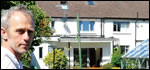
Four years ago the construction industry was focused on building big and fast — but at the same time, a small team was carefully and ecologically retrofitting a terraced Dublin house on a tight budget according to passive house principles.
Green Gains

In spite of the obvious emergence of technologies and design approaches to reduce the impact of new build, environmental standards remained poor throughout the duration of the housing boom. Now, a unique combination of political will, smart incentives, and a new market of informed and empowered buyers may be about to change that, writes Lenny Antonelli
Energy Labels

As Construct Ireland goes to press, the construction industry awaits Ministers Dick Roche and Noel Dempsey to sign off the long overdue timetable for implementing the Energy Performance of Buildings Directive, a piece of legislation set to make energy performance a key factor in property sales. But can Ireland train up enough auditors to label buildings by January 2006?
Critical mass
Thermal mass can significantly influence a building’s space heating requirement – in some cases the effect is to increase it, and in others to reduce it. Leading energy consultant Ciaran King of Emerald Energy explains how this occurs, and by describing an assessment of the topic, provides some rules of thumb regarding when thermal mass may be beneficial, and when it may be detrimental.
A room with a view
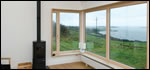
Nowhere demonstrates the need for a high-performance building envelope quite like a coastal site. John Hearne visited a cutting edge timber frame house overlooking Sligo Bay that was designed to achieve a highly insulated, air-tight and low embodied energy envelope whilst making the most of the spectacular vista.
True to Form
Adding to the list of developers aiming to deliver energy efficient housing, Cronan Nagle Construction are currently on site with 188 highly insulated, airtight homes in Ennis, co. Clare. The development, which also incorporates heat recovery ventilation and condensing gas boilers is surpassing the thermal requirements of Building Regulations by up to 45%, as John Hearne discovers.
Under rated

Mandatory for virtually all building types since January of this year, Building Energy Ratings have been met with little fanfare. Construct Ireland proposes a cost-free method of levelling the marketplace by ensuring compliance and increasing awareness of the BERs legal status. Jason Walsh explains.
Heavy electricity

SEAI recently proposed a series of changes to Deap — the software tool used to calculate BERs — including a reduction in its primary energy factor. But while this will benefit electrically-powered heating devices, some in the industry still feel systems such as heat pumps are disadvantaged by Deap and the BER system
In Defence of Height
Long-caricatured as resource destroying monsters clad in steel and glass, the skyscraper is rarely viewed as an environmentally sound form of architecture. Construct Ireland’s Jason Walsh looks at efforts underway to change that perception.
Pre Form Precision

The desire for better insulated, more environmentally friendly homes is driving ever more Irish self-builders to investigate alternatives to traditional block building. Jason Walsh visited a contemporary style factory-built timber frame house built in County Waterford in 2005.