

Draft new Part L energy efficiency regulations “disappointing”, critics say
Written by Kate de Selincourt
New building regs “tragic” for external insulation market
Written by News Desk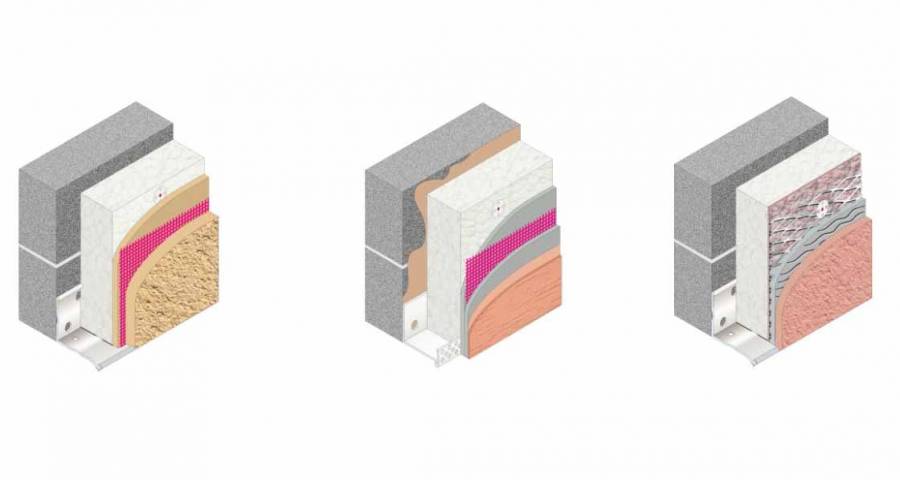
SEAI: Deap targets aren’t only way to meet Part L
Written by Jeff Colley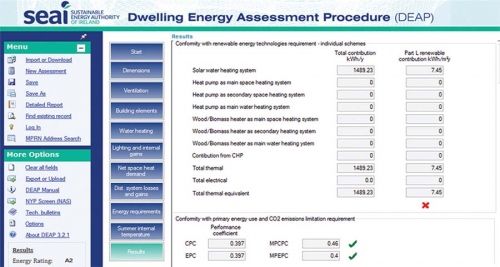
Specifications for new homes which fall short of energy performance targets in the Dwelling Energy Assessment Procedure software may nonetheless comply with Part L of the Irish Building Regulations, the Sustainable Energy Authority of Ireland has said. This is potentially a significant development for passive house, a proven ultra low energy building strategy which is often undermined by the relatively crude assumptions in the Irish regulatory guidance and Deap software.

The passive house standard may be acceptable as an alternative method of compliance with Ireland’s stringent energy efficiency regulations, according to a leading expert in energy and construction law, leaving the door open to a similar approach in the UK.
Irish construction industry not ready for new EU energy standards
Written by Lenny Antonelli
Nearly a third of construction professionals did not know about the nearly-zero energy requirement for all new buildings by the year 2020, according to a survey of Passive House Plus readers.
Two thirds of new Irish homes fail energy efficiency rules
Written by News Desk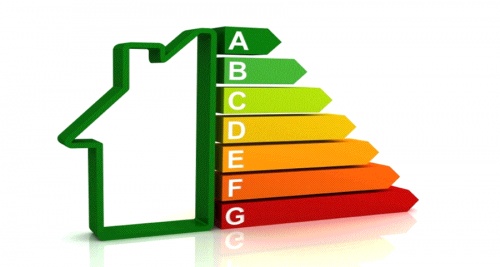
Less than a third of new Irish homes meet energy efficiency and carbon emissions regulations, according to new figures. The number of new homes meeting the rules has also declined dramatically since 2005, according to data released by the Sustainable Energy Authority of Ireland.
Government introduces new energy rules for dwellings
Written by News Desk
Environment Minister Phil Hogan has signed the new statutory instrument for Part L of the building regulations — which deals with energy efficiency in dwellings — into law, the department has confirmed to Construct Ireland.
The new regulations aim to deliver a 60% reduction in energy performance and carbon emissions for new dwellings compared to the 2005 standards, and will become effective from 1 December 2011.