

Displaying items by tag: Issue 24
Granite-hewn Victorian home upgraded to PHI low energy standard
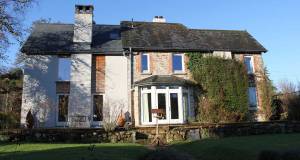
Built in 1850, this home in Dartmoor national park would have relied on local timber supplies for heating until the advent of widely-available central heating. One passive house-flavoured retrofit later, it’s back to its wood-burning roots – only this time with much less wood use, and much higher comfort.
Essex village becomes eco-pioneer with latest passive house scheme
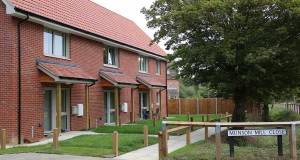
Hastoe Housing, a trailblazer in the development of affordable passive housing, have completed their second scheme in the Essex village of Wimbish — 11 houses whose simple and traditional building methods and materials mask cutting-edge energy efficiency.
From derelict shop to tiny low energy home

In 2014, one couple decided to give up life in a van and convert an old newsagents in Shrewsbury into a very small low energy home, using the principles of the passive house standard as their guide. So how did it work out, and what is life really like in such a small home?
The PH+ guide to air source heat pumps
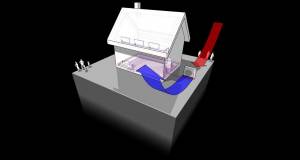
As electricity supply from renewable sources continues to grow, and electricity grids gradually decarbonise as dirtier fossil fuels are phased out, heating homes with electrical technologies like heat pumps starts to make more sense. And in the mild, temperate climate of Britain and Ireland, air source heat pumps are particularly suitable — especially as new build standards of energy efficiency continue to tighten, meaning new homes need less and less energy to achieve comfortable indoor temperatures. But how do air source heat pumps work, what types are there, and how much do they cost to run? Our in-depth guide attempts to answer the key questions.
Architect returns to roots with A1 rated 'house of the people'
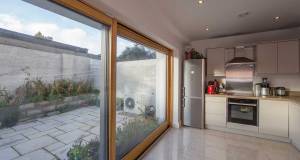
Architect Tom Duffy has long had an interest in green design, and working on a self-build project for himself and his wife he was able to prove a point: making a modest family home to the highest standards need not cost the earth.
Ireland's new central bank hits nZEB & BREEAM outstanding eco rating

Rising from the shell of the stalled riverside headquarters of Anglo Irish Bank, Ireland’s financial regulator could be accused of insensitivity for choosing as its new home a site that became a toxic symbol of the banking crisis, but the building is not without virtue: it comfortably surpasses the proposed nearly zero energy building standard while achieving the onerous Breeam ‘Outstanding’ rating for sustainability.
International: Issue 24
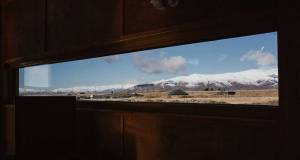
A selection of passive & eco builds from around the world, this issue features a rustic holiday home in New Zealand designed using the key principles of passive house design, and the 26-storey House at Cornell Tech, New York, now the tallest certified passive building in the world.
The prebiotic passive house

As understanding grows of the importance to human health of good bacteria in our environment, and new hospitals in the US start to undergo ‘prebiotic’ treatment, Dr Peter Rickaby asks how long it will be before microbiology becomes a core part of building design.
1948: The Dover Sun House

In his second column on visionary eco-buildings of the 20th century, Dr Marc Ó Riain looks at the Dover Sun House, which used a pioneering salt solution to capture and store solar energy
The dazzling Dalkey home with a hidden agenda
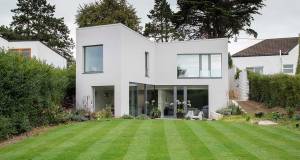
Even in the era of climate change, there still appears to be something of a split in the world of architects between those who prioritise sustainability, energy efficiency and occupant health, and those who put design and aesthetics first. So it’s refreshing to find that the designer of this contemporary Dublin home put so much attention on insulation, airtightness and indoor air quality — as well as good looks.
Disastrous Preston retrofit scheme remains unresolved
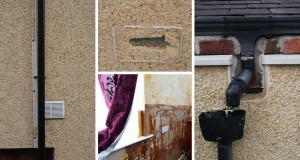
A disastrous failed external insulation contract run under a government energy saving scheme has affected up to 390 homes in Preston with water penetration, mould and damp.
Why housing isn't viable
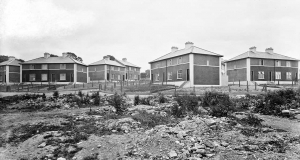
It is simply not possible for developers to build housing in cities like Dublin and sell it for a reasonable price without making a loss, writes architect Mel Reynolds — instead, we need meaningful affordable housing schemes.
Chair of post-Grenfell fire review “shocked” by construction culture

The engineer tasked by the UK Government with examining building fire safety regulation in England following the Grenfell fire has said she is shocked by construction practices. The industry urgently needs to change its culture, and “clearly identifiable” individuals must take responsibility for what is built, she concludes.
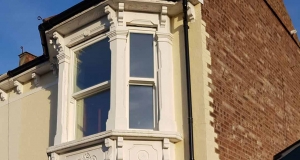
VictorianSASH windows revitalise historic Portsmouth home
Viessmann boilers keeping visitors warm at revamped Postal Museum
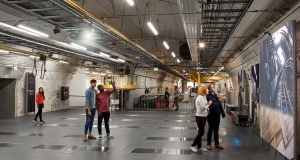
Viessmann boilers have been specified for the revamped Postal Museum, which has recently opened its doors to visitors after a major £26m redevelopment supported by the Heritage Lottery Fund.
Northern Ireland to get world's first educational ‘passive house premium’ building
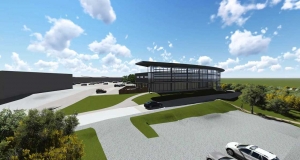
Northern Ireland’s South West College has announced that its new Erne Campus in Enniskillen will include the first educational building in the world built to the new passive house premium standard. The campus will be constructed on the site of the former Erne Hospital.
Brady Energy Consultants now offering passive house guidance
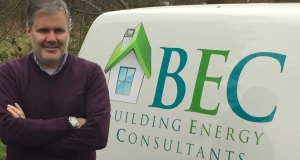
Brady Energy Consultants, the leading Mayo-based providers of energy consulting services, have announced that senior energy consultant Cathal Brady has become a certified passive house consultant, and that the company will add thermal modelling to its range of services in 2018.
Ecological announce ‘Ecobuild 2 nZEB’ course
Going A1-rated & certified passive lifts build costs by 0.1%
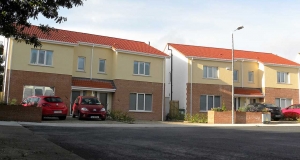
The extra cost of building to certified passive house levels – while also scoring an A1 BER – is as low as 0.1%, research at Ulster University has shown.
Government announces suite of retrofit grants
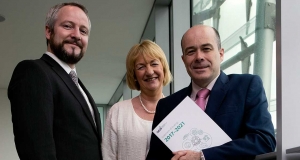
Healthy building focused event comes to London on Valentine’s Day

Buildings can be conceived and delivered in new ways that enhance the mental and physical health of occupants. That’s the message the Alliance for Sustainable Building Products (ASBP) will be sharing with delegates at the ASBP’s Healthy Buildings Conference and Expo 2018 on 14 February.
UK & Irish green building associations set to merge

The Environmental and Sustainable Construction Association (Éasca) is merging with the Association for Environment Conscious Building (AECB), the two organisations have announced.
New passive secondary school in Sutton gets green light
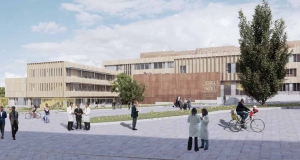
A major new £36m secondary school in Sutton, designed by passive architecture specialists Architype, has successfully received planning permission.
ECON Polyurethanes launch new, greener spray-foam insulation
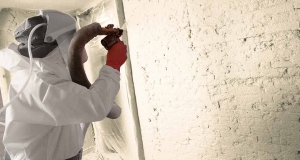
ECON Polyurethanes have recently launched the new BASF Elastospray LWP (low warming potential) spray-foam insulation system to the UK and Irish markets. According to BASF, Elastospray LWP “combines maximum insulation performance with the best possible environmental protection”.
Keystone launches advanced new Hi-therm+ lintel
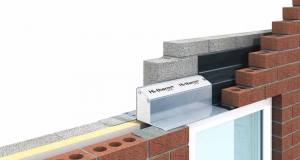
Keystone Lintels has announced the launch of a new advanced version of its award winning Hi-therm lintel. Hi-therm has won multiple awards for innovation, and Keystone said that its design has now been upgraded to offer “even greater practicality to builders and to extend its benefits to a wider range of projects”.
Passive House Systems gets first ever NSAI Agrement cert for solar PV
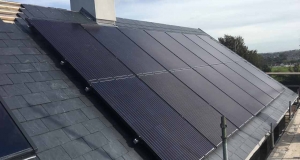
Leading Cork-based sustainable building product supplier Passive House Systems has just been awarded the first ever NSAI Agrément certificate for a solar PV system.
Ancon to launch new products at Ecobuild 2018
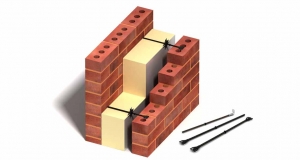
Ancon will be launching its latest fixing innovations at Ecobuild between 6 and 8 March at the London ExCel centre, at stand number C62.
Amvic Ireland ICF gets updated Agrément cert
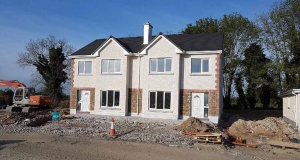
Smart buildings & cities the focus of Light + Building 2018

Analysis: 12,000+ homes built in 2017 – as energy standards marginally fall
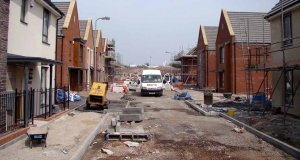
In excess of 12,000 homes may have been built in Ireland last year, new analysis by Passive House Plus has revealed – with a marginal decline in energy performance evident as housing activity increases.