

Displaying items by tag: UK
Mass appeal
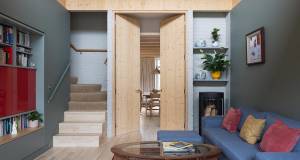
An architect’s four-year quest to build his family home on a Dublin laneway demonstrates how mass timber can maximize space and character in the tightest urban sites – with award-winning results, and fascinating performance insights.
Additional reporting by Jeff Colley
AECB seeks executive director to lead green building push
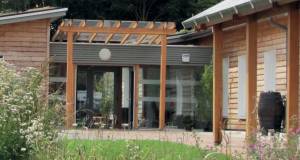
The Association for Environment Conscious Building (AECB) is recruiting an executive director in what the organisation describes as a rare opportunity to shape the future of sustainable construction in the UK
Embody language
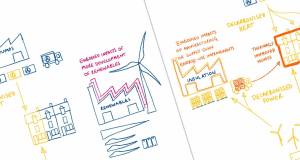
With an increasing emphasis on the electrification of heat as the electricity grid decarbonises, interest in reducing the embodied carbon of buildings is growing. But does a focus on embodied carbon alone risk giving needlessly energy intensive ways of making buildings a free pass? In the first of a new series of articles, Dr Lois Hurst journeys into understanding embodied and life cycle impacts in construction.
Peaky blinder
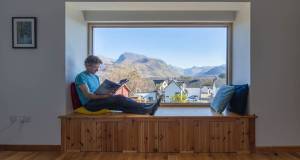
From frozen tea to thermal bliss: energy specialist Esmond Tresidder transformed his leaky 1970s Highland home into one of the highest performing retrofits ever featured in these pages, combining academic knowledge with hands-on retrofit innovation to create a comfortable, healthy family haven with breathtaking views of Ben Nevis, proving that even Scotland’s most challenging climates are no match for passive house principles.
History repeating

Through passion, patience, and architectural expertise, a 16th century Carmel-ite friar’s cottage in Kinsale, owned by Passive House Plus columnist Dr Marc Ó Riain, has achieved what many thought impossible— an A1 energy rating for a Tudor-era building. But not without challenges.
King of the castle
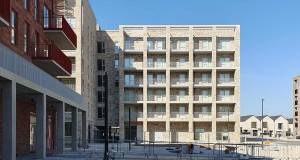
Ireland's largest passive house development to date, Shanganagh Castle, is proof that with proper planning and collaboration, delivering high density housing doesn’t mean compromising on quality or climate action – without increasing costs or causing delays.
Energy poverty and electric heating
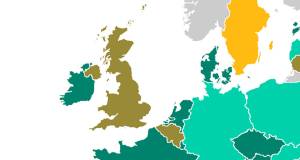
As electricity decarbonises, the case for switching from fossil fuel boilers to efficient use of electricity to heat buildings via heat pumps has become overwhelming. But in markets like the UK where electricity is far more expensive than the European average, and people on low incomes may be chronically underheating poorly insulated homes, could a drive to electrify heating exacerbate energy poverty?
New Ejot profile cuts thermal bridging losses by 25mm insulation equivalent
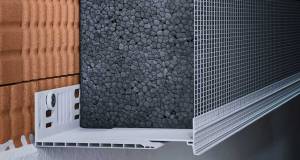
A thermal bridging issue that has long plagued external wall insulation systems at building base levels could be costing homeowners the equivalent of 25 mm of insulation thickness, according to new independent testing.
Build Homes Better updates Isoquick certification to tackle brick support challenge
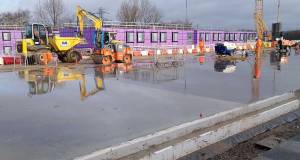
Build Homes Better has secured an updated KIWA Agrément certificate for its Isoquick insulated foundation system, adding a brick support detail that solves a critical structural requirement set by leading warranty providers including the National House Building Council (NHBC).
Material matters - A palette for a vulnerable planet
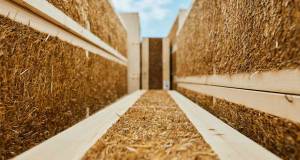
In recent years, the drive to reduce the embodied carbon of buildings has led to a resurgent interest in timber and other biobased building materials. But peering into the future, if we are to think not just about carbon but also land, water, and regenerating nature, how might we build to meet our essential needs, and what might we build with?
By Lenny Antonelli and Andy Simmonds
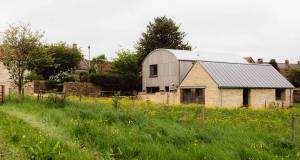
Derelict to dream home
Storm breaker
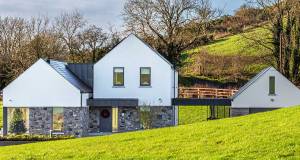
Five years ago, a fabric first trailblazer took a dose of his own medicine – and delivered a family home that combines climate action, comfort, cost-effectiveness and resilience in the face of a record-breaking storm.
Enniscorthy to host ‘make or break’ sustainable building summit
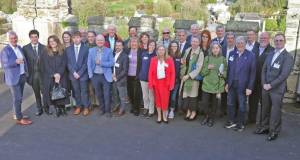
As global temperatures soar, an Irish organisation is bringing experts together this month for a summit on the future of sustainable construction.
Ecocem executive John Reddy becomes the first Irish President of the Institute of Concrete Technology

Reimagining the architect

It’s a radical idea: that to negate the environmental damage of construction, we don’t just need to build sustainably, we need to build less. However, most architects and building designers earn a living by doing exactly the opposite: by building stuff. So how can the design practice be reinvented for a world in which we need to do more with much, much less?
Pump up the volume
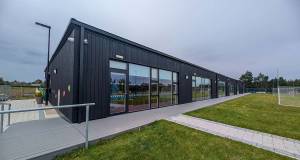
Forgive the 80s hip hop house reference in the headline, but the volume of the walls in this volumetric modular school building in Birr was literally pumped up – with recycled newspaper insulation. Built to passive house principles, it’s a story of one Roscommon manufacturer reimagining the role that offsite methods can play in the delivery of highly sustainable permanent accommodation for schools – while delivering exceptionally low embodied carbon results. Additional words - Jeff Colley
Just what the doctor ordered
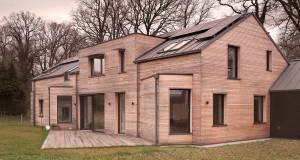
What do you get when a clinician couple decide to build their dream family home? In the skilled hands of leading Scottish architects Paper Igloo, you get a forensically detailed, highly ecological, cosy home that wraps up low embodied carbon and passive house into a beautiful design.
Bay window
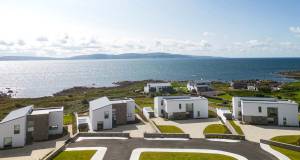
Designing a passive house is one thing. Designing a scheme of passive houses to make the most of the views on an extraordinary coastal site is another. And designing that scheme to tie into the local supply chains and architectural vernacular – while ensuring the homes are set up for changing, potentially disengaged occupants – is the stuff of magic.
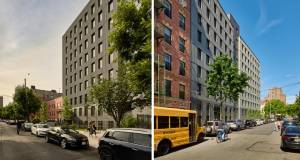
Big picture - Passive towers protect vulnerable Bronx seniors
Hot topic

Green homes key to climate and housing crises and rebuilding Ukraine

The Smarter Finance for EU consortium, which is aiming to unlock €100bn worth of green homes across Europe, announced the launch of a European centre of excellence to promote green home certification and investment across Europe at the Irish Green Building Council’s annual residential conference in Dublin.
Green shoots for green building

While tokenistic or poorly conceived attempts at supporting the decarbonisation and greening of buildings still abound in the finance sector, there are signs of structural changes on the horizon - changes designed to unlock widespread change. But do those changes go far enough?
Pathway to passive or road to ruin?

As governments come under increasing pressure to make real and significant reductions in energy use and carbon emissions while tackling energy poverty, interest in passive house has never been higher. But short of expecting regulators to commit to certified passive house, is there a way of adopting the key principles that make passive house work?
By Nick Grant and Peter Wilkinson
Living proof
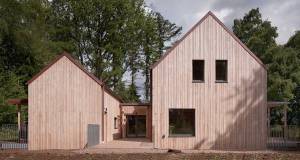
Sometimes a building comes along that does almost too much. Passive house stalwarts Kirsty Maguire Architects’ latest opus is an award-winning architectural, engineering, and sustainability feat – which asks questions not just about how we build, but how we live.
Ace of Herts
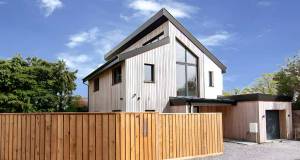
Fancy owning an energy positive, timber-based passive house in one of the most desirable locations in England, without the hassle of having to build it yourself? A new three-house development nearing completion in Hertfordshire may be just the ticket.
Passive breakthrough
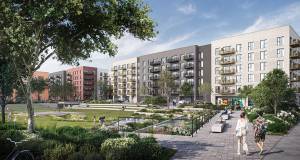
In September Cairn Homes lit the fuse on a passive house explosion, publishing a position paper on passive house and announcing the construction of nearly 1,800 apartments to the standard. But what’s behind the company’s bold move?
Airtight delight
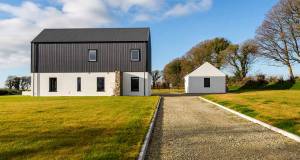
The proof in the pudding with a notionally low energy building is in the eating. Since moving into their new passive house a little under two years ago, the Murray family’s heating costs have been scarcely believable – in a home that also blitzes the embodied carbon targets in the RIAI 2030 Climate Challenge.
Emma Stone show puts passive house up in lights

Sometimes reality is stranger than fiction. And sometimes strange but breathtaking fiction subverts reality.
In issue 47 we took a break from our normal approach to Big Picture, with good reason: passive house playing a starring role in an extraordinary US TV show.
Carbon first, fabric second
Much ado about nothing
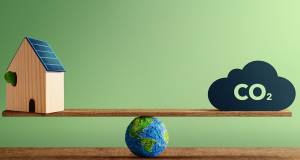
As the world edges ever closer to the precipice of runaway climate change, some sustainability terms have moved from relative obscurity towards the mainstream of marketing and public discourse – and none more so than zero carbon. But is zero carbon construction a real prospect, or is it just wishful thinking?
Words by John Butler and Andy Simmonds