
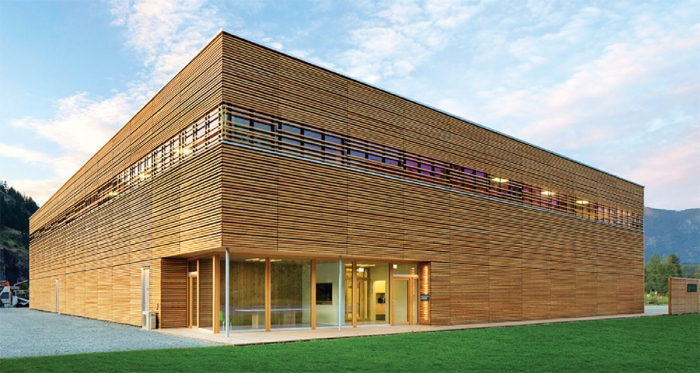
This issue’s international selection features a developer-built passive house in Philadelphia, a big new research centre in Frankfurt, a sleek family home in Vienna, and a new low-energy factory in Canada where passive timber buildings will be prefabricated.
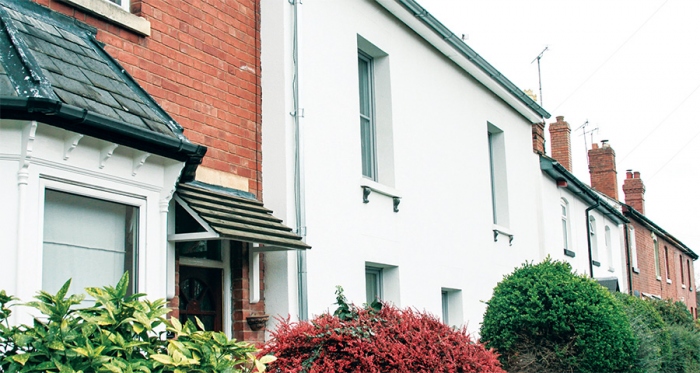
Fabric first retrofit rejuvenates Dublin social housing
Written by Jason Walsh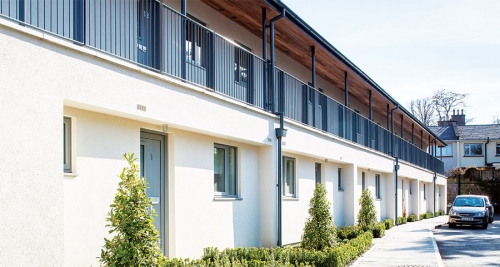
Built in the 1970s, Rochestown House was a cramped, cold and damp social housing block in Sallynoggin, Co Dublin that has now been completely transformed, thanks to a deep energy retrofit inspired by passive house principles.
Pennine farmhouse marries traditional style with passive performance
Written by Lenny Antonelli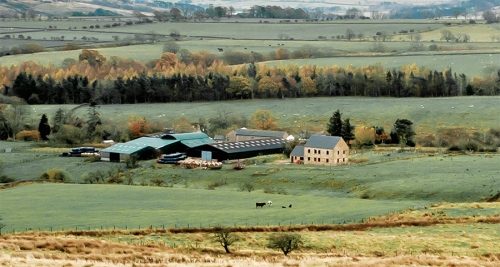
From a distance Steel Farm looks like a traditional Northumberland farmhouse, with its sandstone exterior and cluster of outbuildings. But inside, it is something very different.
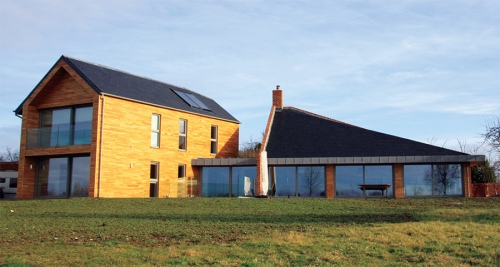
When Mike Jacob of Trunk Low Energy Building started planning to build this unique Essex home, it seemed likely to run way over budget, and still fail to meet the passive house standard. But rethinking key details and making tough compromises got the house within touching distance of passive, while slashing costs.
Hereford archive chooses passive preservation
Written by Kate de Selincourt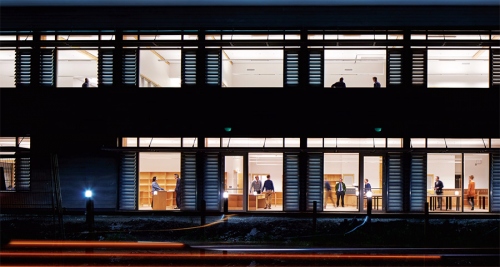
Safeguarding historic documents and other artefacts requires stable building conditions. Until now this was usually achieved with the expensive and energy-hogging use of heating and cooling equipment, but a new approach by Herefordshire Council used the passive house approach to conserve energy, money — and the county’s precious historical archives.
Smart Dublin passive house shows tiny heating bills
Written by Desmond Crabbe
Building this stylish south Dublin passive house, which recently picked up a Made in Germany energy efficiency award, demanded a steep learning curve, not least when it came to airtightness — but despite the struggles, it ultimately gave its owners their dream low energy home.
Words: Des Crabbe, architectural technologist, OA Studios
Motivated by the experience of building and living in a passive house, one of Ireland’s leading political figures has become a public advocate for the standard. Passive House Plus visited the house to find out why.
Late last summer, work finished on architect Paul McNally’s latest super low energy project: a three-storey building in Tipperary that has just become Ireland’s first certified passive house pharmacy.
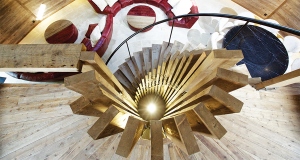
This issue’s international selection of passive and low energy building includes two homes built for retirement —one in Austria, one in New Mexico — a striking house in a Romanian forest, and an out-of-this-world passive-certified dome in tropical south-west China.
More...
Bavarian building first in world to earn passive house premium cert
Written by Jeff Colley
One of the world’s most sustainable buildings stands in Bavaria: as the first of its kind, a mixed residential and commercial project in the town of Kaufbeuren has met the criteria for passive house premium certification. With a heating demand of only 8 kWh/m²yr, it is uniquely energy efficient. At the same time, a 250 sqm photovoltaic system on the roof produces renewable energy.
Low energy building isn’t complicated, but it’s easy to get wrong. Since Irish house builders downed tools en masse when the last boom ended, energy efficiency standards for new homes have seen unprecedented rises of 40% in 2008 and 60% in 2011, shooting far ahead of the UK. But with signs of a new boom emerging, can the industry get to grips with this brave new world of insulation, airtightness and thermal bridging and deliver healthy low-energy homes — or are damp and mould set to become the norm in new build?
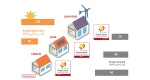
The Passive House Institute’s announcement of new classes of passive house certification – including renewable energy generation – at this year’s International Passive House Conference caused something of a stir. Dr Benjamin Krick, the institute’s head of component certification sheds some light on the new classes and explains the rationale behind proposals which may set up passive house for a fabric first approach to near – and sub – zero energy building.
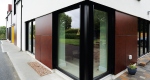
A passive retrofit in Co Meath offers a template that could be applied across much of the Irish housing stock: a long, dark, 1970s bungalow was transformed into a bright modern home that’s now warm and comfortable.