

Displaying items by tag: embodied energy
Embody language
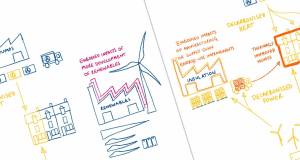
With an increasing emphasis on the electrification of heat as the electricity grid decarbonises, interest in reducing the embodied carbon of buildings is growing. But does a focus on embodied carbon alone risk giving needlessly energy intensive ways of making buildings a free pass? In the first of a new series of articles, Dr Lois Hurst journeys into understanding embodied and life cycle impacts in construction.
New embodied carbon rules for large London projects

Coasting home - Beautifully designed Hampshire home breezes past passive standard
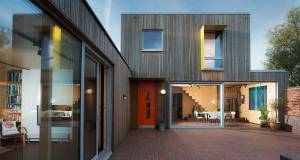
‘Architecture is the blissful moment when the site and brief come together,’ says architect Ruth Butler of the challenge she and her engineer husband faced in designing their family home, on a difficult urban site by the Hampshire coast. But it was a challenge they met and exceeded, because even though they hadn’t even planned to build a passive house, they soon realised the design was on course to meet the onerous energy standard anyway.
Achieving NZEB event in Cork hears of embodied carbon plans
Material impacts
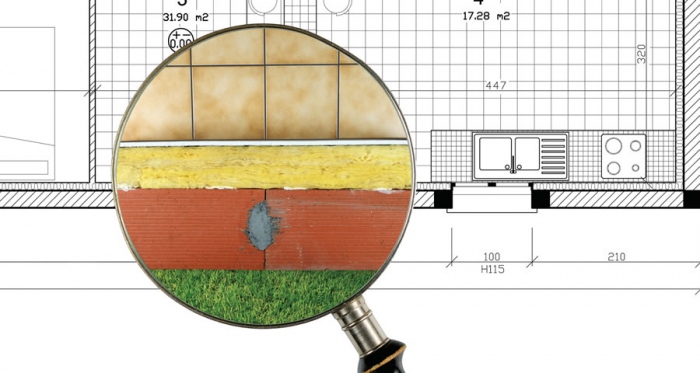
For decades now, European countries have been regulating the amount of energy new buildings can consume for heating and electricity. But as these standards get ever tighter, is time to start controlling the embodied energy and wider environmental impact of building materials — and what’s the best way to do it?
Critical mass
Thermal mass can significantly influence a building’s space heating requirement – in some cases the effect is to increase it, and in others to reduce it. Leading energy consultant Ciaran King of Emerald Energy explains how this occurs, and by describing an assessment of the topic, provides some rules of thumb regarding when thermal mass may be beneficial, and when it may be detrimental.
Heaven sent

When it comes to redeveloping old buildings, green designers face two choices: replace existing structures with modern, energy efficient buildings or refurbish and avoid the embodied energy and waste of demolition and new construction. Lenny Antonelli visited a redeveloped convent in Booterstown, County Dublin that combines the best of both approaches.
Deconstruct Ireland
The environmental impact of the built environment extends far beyond energy consumption and carbon emissions throughout a building’s intended lifespan. Architect and sustainable design consultant Sinéad Cullen of DW EcoCo & BE Architecture explains why there’s a need to design buildings that can be deconstructed rather than destroyed once they reach their end of life, and looks at the obstacles to be overcome to make this happen.
Restoring order

Turning a ruined farm house into a usable dwelling has been a dream for decades, but can an age-old structure really be brought-up to the cutting edge of energy efficiency? Architect Frank Cooney has found a way with a ruin in Cavan currently undergoing renovation. Jason Walsh visited the site to find out more.
About Face

Jason Walsh visited the recently refurbished offices of Wicklow County Council to see an approach that achieves energy conservation, carbon reduction and dramatically increased occupant comfort by lowering electricity and heat demand and avoiding unwanted overheating