

Displaying items by tag: Ventilation
Termites trump human know-how on green building

Mankind can learn more about cutting energy consumption and carbon emissions by studying insects than by engaging in a space-race approach focused on high tech answers, leading Irish architect Seán Harrington writes in the new issue of green building and upgrading magazine Construct Ireland.
Retrofit: Top tips

As the en masse energy upgrading of Irish homes and other buildings takes-off on an unprecedented scale, there are real dangers that even conscientious clients, professionals and contractors will make decisions that fail to save energy and create unhealthy buildings. Pioneering green architect Joseph Little, draws from the research and experience of his architectural practice & Building Life Consultancy to offer advice that should be heeded before any energy upgrade.
Breaking the mould - part IV

In the fourth part of a series of articles on the condensation risks associated with insulating single lead dwellings, Joseph Little of Joseph Little Architects & Building Life Consultancy reveals serious problems with the approach taken by regulators, standards authorities and suppliers on the condensation risks associated with insulating single leaf walls.
Clearing the air

As more and more people upgrade their homes to make them more energy efficient, it’s crucial for them to consider installing some sort of ventilation system to keep them healthy. Astrid Madsen compares heat recovery ventilation to a relative newbie on the Irish market, demand controlled ventilation.
A room with a view
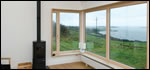
Nowhere demonstrates the need for a high-performance building envelope quite like a coastal site. John Hearne visited a cutting edge timber frame house overlooking Sligo Bay that was designed to achieve a highly insulated, air-tight and low embodied energy envelope whilst making the most of the spectacular vista.
Air-tight case
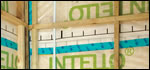
Air-tightness is a key factor in any low energy build, but is often overlooked in comparison to energy sources and insulation. Lenny Antonelli examines how air-tightness is achieved in buildings, from design stage down to the final sealing
Venting opinions
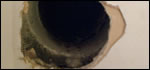
Whilst great strides are being made in upgrading energy performance requirements under Part L of the Building Regulations, the issue of ventilation has remained largely ignored by legislators for years, leaving designers with antiquated standards to work to. At its worst, efforts to air-tighten and increase the insulation of homes is being undermined by the absurd practice of knocking holes in walls. John Hearne looks into what changes need to be made to modernise Part F.
A Breath of Fresh Air
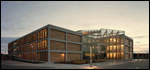
Prestige commercial buildings can place a heavy toll on the environment, typically relying in Ireland on carbon intensive grid electricity to power air conditioning systems throughout the warmer parts of the year and inefficient electric lighting – often all year around. Completed in November 2004, software company SAP’s Galway offices offer a rare opportunity to find out how a natural ventilated and low energy lighting building is working in practice, as John Hearne reveals.
Taking Part
Based on past form, the Department of the Environment officials could be forgiven for bracing themselves for a construction industry backlash in response to the proposed changes for Part L of the building regulations which aim to both improve energy efficiency and reduce carbon emissions by 40%, whilst also introducing mandatory renewable energy and air tightness requirements. Jeff Colley outlines why, for reasons of self interest alone it’s very much in the industry’s interests to embrace the new regulations rather than attempt to resist change.
Neutral Ground

Watford, just over 30 kilometres north of London, is now home to an aspirational new house, developed by an Irish company, designed to completely remove carbon emissions from the home. Jason Walsh visited the site to learn more
About Face

Jason Walsh visited the recently refurbished offices of Wicklow County Council to see an approach that achieves energy conservation, carbon reduction and dramatically increased occupant comfort by lowering electricity and heat demand and avoiding unwanted overheating
Health in the home
Whether we reside permanently in an existing residence or are looking to build a new home, it is vital that we consider the well being of the occupants as well as the environment. RTE presenter Duncan Stewart stresses the importance of a healthy home.
Breathe Easy

A recent study instigated by the American Environmental Protection Agency has identified indoor air quality as one of the top five urgent environmental risks to public health.
Dynamic Ducting
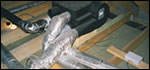
Heat recovery ventilation, a technology that has become a standard building application in Scandinavian countries, is rapidly gaining recognition in Ireland as a solution to both problems.
Super E
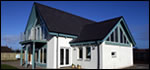
Marie Stamp, Senior Trade Commissioner at the Canadian Embassy, Dublin, discusses the merits of Super E home build.
State of the Art
Inside the Lewis Glucksman Eco Gallery, with John Burgess of Arup Consulting
Coillte Teoranta
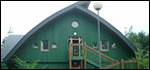
The building is the first all timber office complex in Ireland. It covers almost 2,300m2 of floor space and provides accommodation for almost 100 staff working in a wide range of forestry related disciplines.
Passive Resistance
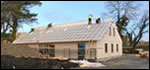
On Tuesday the 15th of March a passive house, a house that does not need to be heated, was built a few miles outside of Galway. The brain child of Lars Pettersson of Galway based Scandinavian Homes Ltd, it is believed to be the world’s first standardized and factory made passive house.
Sound Advice - Acoustic solutions

When designing and building high density apartment and housing developments, the attention, so often lacking, to acoustic performance, can have a critical impact on the quality of life of the buildings’ inhabitants, as leading acoustic consultant Jim Dunne, Managing Director of Integrated Acoustic Solutions explains
Seal of Approval (John Corless)
As fossil fuel prices rise, the need for energy efficiency in achieving both is increasingly leading Irish people to an approach which combines both ventilation and heating,
A Lesson in Energy Efficiency

The Department of Education has made its commitment to energy efficiency and CO2 reduction clear in developing and bringing into practice targets for primary school design that aim for less than half of the accepted good practice in the field. Project coordinator John Dolan, Senior Engineer with the Department of Education explains how this approach works within normal Departmental budgetary limits to create school buildings that show the way ahead for building designers.
College Green

Chris Croly from BDP outlines the low energy and renewable energy strategies used in University College Cork’s new Environmental Research Institute, a test bed for the design and performance of sustainable buildings, which is ideally suited to housing the 200+ environmental projects carried out by its researchers.
Killeagh, Co. Cork
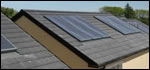
The rapidly growing public interest in sustainable building is finally starting to impact on property developers. Bill Quigley of Nutech Consultants describes an innovative 200 house development currently on site in Co. Cork where forward-thinking developers J & W Leahy Brothers have decided that the market is ready for low energy, low CO2 buildings.
Rest Assured
Brian Homan, Joint Managing Director of leading consulting engineers Homan O’Brien Associates describes a nursing home currently being built that is adopting a sustainable building approach to deliver healthy, comfortable accommodation at low running costs.
True to Form
Adding to the list of developers aiming to deliver energy efficient housing, Cronan Nagle Construction are currently on site with 188 highly insulated, airtight homes in Ennis, co. Clare. The development, which also incorporates heat recovery ventilation and condensing gas boilers is surpassing the thermal requirements of Building Regulations by up to 45%, as John Hearne discovers.