

Displaying items by tag: building regulations
Scotland to accept passive house as regs compliant
Certified passive house to be alternative means of compliance to proposed Scottish passive house equivalent.
Disappointment at new building energy standards
Northern Ireland claims 2012 regs meet NZEB
NI still plans to tighten energy rules for new build
Wales to introduce building regulation on overheating

The Welsh government is set to introduce a new section of building regulations to deal with mitigating overheating risk, Part S.
How will today’s buildings perform tomorrow?

Richard Tibenham of Greenlite Energy Assessors says a case of two highly energy-inefficient and ‘hard-to-treat’ buildings, built in 2013, should serve as a warning to the whole construction sector.
'Achieving NZEB' event in Cork this Thursday

Achieving NZEB, a one-day event that aims to make it easy for the building industry to understand how to achieve nearly zero energy building (NZEB) standards, will take place this Thursday, 30 May in Youghal, County Cork.
New authority to oversee safety in high rise apartment blocks
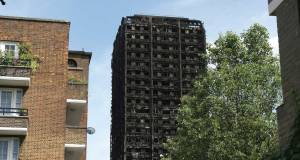
It is being suggested that the creation of a Joint Competent Authority – as called for by Dame Judith Hackitt in her review of the building regulatory system, after the Grenfell tragedy – is due to be announced by the UK Ministry of Housing very soon. And a new industry initiative is calling for Dame Judith’s recommendations to be implemented in full.
UK buildings regulations set for major overhaul
What exactly is an nZEB anyway?
Unclear definitions for nearly zero energy buildings are confusing the building industry and distracting from delivering better buildings, says architect and DIT lecturer Simon McGuinness.
England, Scotland & Wales will fail to meet ‘nZEB’
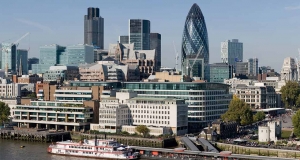
London encouraged to adopt its own building energy standard.
Grenfell Tower - How did it happen?
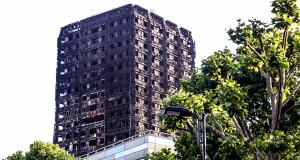
Investigations may eventually confirm the specifics of how the fire at the West London tower block spread so catastrophically on the night of 14 June, but the government and construction industry faces much deeper questions about whether a culture of deregulation, cost-cutting and buck-passing turned what should have been a small, inconsequential fire into a national tragedy.
Out of control? Are building control systems properly equipped to deliver safe, healthy and well-constructed buildings?
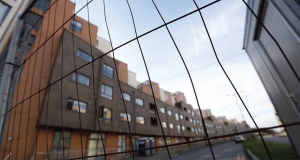
After a litany of dangerous and high profile building failures in Ireland, many in the country’s building industry looked longingly across the Irish Sea and held up the UK as an example of how to do building control properly. But following a series of embarrassing defects with UK construction projects, it’s clear the British system is far from perfect. So is either of these building control systems properly equipped to deliver safe, healthy and well-constructed buildings?
A2 rated Rathgar scheme goes high end but low energy

Achieving building regulations compliance and a good energy rating is one thing. Delivering a genuinely low energy building is quite another. A new scheme by one of Ireland’s most decorated developers may help show the market a way forward.
Dublin local authority makes passive house mandatory in historic vote
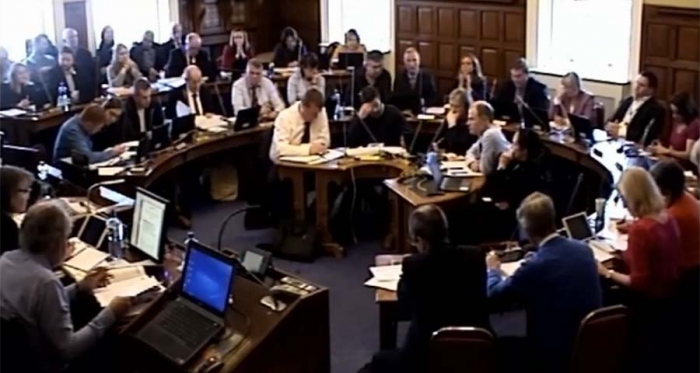
All new buildings in south-east Dublin must be built to the passive house standard or demonstrably equivalent levels, in a move that may lead to the construction of upwards of 20,000 passive houses by 2022.
Material impacts
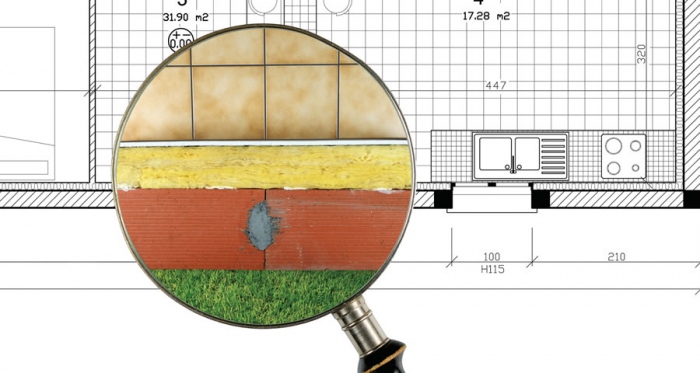
For decades now, European countries have been regulating the amount of energy new buildings can consume for heating and electricity. But as these standards get ever tighter, is time to start controlling the embodied energy and wider environmental impact of building materials — and what’s the best way to do it?
National construction conference points way forward for industry
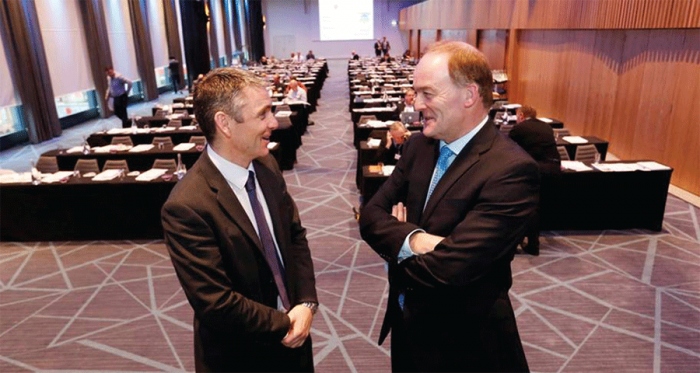
Heat Merchants and HomeBond co-hosted the National Construction Industry Conference last November in Croke Park’s Conference Centre to review key issues and deliver insights to over 210 architects, engineers, planners and developers. The topics centred around key issues which will influence the future of the construction industry in Ireland, including liability, health & safety plus the implications of recent and upcoming additions to various sections of the building regulations.
Business leaders support Dún Laoghaire Rathdown passive house plan
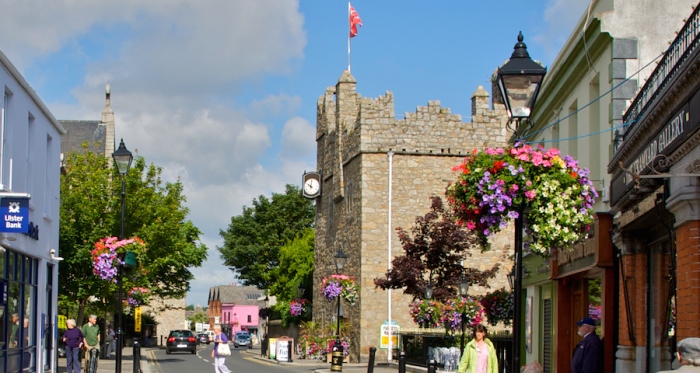
Leading businesses in the building materials sector — including semi-state timber company Coillte and insulation manufacturer Kingspan — have declared their support for plans by Dún Laoghaire Rathdown County Council to make the passive house standard mandatory for new buildings.
Irish construction industry has long opposition to higher standards
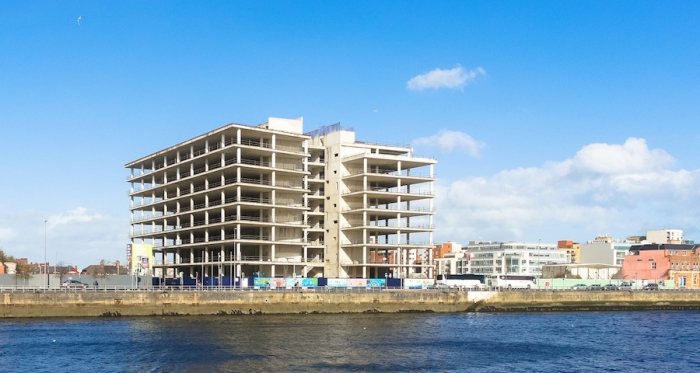
This article, originally published in 2012, details the Irish building industry's history of opposition to higher standards.
The cost of building passive

Perhaps the most common argument against making passive house mainstream is that it costs too much to build. But as building regulations tighten and an increasingly competitive passive house sector emerges, does that argument hold water?
Conference hears of urgent need to upskill Irish construction workers
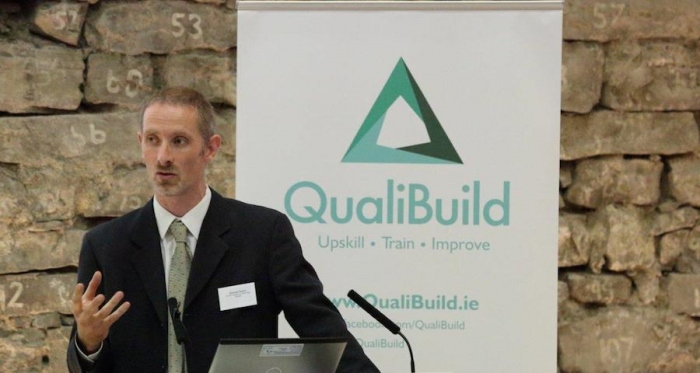
Dublin’s old city wall in Woodquay provided the backdrop on Wednesday 15 October to a conference, titled 'Better Than Best Practice', on the urgent need to upskill the Irish construction industry.
Will nearly zero energy buildings result in a thermal comfort deficit?
As the UK inches towards zero carbon and nearly zero energy building targets, the construction industry must pay increasing attention to the impacts of regulatory changes on design and construction, argues Passive House Academy founder Tomás O’Leary. But will homes designed using the UK’s national methodology come close to passive house levels of comfort?
Two thirds of new Irish homes fail energy efficiency rules
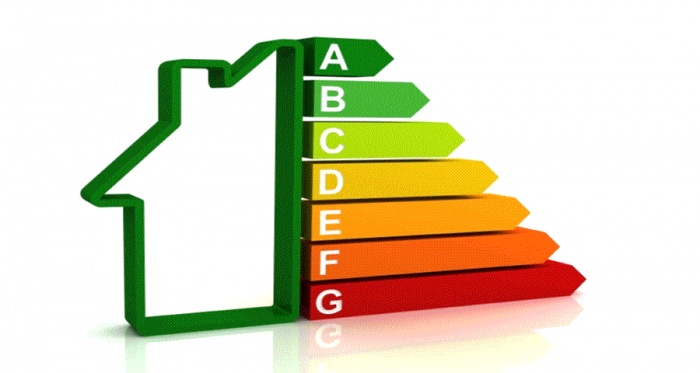
Less than a third of new Irish homes meet energy efficiency and carbon emissions regulations, according to new figures. The number of new homes meeting the rules has also declined dramatically since 2005, according to data released by the Sustainable Energy Authority of Ireland.
Capital L

With the goal of achieving zero carbon standards for new homes by as soon as 2013, environment minister John Gormley has committed to introducing 60 per cent energy and carbon reductions under changes to part L of the building regulations next year. John Hearne spoke to leading industry figures to find out how the revised regulation could raise standards for both new and existing homes.
Good form

If you are at all worried about keeping construction costs down and lengthening the useable lifespan of your building, it’s critical that energy performance is considered from the earliest stages of planning and design. John Hearne spoke to a number of leading Irish experts in sustainable design about following simple principles of orientation, form and layout to achieve substantial energy improvements for free
Results of social housing energy audit to be launched in Cork
Taking Part
Based on past form, the Department of the Environment officials could be forgiven for bracing themselves for a construction industry backlash in response to the proposed changes for Part L of the building regulations which aim to both improve energy efficiency and reduce carbon emissions by 40%, whilst also introducing mandatory renewable energy and air tightness requirements. Jeff Colley outlines why, for reasons of self interest alone it’s very much in the industry’s interests to embrace the new regulations rather than attempt to resist change.
Home Truths

Patrick Daly, co-founder of the RiSE (Research in Sustainable Environments) research unit in the DIT has undertaken an in depth study and critique of the current Irish Part L for energy efficiency in dwellings, comparing it in detail to the UK equivalent. The findings raise challenging questions about the Irish standards and methodology and highlight serious shortcomings in comparison to our UK neighbours, permitting substantially higher levels of CO2 emissions from new homes in Ireland than in the UK.
Caveat Emptor

Construct Ireland Journalist Frank Coles investigates the impact posed by the Energy Performance of Buildings Directive
Tax incentives
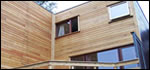
Recent allegations that a single leaf timber frame development in Leitrim was forced to incorporate an outer layer of blockwork in spite of no such requirement in the Building Regulations or by the local authority in question suggests that something is seriously amiss, as Frank Coles explains.
Energy Directive
Energy Directive
Construct Ireland and Century Homes present the need for Energy Labels before the Joint Oireachtas Committee