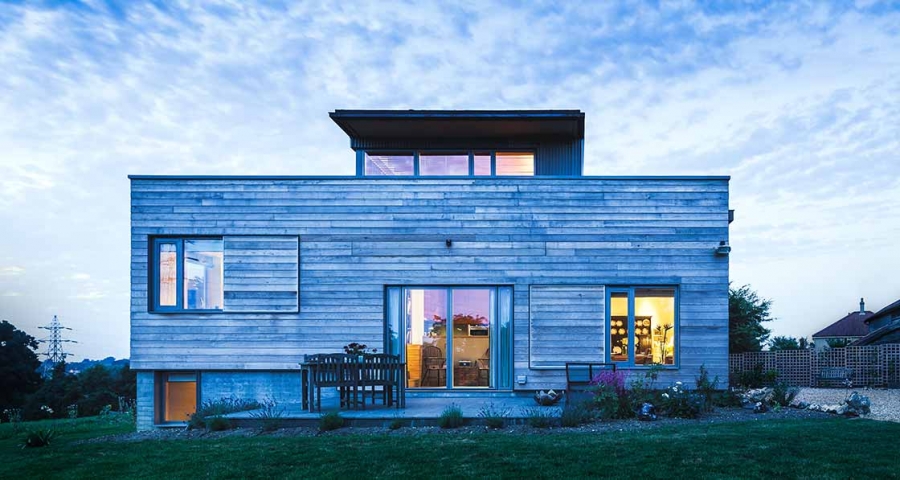
This cellulose-filled timber frame house in the Suffolk countryside combines a rustic timber aesthetic with a simple contemporary form to rest lightly on the land.
In the first in a new series of technical articles on some of the key technologies in sustainable building, John Hearne makes the case for wrapping buildings in an external insulation layer, and describes some of the main issues to watch out for.
North Dublin sheltered scheme makes A1 breakthrough
Written by John Hearne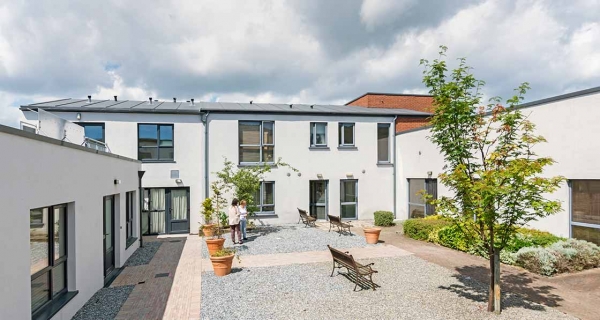
The first social housing scheme of any kind to top Ireland’s BER scale, this project is a timely reminder that in the midst of a national housing emergency, it is possible to tackle climate change and blitz the forthcoming nearly zero energy building targets, while housing the most vulnerable in society in healthy, fuel poverty-proof homes predicted to incur zero heating cost.
Dublin boiler house reborn as green building exemplar
Written by John Hearne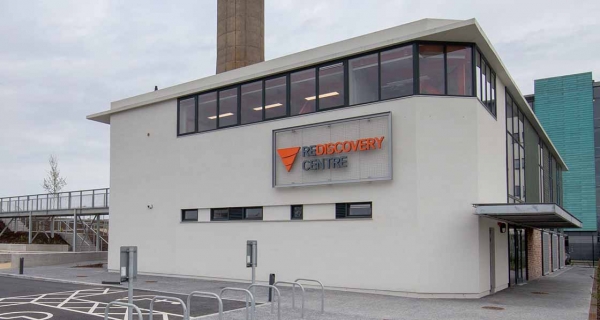
If the reduce, reuse, recycle mantra has a built embodiment, it’s arguably the recently completed Rediscovery Centre in Ballymun, Dublin – a 1960s boiler house for a much maligned early district heating system that’s been transformed into a sustainability education centre, and that makes use of a remarkably large palette of green materials and sustainable technologies.
A1 passive house overcomes tight Cork City site
Written by John Cradden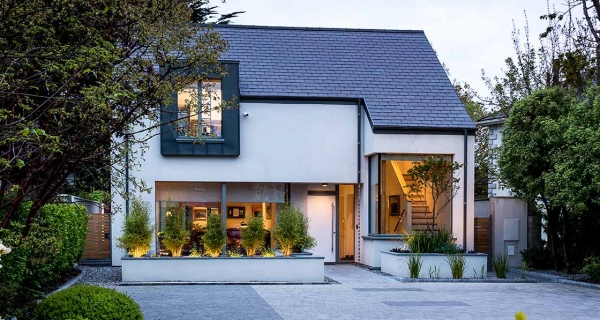
Designing a dwelling to take advantage of the sun’s free heat is a big part of what makes a passive house passive. So how do you meet the low energy standard when your narrow site faces away from the sun and is overshadowed by neighbouring houses and trees, while simultaneously hitting an A1 building energy rating – and with a stunning, architecturally expressive design?
Our passive journey #7: Is our proposed house too big?
Written by Nessa Duggan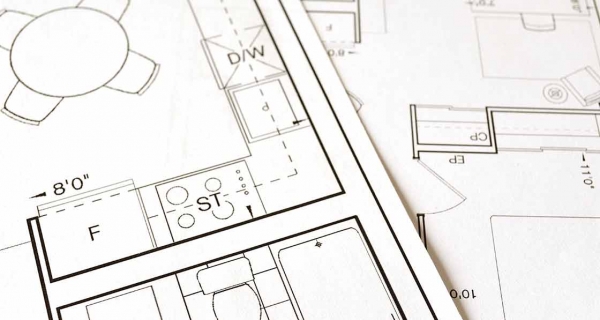
An oversized passive house may be no more sustainable than a correctly sized house built to a more modest spec. In the latest instalment of her journey to build a passive family home, Nessa Duggan finds that visiting some real passive houses may force a change in approach regarding size and complexity, with potentially significant cost benefits.
Chair of post-Grenfell fire review “shocked” by construction culture
Written by Kate de Selincourt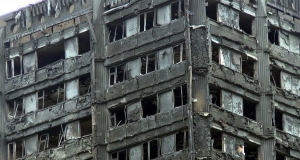
The engineer tasked by the UK Government with examining building fire safety regulation in England following the Grenfell fire has said she is shocked by construction practices. The industry urgently needs to change its culture, and “clearly identifiable” individuals must take responsibility for what is built, she concludes.
VictorianSASH windows revitalise historic Portsmouth home
Written by News Desk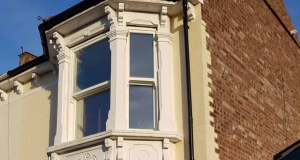
Viessmann boilers keeping visitors warm at revamped Postal Museum
Written by News Desk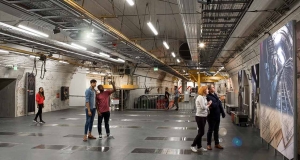
Viessmann boilers have been specified for the revamped Postal Museum, which has recently opened its doors to visitors after a major £26m redevelopment supported by the Heritage Lottery Fund.
Northern Ireland to get world's first educational ‘passive house premium’ building
Written by News Desk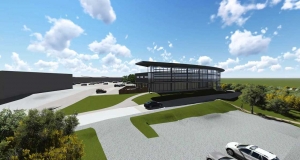
Northern Ireland’s South West College has announced that its new Erne Campus in Enniskillen will include the first educational building in the world built to the new passive house premium standard. The campus will be constructed on the site of the former Erne Hospital.
More...
Brady Energy Consultants now offering passive house guidance
Written by News Desk
Brady Energy Consultants, the leading Mayo-based providers of energy consulting services, have announced that senior energy consultant Cathal Brady has become a certified passive house consultant, and that the company will add thermal modelling to its range of services in 2018.
Going A1-rated & certified passive lifts build costs by 0.1%
Written by News Desk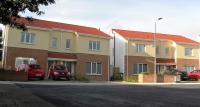
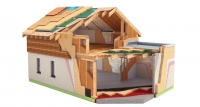
The extra cost of building to certified passive house levels – while also scoring an A1 BER – is as low as 0.1%, research at Ulster University has shown.