
Government ‘Help to hoard' scheme - why we’re not building homes
Written by Mel Reynolds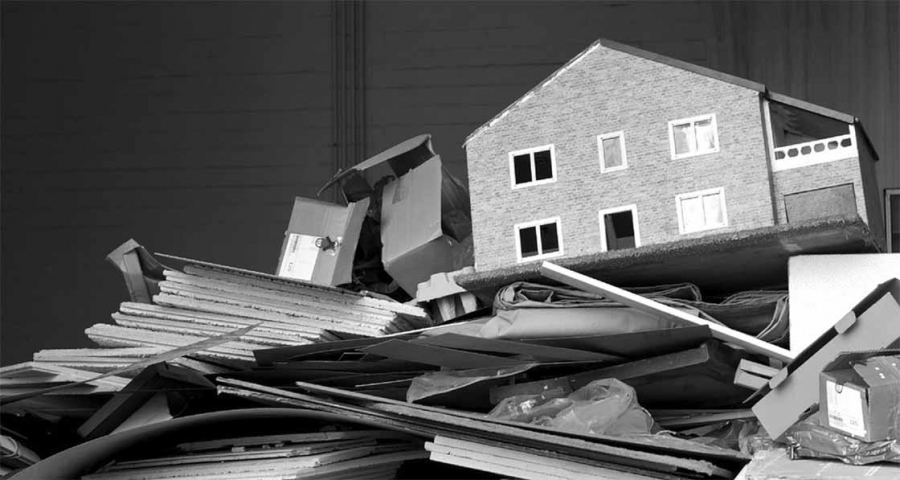
With Ireland’s housing crisis continuing to escalate, government policies may be further exacerbating the problem, argues Mel Reynolds.
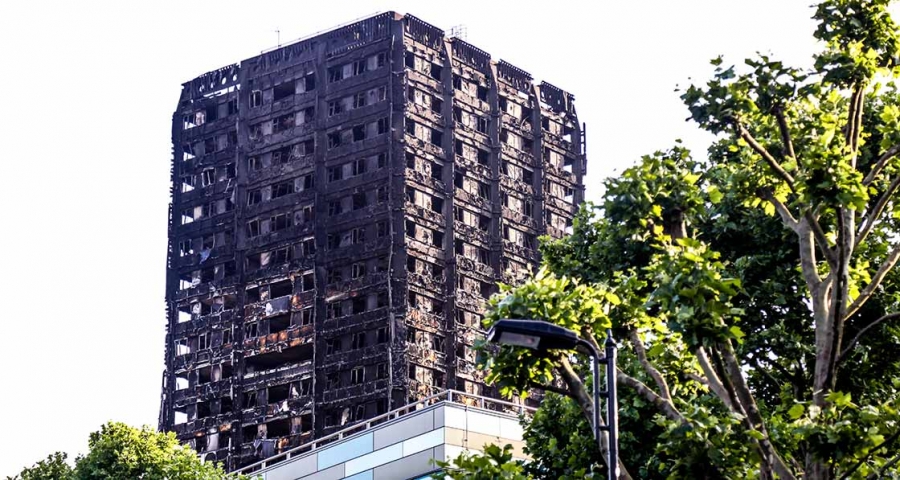
Investigations may eventually confirm the specifics of how the fire at the West London tower block spread so catastrophically on the night of 14 June, but the government and construction industry faces much deeper questions about whether a culture of deregulation, cost-cutting and buck-passing turned what should have been a small, inconsequential fire into a national tragedy.
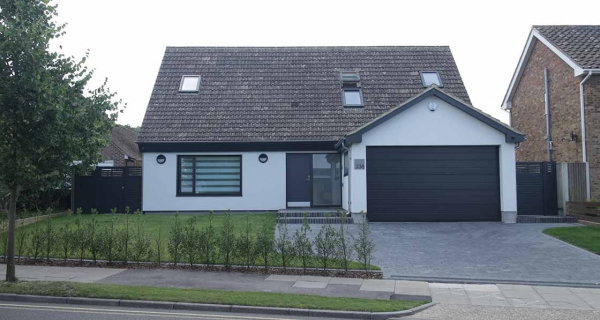
In the current policy vacuum, many questions have been raised about the future of sustainable construction. Despite this uncertainty, there is a steady growth of interest in the AECB Silver Standard, writes architect Mark Siddall.
Save money & energy with smart product choices — Quinn
Written by News Desk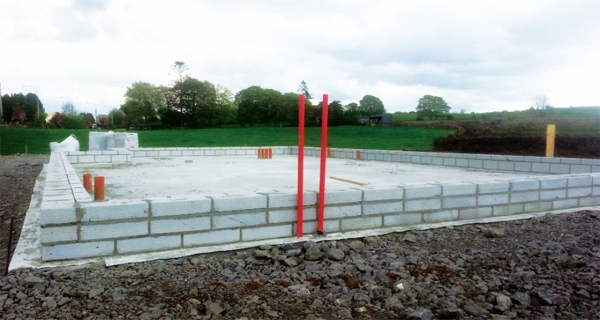
Quinn Building Products says that a study undertaken by the company’s technical team demonstrates how the developer of a typical A3 rated, semi-detached house can make substantial savings using Quinn products.
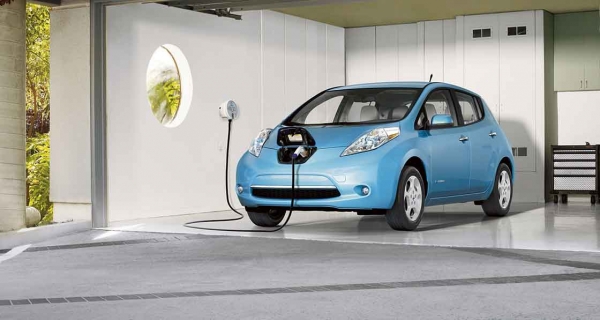
Stored energy from electric vehicles (EVs) can be used to power large buildings – creating new possibilities for the future of smart, renewable energy — ground-breaking battery research at the University of Warwick has shown.
SEAI shifts focus to deep retrofitfit with conference & pilot scheme
Written by News Desk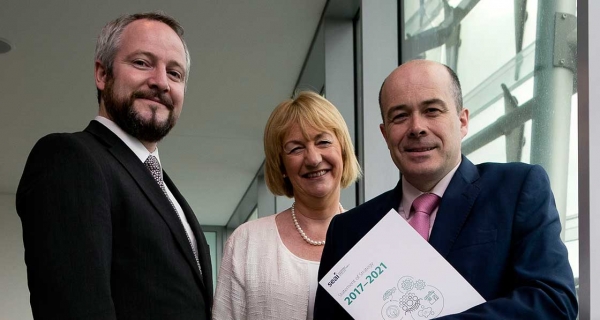
The Sustainable Energy Authority of Ireland has announced a new €5million deep retrofit pilot programme for 2017 projects to upgrade inefficient buildings to an A3 rating or better – with a particular emphasis on ventilation, airtightness, thermal bridging, interstitial condensation and preventing overheating. Grants are available to cover between 50 and 95% of the costs of deep retrofit works for di�fferent categories of participants.
Irish study group visits Germany on energy efficiency tour
Written by Mark Shirley
The German-Irish Chamber of Commerce hosted a study group to Germany last month to examine the energy efficiency of buildings there.
A brand new passive-certified nursery at the University of Aberdeen provides the children of staff and students with a bright, warm and healthy space for learning and playing.
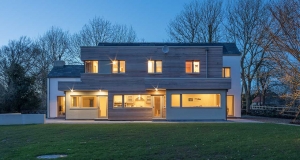
This is what you get when one of Ireland’s most experienced low energy builders creates a home for his own family, with help from one of the country’s foremost ecological architects — a modern and elegant passive house that pays detailed attention to sustainability at every turn.
Ireland’s largest passive house scheme shows way to nZEB
Written by Jeff Colley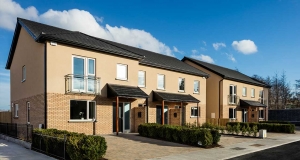
At a time when the industry’s under increasing pressure to deliver cost-effective, robust, low energy homes at breakneck speed, one new west Dublin project is leading the way – while picking off sustainability targets for fun.
More...
Out of control? Are building control systems properly equipped to deliver safe, healthy and well-constructed buildings?
Written by John Hearne
After a litany of dangerous and high profile building failures in Ireland, many in the country’s building industry looked longingly across the Irish Sea and held up the UK as an example of how to do building control properly. But following a series of embarrassing defects with UK construction projects, it’s clear the British system is far from perfect. So is either of these building control systems properly equipped to deliver safe, healthy and well-constructed buildings?
Ireland’s first nZEB training centre set for Wexford
Written by News Desk
A delegation of world leaders in sustainable building and energy visited Wexford early on 10 May to discuss plans to locate Ireland’s first nearly zero energy building (nZEB) training centre near Enniscorthy.
Kiss House launches “cutting edge” turnkey passive houses
Written by News Desk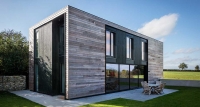
Three leading firms operating in the sustainable building and passive house sectors have joined forces to launch Kiss House, a new concept in architect-designed, turnkey housing. Kiss House is available in two-bed, three-bed and four-bed options, all built to the passive house standard.