
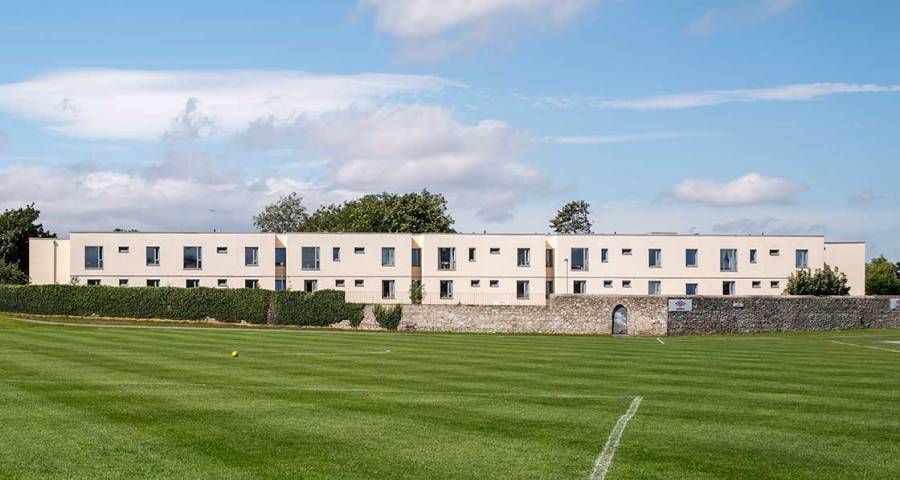
Simultaneously tackling fuel poverty and climate change requires drastic action on deep retrofitting the existing housing stock – and fast. Dún Laoghaire-Rathdown’s deep retrofit and renovation of Rochestown House may be Ireland’s most significant retrofit to date – a fact reflected in the project picking up the sustainability award at the 2017 Irish Architecture Awards.

Building physics take no prisoners. Anyone designing, constructing or upgrading the thermal envelope of a building to modern energy performance levels is duty bound to understand and minimise thermal bridging, or suffer the consequences. One-man thermal bridging encyclopaedia Andrew Lundberg of Passivate, who teaches thermal bridging analysis at Dublin Institute of Technology, gives some practical advice on why and how to tackle thermal bridging head on, and describes some of the leading innovations in thermally broken components.
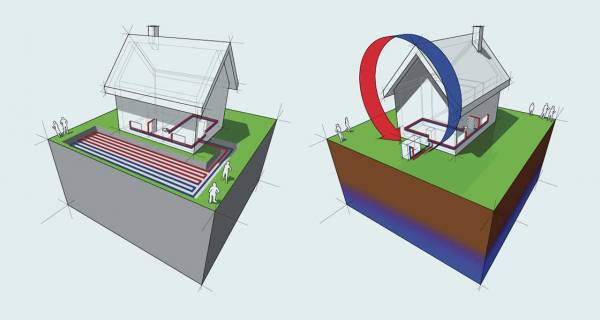
As of 16 April, owners of pre 2011 Irish homes are now eligible for generous grants to retrofit heat pumps, and in so doing help to create comfortable, economical, low carbon homes. But what’s the thinking behind the scheme, and what results can participating homeowners expect?
Disastrous Preston retrofit scheme remains unresolved
Written by Kate de Selincourt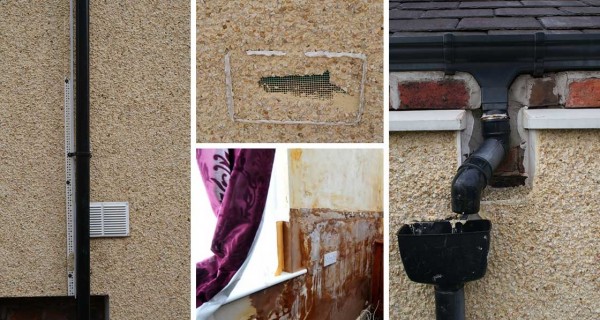
A disastrous failed external insulation contract run under a government energy saving scheme has affected up to 390 homes in Preston with water penetration, mould and damp.
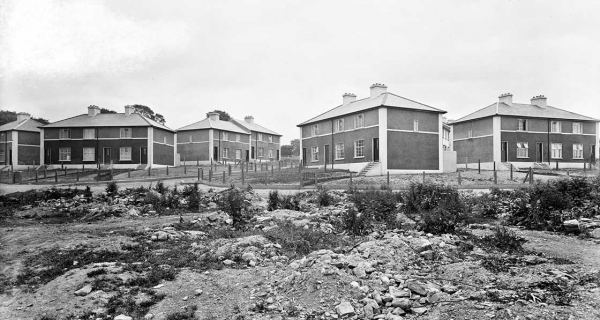
It is simply not possible for developers to build housing in cities like Dublin and sell it for a reasonable price without making a loss, writes architect Mel Reynolds — instead, we need meaningful affordable housing schemes.
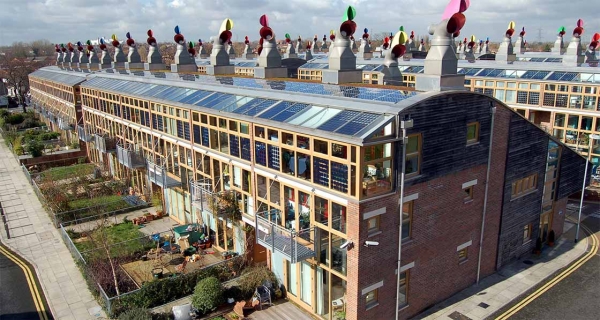
Unclear definitions for nearly zero energy buildings are confusing the building industry and distracting from delivering better buildings, says architect and DIT lecturer Simon McGuinness.
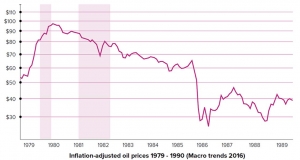
Innovations in low energy building were spurred in the 20th century by oil crises, but the political impetus for meaningful change receded once the crises ended, explains Dr Marc Ó Riain, bringing an attendant failure to set meaningful building regulations.
The penny is starting to drop that profound energy saving efforts in buildings – right up to zero emissions levels – are both necessary and urgent if the UK is to honour its climate change targets. So what’s holding up meaningful action, asks Peter Rickaby?
Our passive journey #4: Planning, storm water decisions & heating with tea lights
Written by Nessa Duggan
In the fourth instalment of Nessa Duggan’s column on designing and building a passive house for her young family, the focus shifts to overcoming drainage issues to secure planning, and just how small the heat load may be in the family’s new home.
Our passive journey #5: Getting the right advice
Written by Nessa Duggan
In the fifth instalment of her column on designing and building a passive house for her family, Nessa Duggan talks about the importance of getting good advice — on everything from airtight sliding doors down to your choice of timber flooring.
More...
In the sixth report on her journey to self-build a passive house, Nessa Duggan struggles to reconcile glazing functionality and thermal performance, takes conflicting advice on heating and ventilation, and reaches some decisions on joinery.
Life in an air-heated passive house - Five years on
Written by John Cradden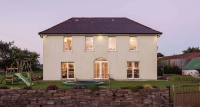
Homeowner Brendan Murphy started self-building his Cork passive house way back in 2010, long before the standard was trendy, and even chose to completely forgo a water-based heating system. So what did he learn from the experience — and how has the house been performing since?
Radical retrofit transforms Pennines historic barn
Written by Kate de Selincourt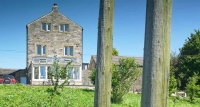
This ambitious experimental retrofit of a Victorian barn high in the hills of West Yorkshire has turned a cavernous, draughty space into a comfortable low energy period home — and cut its heating bills by over 80%.
Affordable homes scheme reflects rise of Norwich as a passive hub
David W Smith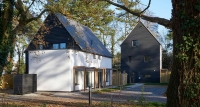
A new development of passive housing on the outskirts of Norwich shows how to combine energy efficiency, ecology and affordability on one exemplary site — and why the city continues to be an unlikely leader in pushing passive house construction in the UK.