

Displaying items by tag: emissions
Much ado about nothing
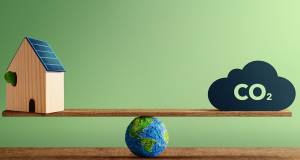
As the world edges ever closer to the precipice of runaway climate change, some sustainability terms have moved from relative obscurity towards the mainstream of marketing and public discourse – and none more so than zero carbon. But is zero carbon construction a real prospect, or is it just wishful thinking?
Words by John Butler and Andy Simmonds
Decarbonising buildings “most important issue” – Climate Change Committee
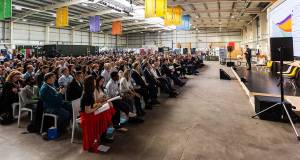
Decarbonising buildings is “probably the most important issue” in the UK’s efforts to reduce greenhouse gas emissions, according to the UK’s independent authority on climate change.
Techrete aims for net zero carbon by 2030
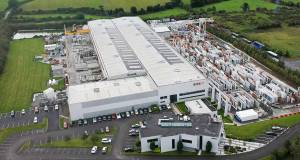
Leading precast concrete facade manufacturer Techrete has pledged to achieve net zero carbon emissions by 2030.
Campaign launched to tackle whole-life environmental impact of buildings
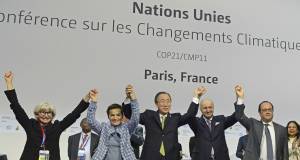
On the five-year anniversary of the adoption of the Paris Agreement, the Irish Green Building Council (IGBC) launched a campaign to decarbonise Ireland’s built environment across its whole life cycle. The campaign is backed by Passive House Plus.
Heating emissions increase as Ireland falls short on decarbonisation
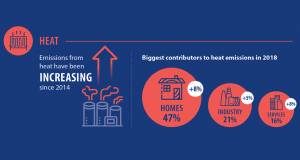
The total amount of CO2 emissions associated with heating Ireland’s homes increased by 8% in 2018, a new report from the Sustainable Energy Authority of Ireland (SEAI) has revealed.
Draft new Part L energy efficiency regulations “disappointing”, critics say
New research finds air pollution particles in human placentas
Policy for zero, or zero policy?
The penny is starting to drop that profound energy saving efforts in buildings – right up to zero emissions levels – are both necessary and urgent if the UK is to honour its climate change targets. So what’s holding up meaningful action, asks Peter Rickaby?
UN advocates passive house in latest carbon emissions report

Report author Prof Diana Ürge-Vorsatz praises “fantastic” Dún Laoghaire-Rathdown passive house policy
Who needs retrofit standards?
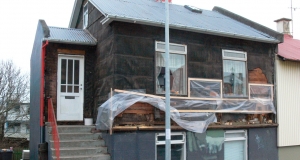
We all do, argues Dr Peter Rickaby, but the goal of mass retrofitting our energy inefficient building stock is hampered by the fact that when it comes to most retrofits, we simply don’t know what we’re trying to achieve.
It’s in Ireland’s interest to tackle climate change — EPA director general

Ireland has particular vulnerabilities to climate change and has a very strong stake in ensuring that global action on reducing carbon emissions is effective, according to Laura Burke (pictured), director general of the EPA.
Study: 75% of housing stock needs A2 upgrade by 2050
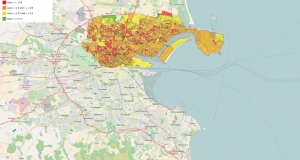
75% of the housing stock will need to be upgraded to A2 BERs by 2050 if Ireland is to hit its 80% CO2 emissions reductions target.
Construction sector commits to big carbon savings at COP21

The UK Green Building Council has come together with Green Building Councils from around the world to publish a series of commitments from the private sector that would result in massive carbon savings from buildings and construction.
Power to the people

The ESB's Home Insulation Scheme aimed to upgrade the homes of 1,000 pensioners on fuel allowance last year - it ended up reaching almost three times that number, reducing carbon emissions and improving the lives of many. Lenny Antonelli found out more.
Peak timing
As the organisation entrusted by OECD countries to predict future global energy supplies, the International Energy Agency’s projections have significant impact on energy policy around the world. IEA officials recently told The Guardian that the organisation’s figures on oil supply had been inflated and that oil peak is happening. Richard Douthwaite assesses the fall out
Capital L

With the goal of achieving zero carbon standards for new homes by as soon as 2013, environment minister John Gormley has committed to introducing 60 per cent energy and carbon reductions under changes to part L of the building regulations next year. John Hearne spoke to leading industry figures to find out how the revised regulation could raise standards for both new and existing homes.
Methane & climate change

With the threats posed by anthropogenic climate change now accepted as a key international issue, efforts to curb carbon dioxide emissions are becoming manifest around the world in spite of – and even as a response to – the global recession. But any such efforts may be in vain if the focus on carbon dioxide distracts from the need to curtail methane emissions, as Richard Douthwaite explains
Increase in energy use in Irish buildings despite recession

Rising energy use in buildings contributed to an increase of 1.5% in overall energy demand in 2008, despite the economy contracting by 3% over the same period, a new report from Sustainable Energy Ireland (SEI) reveals today.
Insulating Ireland

The vast majority of Irish buildings are in need of substantial energy upgrade work. Given the difficult economic conditions and low public awareness of the cost, comfort and health benefits of a well-designed energy renovation, the notion of upgrading most Irish buildings is a considerable challenge. However, as Lenny Antonelli explains, new ideas are emerging that could stimulate energy upgrade work on an unprecedented scale.
Shifting ground

Unless greenhouse gas emissions from land are tackled, any efforts to reduce emissions from buildings may fall short in attempting to stave off the worst consequences of climate change. Richard Douthwaite explains how, with a little ingenuity, techniques can be applied to dramatically reduce land emissions whilst simultaneously providing new raw material streams and energy source
World 'needs radical cuts' on CO2
Oil price record goes again while Microsoft launch carbon reducing server
Neutral Ground

Watford, just over 30 kilometres north of London, is now home to an aspirational new house, developed by an Irish company, designed to completely remove carbon emissions from the home. Jason Walsh visited the site to learn more
Green power

Newly elected Green Party Ministers John Gormley & Eamon Ryan talk to Construct Ireland about their vision for a sustainable future.
Free Heat
As Ireland struggles to meet its commitments to reducing CO2 emissions in accordance with the Kyoto Protocol, the renewable energy sector continues to flourish as wind farms rapidly develop and solar energy becomes increasingly viable
Green Electricity
Everyone knows that the cheapest way of doing something can turn out to be very expensive in the end. The decision to make Ireland ’s electricity system so reliant on gas is about to bear this principle out. By Richard Douthwaite.
Passive Potential
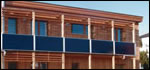
The Passive House standard, an internationally renowned approach to building that negates the need for conventional heating, has attracted considerable interest in Ireland recently as energy prices continue to rise. Vivienne Brophy, Dr Irena Kondratenko, Patxi Hernandez and Kevin Burke of UCD’s Energy Research Group look at the effect this approach could have on cutting Ireland’s energy consumption and CO2 emissions.
Building a low carb future

The need to reduce CO2 emissions and energy consumption from buildings has never been more immediate. There is a growing consensus that we must reduce our dependence on rapidly depleting, carbon intensive fossil fuels, which, amongst other things, will involve overhauling how buildings are designed, constructed and used.