Displaying items by tag: embodied carbon
Embody language
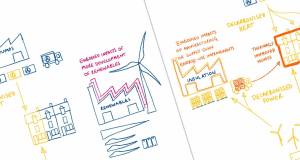
With an increasing emphasis on the electrification of heat as the electricity grid decarbonises, interest in reducing the embodied carbon of buildings is growing. But does a focus on embodied carbon alone risk giving needlessly energy intensive ways of making buildings a free pass? In the first of a new series of articles, Dr Lois Hurst journeys into understanding embodied and life cycle impacts in construction.
Plain English book tells story of embodied carbon

Carbon first, fabric second

Much ado about nothing

As the world edges ever closer to the precipice of runaway climate change, some sustainability terms have moved from relative obscurity towards the mainstream of marketing and public discourse – and none more so than zero carbon. But is zero carbon construction a real prospect, or is it just wishful thinking?
Words by John Butler and Andy Simmonds
Embodied carbon & zero emission targets adopted in new EPBD

All new homes in Europe must meet binding embodied carbon reduction targets and produce zero on site emissions by 2030, due to changes led by Irish Green Party MEP Ciarán Cuffe.
Unilin UK launches embodied carbon report
Leading insulation manufacturer Unilin has produced a report on calculating and reducing embodied carbon while using the company’s products.
Unilin Ireland launches embodied carbon report
Leading insulation manufacturer Unilin has produced a report on calculating and reducing embodied carbon while using the company’s products.
Six of one
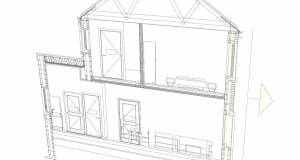
The climate emergency demands that we minimise the energy we use to operate buildings, as well as the energy we use to construct new buildings, where new buildings are needed. A Passive House Association of Ireland-commissioned analysis may start to shed some light on the embodied carbon impact that different build methods can have.
Up to 11
In issue 38 of Passive House Plus we published an in-depth assessment comparing the build specs including five wall types to a typical Irish house. To enable the industry to fairly compare a broader range of build options, we now expand that analysis with the addition of four timber frame wall types and two insulated concrete formwork systems
Passive Power
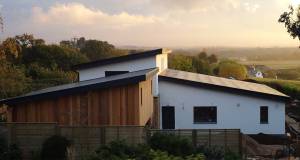
A passive house, by its nature, requires a much smaller amount of energy than a typical home, and when its heating demand is met by electricity, and you cover it in solar PV panels, you can start to see the potential for a whole new generation of passive homes that are semiindependent of the electricity grid. This is the case for Carrstone House in Bedfordshire, which generates so much solar energy it had to be registered as a power station.
Block buster
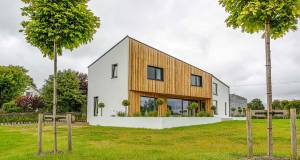
With emphasis in sustainable building shifting towards reducing embodied carbon, an obvious question comes into focus: is this an existential threat to the concrete industry? One passive house in Claregalway shows that – with a little help from Passive House Plus – concrete product manufacturers can make meaningful moves in the right direction.
Roadmap targets embodied and operational carbon

The energy used to heat, cool and light our buildings is responsible for almost a quarter of Ireland’s national carbon emissions – with the carbon embodied in the buildings themselves representing over an eighth of the total, a new report has revealed.
“Addressing embodied carbon is a no brainer” says Eoin Ó Broin TD

In the #BuildingLife Ambassador Spotlight Series, Passive House Plus is profiling leaders who have endorsed the Irish Green Building Council’s call to address the environmental impacts of buildings across their lifecycle.
New passive house & embodied carbon resources
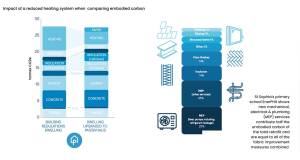
Do thicker insulated walls, triple glazed windows, & MVHR ventilation systems tip the scales unfavourably for passive house when it comes to embodied carbon?
Ecological launches Passive EcoWall to tackle embodied carbon ‘blind spot’
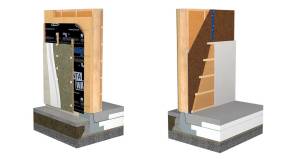
Ecological Building Systems welcomes the fact that embodied carbon has at last come into focus in Ireland.
Measure everything
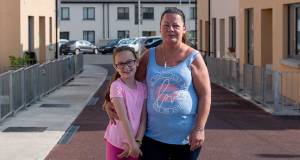
A new housing scheme designed by Coady Architects in Wicklow has achieved the highest green home certification – while suggesting that the convictions of one practice on a single project can help to transform the industry.
EPDs key to reducing embodied carbon – Munster Joinery
Leading Irish window manufacturer Munster Joinery has emphasised the importance of environmental product declarations (EPDs) for reducing embodied carbon in buildings. The company sees reducing embodied carbon as the next major step for the industry after tackling operational energy.
Dulux Decorator Centre launches carbon reduction plan

Dulux Decorator Centre has committed to an ambitious carbon reduction plan to help specifiers reduce their environmental impact and provide a more attractive offering for climate-conscious clients.
Kilsaran launch lower carbon cement with CarbonCure

Kilsaran has announced the signing of a new partnership agreement with CarbonCure Technologies to bring a lower carbon cement to its clients. The project represents a €1m investment by Kilsaran and will create an additional eight jobs in the areas of project support and R&D.
New EU law will mandate renovation of inefficient buildings
Green groups criticise lack of focus on embodied carbon.
The European Commission is proposing sweeping changes to the way in which energy ratings for buildings are allocated, in a bid to stimulate the retrofit of the worst performing buildings across Europe.
Cutting embodied carbon: doing more with less
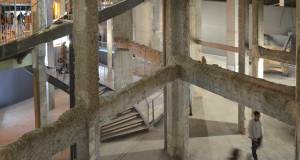
We won’t be able to reduce the embodied carbon of construction fast enough just by switching to lower carbon materials, says Pat Barry of the Irish Green Building Council, so we urgently need smart design that allows us to build with less, and to create a genuine circular economy for building materials.
Modular Cork school building smashes RIAI carbon target
Pitch perfect - Beguiling Dundee passive house puts wood into woodland
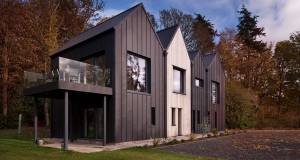
An intriguing new passive house in Dundee takes the traditional ‘box’ form associated with the standard and turns it on its head, using a series of pitched roofs and different claddings to make it feel more like a traditional city terrace than a single dwelling – built with a heavy emphasis on carbon sequestering materials.
Climate action plan sets embodied carbon targets for construction
Ireland’s new climate action plan, which was published on Thursday 4 November, contains the country’s first official targets for limiting the embodied carbon of construction materials.
Seeing the wood for the trees - Placing ecology at the heart of construction

In recent years, as energy efficiency targets for new buildings have tightened, attention has turned to cutting the embodied carbon of buildings by switching from materials like concrete and steel to lower carbon alternatives like timber. But if we are serious about solving the ecological emergency as well as stabilising the climate, we must look even further than embodied carbon, and think more deeply about the core values we apply to materials and buildings, and the manner in which we use them.
By Lenny Antonelli & AECB CEO Andy Simmonds
Building sector must take the lead on embodied carbon
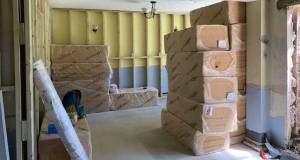
Cavity wall builds can meet RIBA carbon targets, new analysis suggests
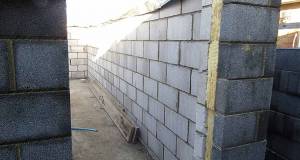
A detailed analysis of the embodied carbon of six common build types has indicated that dwellings built with business-as-usual build specs of cavity wall construction and strip foundations may be able to meet the revised embodied carbon targets for dwellings in RIBA’s 2030 Climate Challenge.
Ecological seminar tackles embodied carbon ‘blind spot’
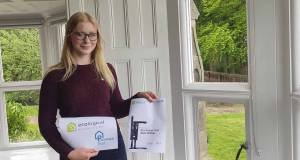
Ecological Building Systems recently hosted a series of thought-provoking presentations on the topic of going beyond NZEB and addressing the carbon blind spot of the construction industry: embodied carbon.
Munster Joinery publishes first Irish window EPD
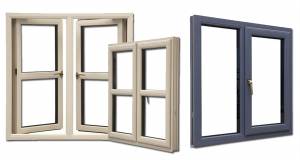
Munster Joinery has published the first environmental product declaration (EPD) for a window under the Irish EPD system.
New embodied carbon rules for large London projects